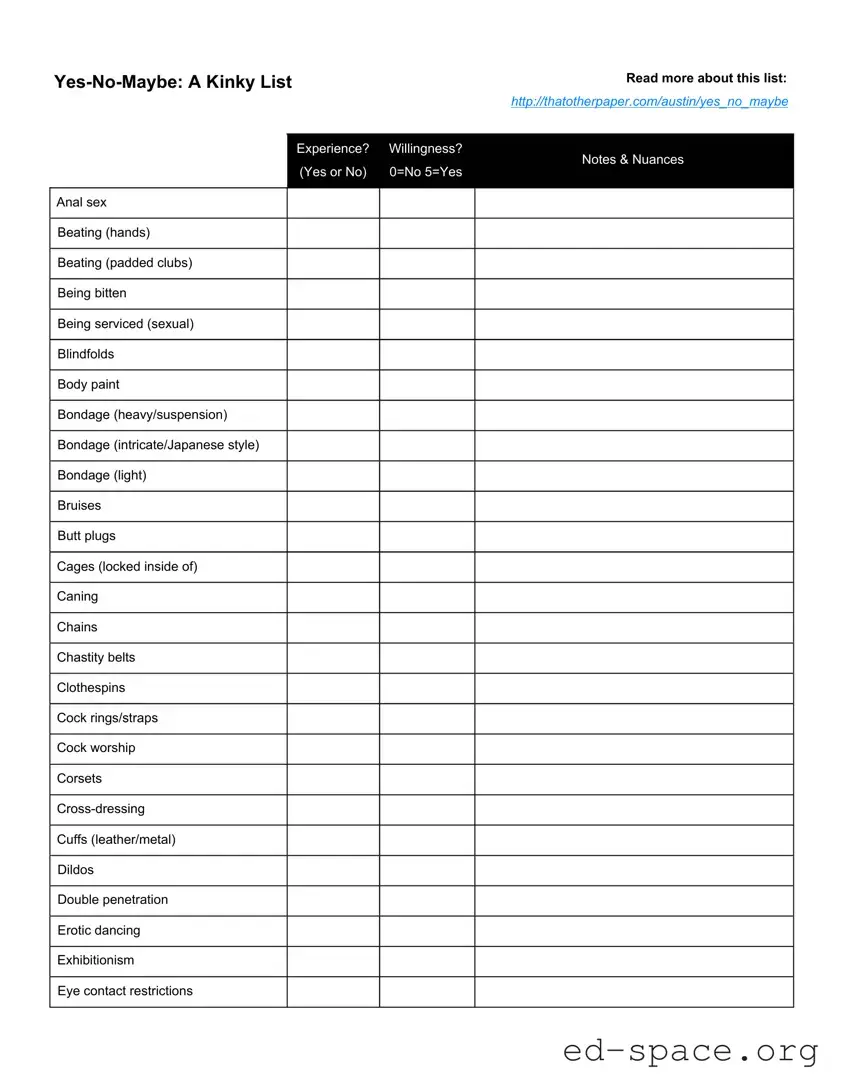
The Yes No Maybe List form is a valuable tool for individuals exploring their sexual preferences and boundaries. It provides a structured way to communicate desires and limits, ensuring that all parties involved have a clear understanding of each other's comfort levels. The form covers a wide range of activities, from anal sex and bondage to more nuanced experiences like foot worship and outdoor sex. Each item is rated on a scale from 0 to 5, allowing participants to express their willingness or experience level in a straightforward manner. This approach not only fosters open dialogue but also enhances safety and consent in intimate situations. By including space for notes and nuances, the form encourages users to elaborate on their preferences, making it a comprehensive guide for both seasoned practitioners and those new to exploring kink. With its focus on communication and consent, the Yes No Maybe List serves as a foundational tool for anyone looking to navigate the complexities of their sexual interests.
Read more about this list:
http://thatotherpaper.com/austin/yes_no_maybe
Experience? Willingness?
Notes & Nuances
(Yes or No) 0=No 5=Yes
Anal sex
Beating (hands)
Beating (padded clubs)
Being bitten
Being serviced (sexual)
Blindfolds
Body paint
Bondage (heavy/suspension)
Bondage (intricate/Japanese style)
Bondage (light)
Bruises
Butt plugs
Cages (locked inside of)
Caning
Chains
Chastity belts
Clothespins
Cock rings/straps
Cock worship
Corsets
Cuffs (leather/metal)
Dildos
Double penetration
Erotic dancing
Exhibitionism
Eye contact restrictions
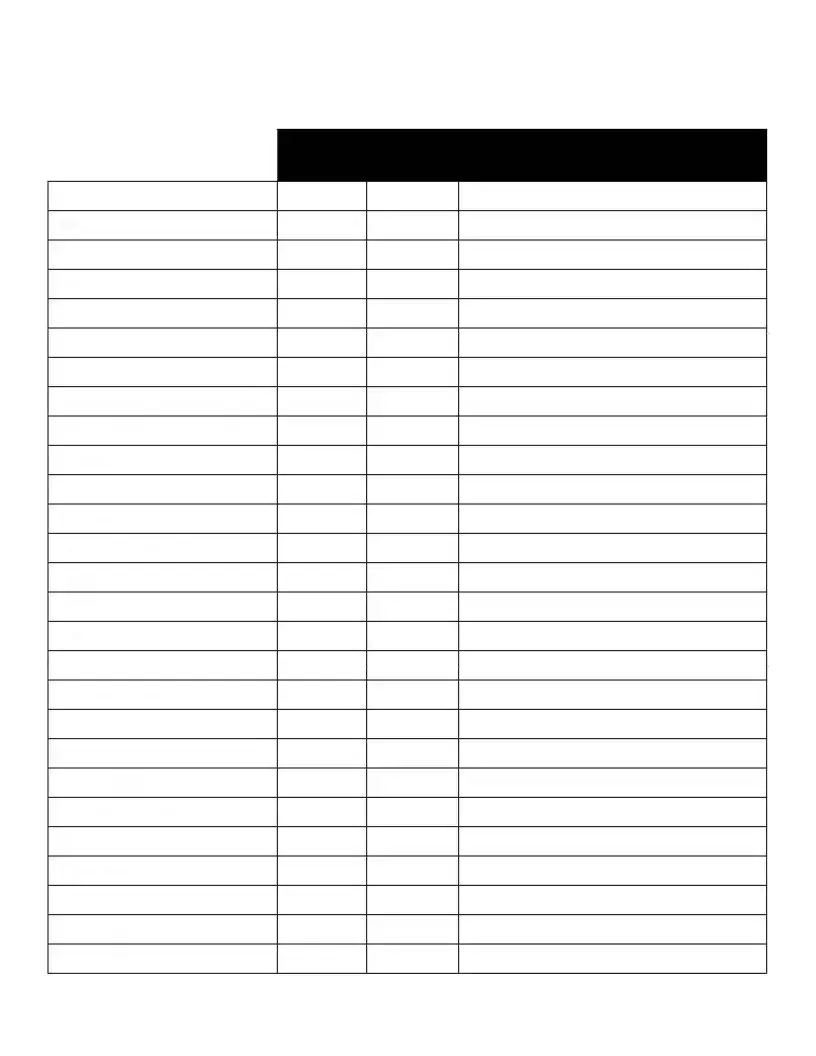
Experience? Willingness?
Notes & Nuances
(Yes or No) 0=No 5=Yes
Face slapping
Fisting
Flogging
Following orders
Food play (cucumbers, sorbet...)
Foot worship
Gags (cloth/tape)
Genital sex
Hair pulling
Hairbrush spankings
Hand jobs (giving)
Hand jobs (receiving)
Head (giving)
Head (receiving)
High heels
Hot waxing
Ice cubes
Kneeling
Leather clothing
Leather restraints
Lingerie (wearing)
Manacles & Irons
Manicures (giving)
Manicures (receiving)
Marks (giving)
Marks (receiving)
Massage (giving)
Massage (receiving)
Modeling for erotic photos
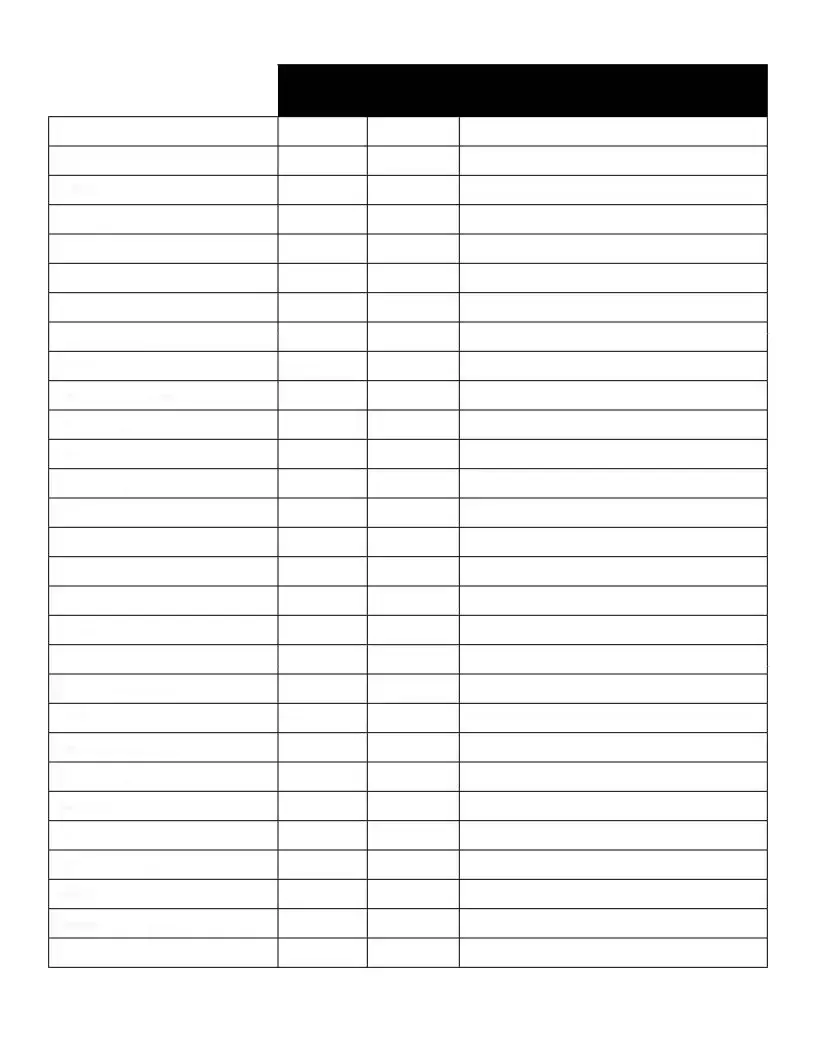
Experience? Willingness?
Notes & Nuances
(Yes or No) 0=No 5=Yes
Nipple play/"torture"
Oral/anal play (rimming)
Orgasm denial
Outdoor sex
Pain (mild to severe)
Phone sex
Pinching
Play Kidnapping
Punishment Scene
Pussy/cock whipping/spanking
Riding crops
Rubber/latex clothing
Saran wrapping
Scenes (prison, religious, etc.)
Scratching (giving)
Scratching (receiving)
Serving as a maid/butler
Shaving
Shoe/boot worship
Slutty clothing (private or public)
Spanking
Spreader bars
Standing in corner
Stocks
Swallowing semen
Swapping (with one other couple)
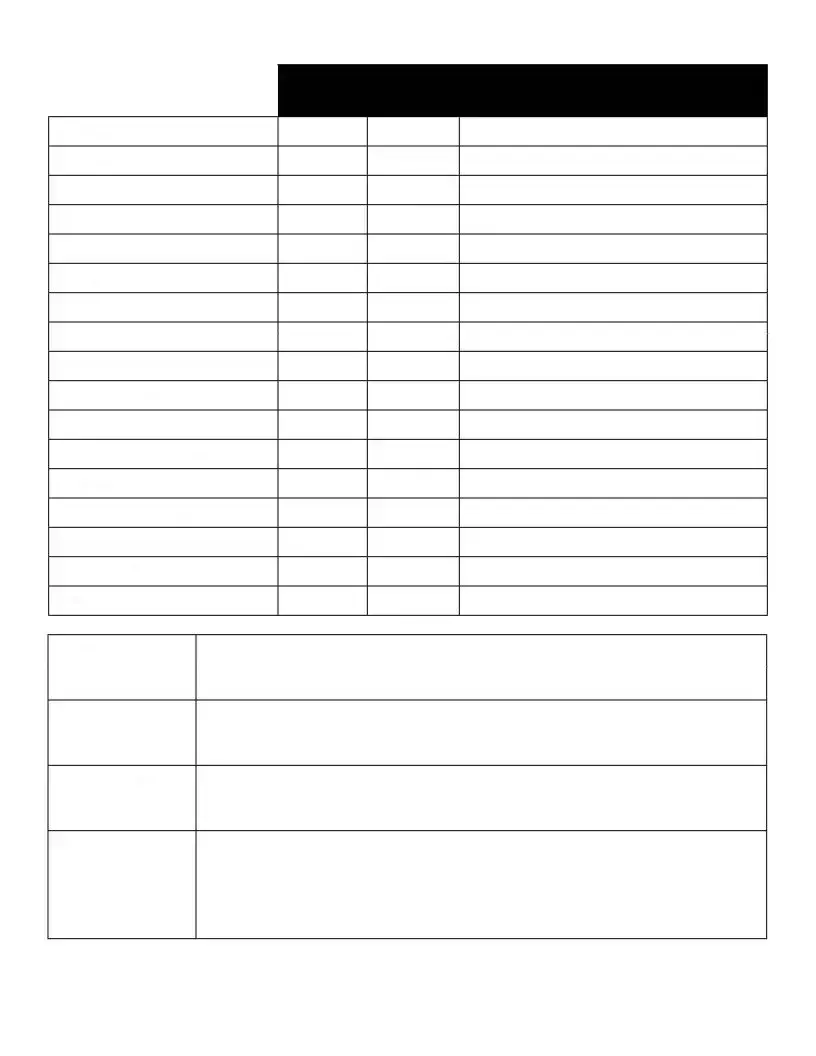
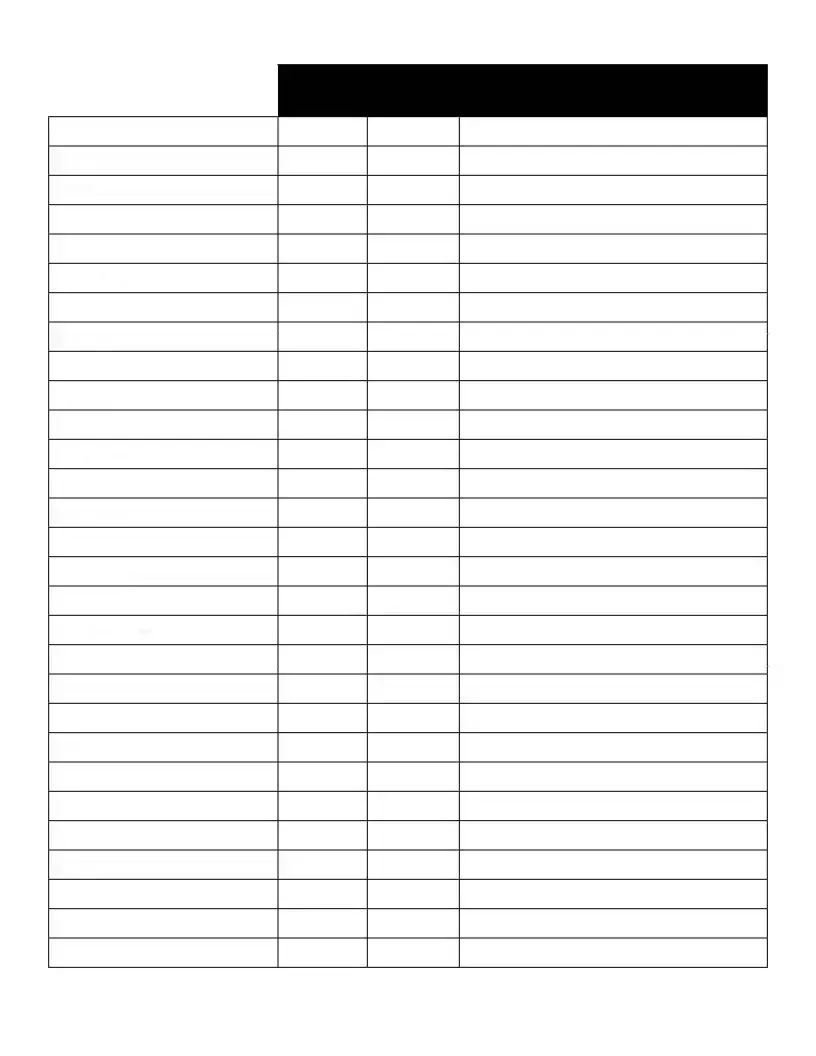
Experience? Willingness?
Notes & Nuances
(Yes or No) 0=No 5=Yes
Swinging (multiple couples)
Tattooing
Teasing
TENS Unit (electrical toy)
Thumbcuffs (metal)
Tickling
Triple Penetration
Uniforms
Vibrator on genitals
Video (recordings of you)
Video (watching others)
Violet Wand (electrical toy)
Voyeurism (watching others)
Wearing symbolic jewelry
Whips
Wooden paddles
Wrestling
Allergies
Medical conditions
Aftercare issues
Other fun stuff/ideas
| Fact Name | Description |
|---|---|
| Purpose | The Yes No Maybe List is designed to help individuals communicate their preferences and boundaries regarding various sexual activities. |
| Format | This form uses a simple rating system where participants can indicate their experience and willingness on a scale from 0 (No) to 5 (Yes). |
| Content Variety | The list includes a wide range of activities, from bondage to outdoor sex, catering to diverse interests and comfort levels. |
| Notes Section | Each activity has a dedicated notes section, allowing users to elaborate on their preferences or concerns. |
| Accessibility | The form is accessible online, making it easy for individuals to fill out and share their preferences discreetly. |
| State-Specific Forms | Some states may have specific guidelines governing consent and sexual activities, which can influence how the form is used. |
| Legal Considerations | Users should be aware of local laws regarding consent and sexual activities, as they can vary significantly by state. |
| Aftercare Importance | The form encourages discussions about aftercare, emphasizing the importance of emotional and physical support after engaging in activities. |
| Community Resource | This list serves as a resource for individuals exploring their sexuality, fostering open communication and mutual understanding. |
After completing the Yes No Maybe List form, you will have a clearer understanding of your preferences and boundaries. This information can help facilitate open communication and ensure a safe and enjoyable experience. Follow these steps to fill out the form effectively.
What is the Yes No Maybe List form?
The Yes No Maybe List form is a tool designed to help individuals communicate their preferences and boundaries regarding various sexual activities. It allows participants to express their willingness to engage in specific acts by rating them on a scale from 0 (No) to 5 (Yes). This ensures clear communication and mutual understanding in any intimate relationship.
How do I use the Yes No Maybe List?
To use the Yes No Maybe List, simply go through each item listed on the form. For each activity, indicate your level of experience and willingness by assigning a score from 0 to 5. You can also add notes or nuances to clarify your feelings about each activity. Once completed, share the list with your partner(s) to discuss your preferences and boundaries.
Can I add my own activities to the list?
Yes, you can certainly add your own activities to the Yes No Maybe List. Feel free to include any specific interests or preferences that may not be covered in the original list. This customization allows for a more personalized discussion about what you and your partner(s) are comfortable exploring.
What if my partner and I have different preferences?
It’s common for partners to have different preferences when it comes to sexual activities. Use the Yes No Maybe List as a starting point for an open and honest conversation. Discuss your ratings and try to understand each other's boundaries and desires. Finding common ground is key, and it’s important to respect each other's limits.
Is the Yes No Maybe List only for BDSM activities?
No, the Yes No Maybe List encompasses a wide range of sexual activities, not just BDSM. While it does include some BDSM-related items, it also covers various other aspects of sexual intimacy, such as oral sex, role-playing, and more. It can be used by anyone looking to communicate their desires and boundaries, regardless of their interests.
How can I ensure my partner feels safe while using the list?
Creating a safe environment is crucial when discussing intimate preferences. Approach the conversation with sensitivity and openness. Reassure your partner that their feelings and boundaries are valid and respected. Encourage them to express any discomfort or concerns they may have, and be prepared to adjust your expectations based on their feedback.
What should I do if I want to try something my partner is not comfortable with?
If your partner is not comfortable with a specific activity, it's essential to respect their boundaries. Instead of pushing for that experience, consider exploring other activities that both of you are enthusiastic about. Communication is key; discuss why you are interested in that particular activity and see if there’s a way to approach it that feels safer for them.
Can I revisit the Yes No Maybe List over time?
Absolutely! Preferences and boundaries can change over time. It’s a good idea to revisit the Yes No Maybe List periodically, especially after significant experiences or changes in your relationship. This ensures that both partners remain aligned in their desires and comfort levels, fostering a healthy and respectful dynamic.
What if I have allergies or medical conditions that affect my preferences?
If you have allergies or medical conditions, it’s important to communicate these factors when using the Yes No Maybe List. Be sure to note any specific concerns next to the relevant activities. This will help your partner(s) understand your limitations and ensure that all experiences are safe and enjoyable for everyone involved.
Filling out the Yes No Maybe List form can be an enlightening experience, but it’s important to approach it thoughtfully. Here are some common mistakes that individuals might make while completing this form:
By avoiding these common pitfalls, individuals can create a more meaningful and safe dialogue about their preferences and boundaries. Engaging with the process thoughtfully enhances the overall experience for everyone involved.
When engaging in activities related to the Yes No Maybe List form, several other documents may enhance communication and clarify expectations. Each of these forms serves a unique purpose, ensuring that all parties involved are on the same page and that consent is prioritized. Here’s a brief overview of some commonly used forms alongside the Yes No Maybe List.
Utilizing these documents alongside the Yes No Maybe List can create a safer and more enjoyable environment for all involved. Clear communication and mutual respect are essential for fostering trust and enhancing experiences.
When filling out the Yes No Maybe List form, it's essential to approach the task thoughtfully. This list is a personal exploration of preferences, so taking your time can lead to a more meaningful experience. Here are five things you should and shouldn't do:
By keeping these tips in mind, you can navigate the Yes No Maybe List form with confidence and clarity. Remember, this is about your desires and comfort, so prioritize what feels right for you.
Understanding the Yes No Maybe List form can help individuals navigate their desires and boundaries in a safe and consensual manner. However, several misconceptions often arise regarding this tool. Below are some common misunderstandings, along with clarifications.
By addressing these misconceptions, individuals can approach the Yes No Maybe List with a clearer understanding and greater confidence, enhancing their experiences in consensual and enjoyable ways.
Filling out the Yes No Maybe List form can be an enlightening experience for individuals exploring their preferences and boundaries. Here are some key takeaways to consider: