The Texas Kincare Primer form serves as a vital resource for families navigating the complexities of kincare, where relatives step in to care for children who cannot live with their parents. This form outlines essential information for kincare families, including definitions, legal resources, and public benefits available at both state and federal levels. It provides guidance on various documents that may be necessary when seeking services, such as Power of Attorney and consent forms for medical treatment. Additionally, the primer addresses challenges faced by the “sandwich generation,” those caring for both children and aging parents. It highlights the importance of self-care for caregivers and offers resources specific to major Texas cities like Houston and Dallas. The primer also sheds light on the prevalence of kincare in Texas, estimating that over 600,000 children are raised by relatives each year, often without the involvement of child protective services. By consolidating this information, the Texas Kincare Primer aims to empower families and ensure they have the tools needed to support their loved ones effectively.

| Fact Name | Fact Description |
|---|---|
| Governing Body | The Texas Kincare Primer is developed by the Texas Legal Services Center and the Texas Department of Aging and Disability Services. |
| Purpose | This Primer serves to provide information and resources for families involved in kincare. |
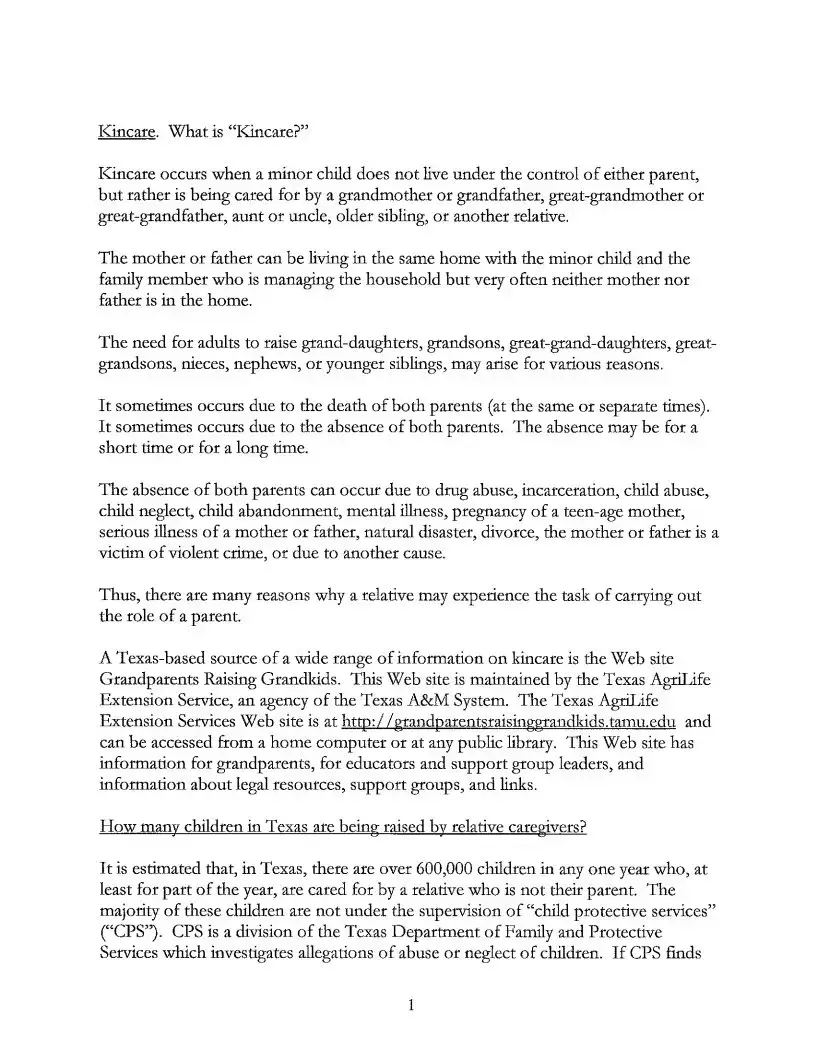
| Kincare Definition | Kincare refers to situations where a minor child is cared for by a relative rather than their parents. |
| Statistics | Over 600,000 children in Texas are raised by relatives, at least for part of the year. |
| CPS Involvement | The majority of these children are not under the supervision of Child Protective Services (CPS). |
| Reasons for Kincare | Kincare may arise due to various reasons including parental absence, death, or other circumstances affecting the parents. |
| Resource Availability | The Primer provides access to legal resources and public benefits available for kincare families. |
| Legal Framework | The Primer is guided by Texas laws related to family and public assistance. |
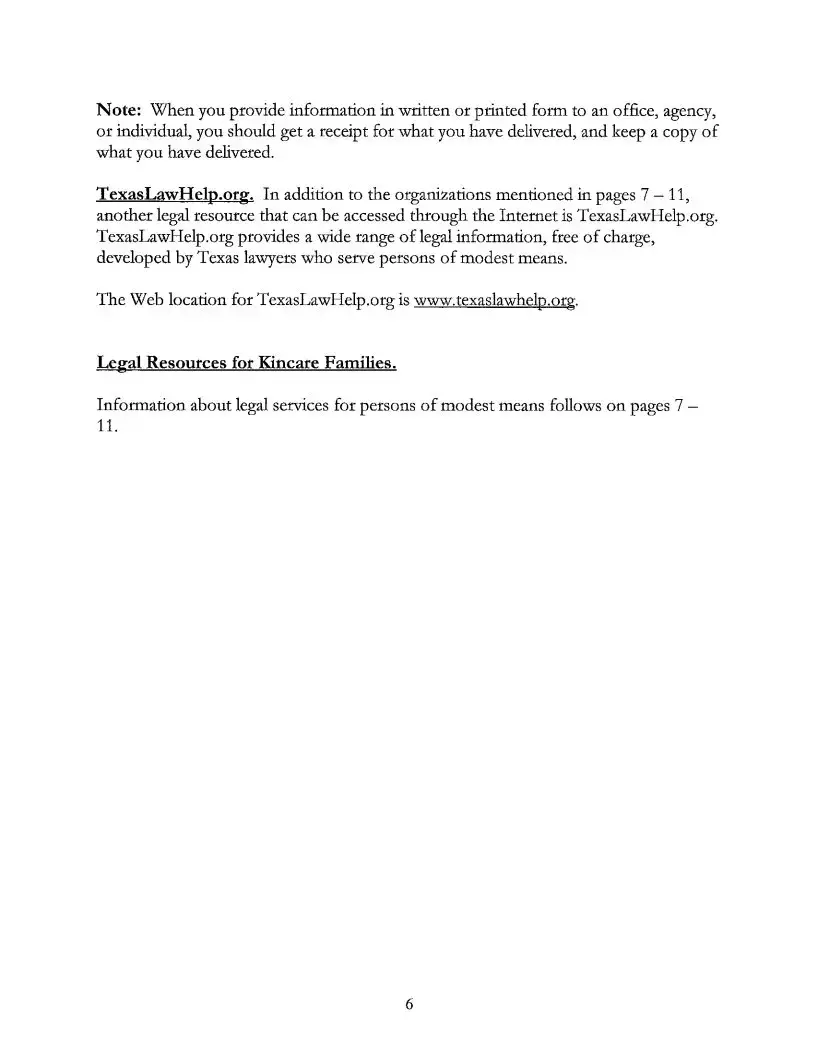
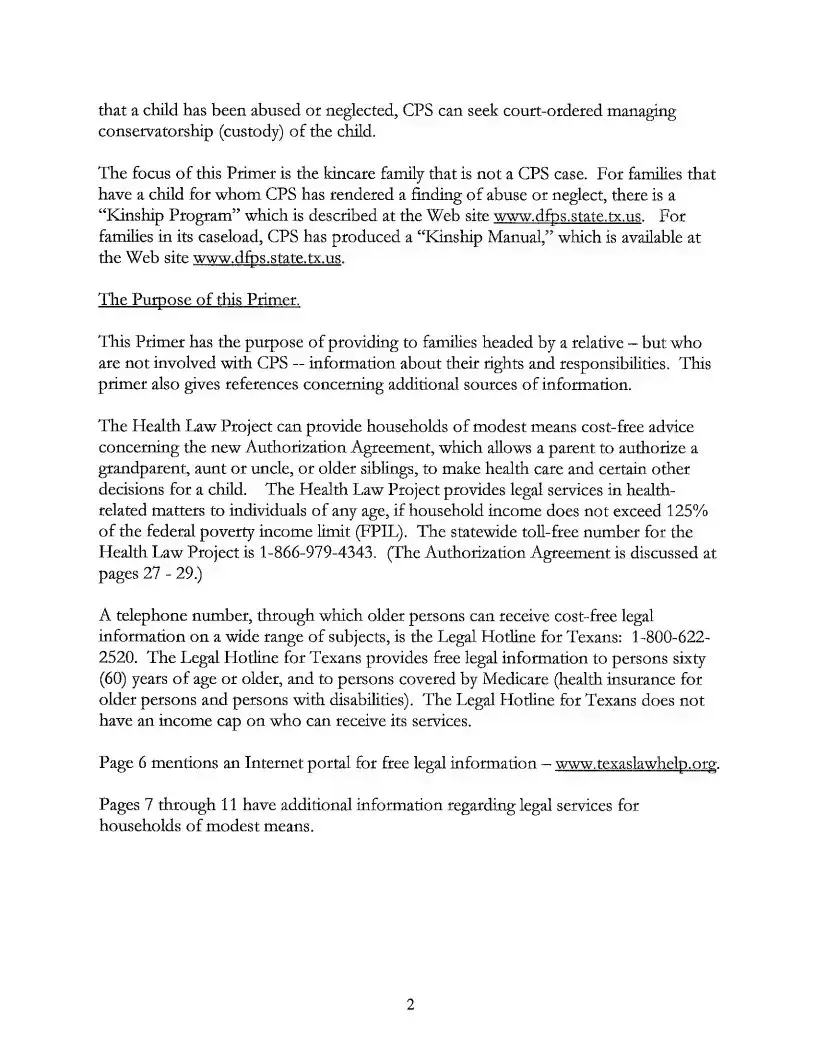
| Support Networks | Websites like Grandparents Raising Grandkids offer additional support and information for kincare families in Texas. |
Filling out the Texas Kincare Primer form is an important step for relatives who are stepping into caregiving roles. This form helps ensure that you have access to necessary resources and support. Below are the steps to guide you through the process of completing the form effectively.
After submitting the form, you may expect to receive additional information or resources tailored to your situation. This could include access to support groups, legal resources, or assistance with public benefits. Stay engaged with the process, as it can lead to valuable help for both you and the child in your care.
What is the Texas Kincare Primer form?
The Texas Kincare Primer is a resource designed to assist relatives who are caring for children. It provides information on the legal, financial, and emotional aspects of kincare, which refers to the care of minor children by relatives other than their parents. The Primer aims to help caregivers navigate the challenges they may face while raising these children.
Who can benefit from the Texas Kincare Primer?
This Primer is beneficial for any relative caregiver, including grandparents, aunts, uncles, older siblings, and other family members. If you are responsible for a child who is not your own, this resource can provide guidance on legal rights, public benefits, and support services available to you.
What types of documents might I need when seeking services?
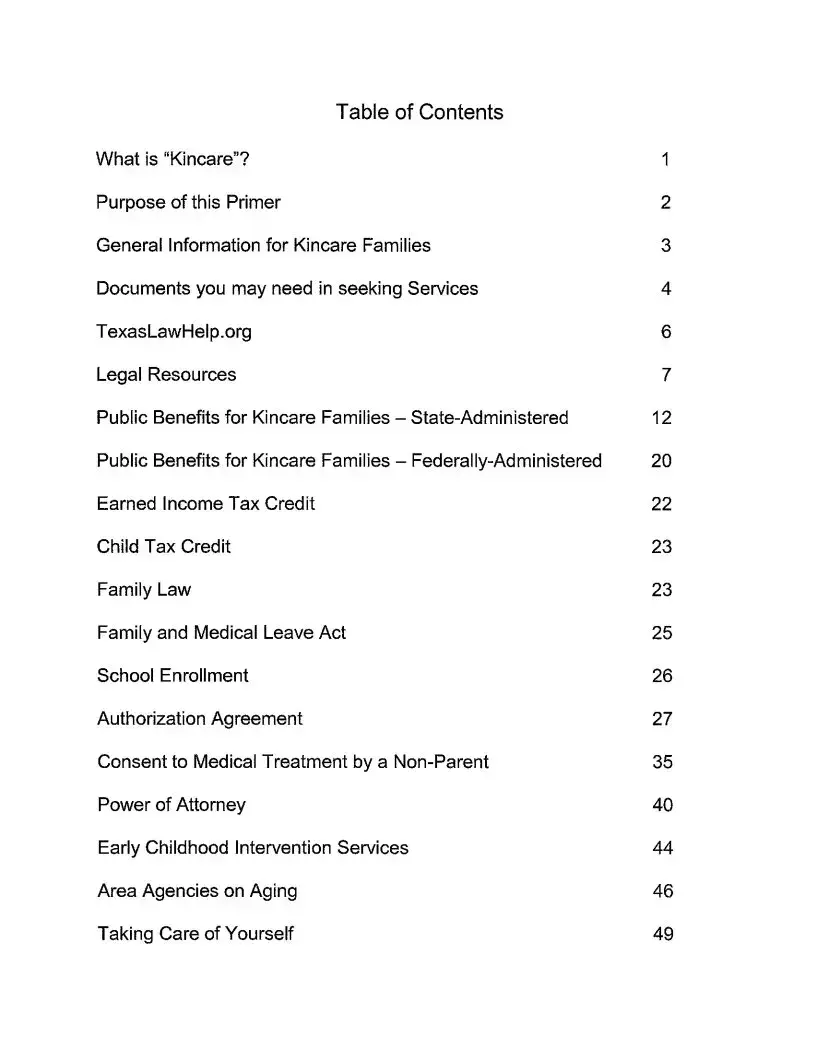
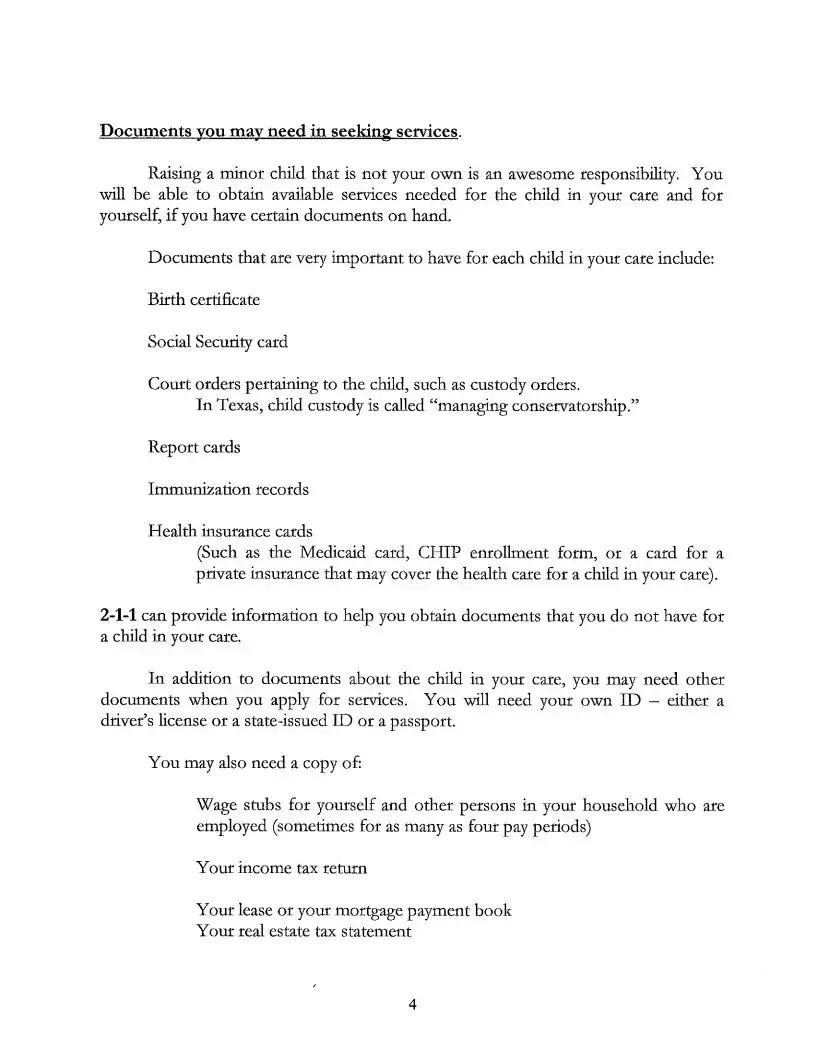
The Primer outlines various documents that may be necessary, such as proof of relationship to the child, identification, and any court orders that may pertain to custody or guardianship. Having these documents ready can streamline the process of accessing services and benefits.
What public benefits are available for kincare families?
Kincare families in Texas may qualify for various public benefits, both state-administered and federally-administered. These can include financial assistance, healthcare programs, and educational resources. The Primer provides detailed information on how to apply for these benefits and what eligibility criteria may apply.
How does the Kincare Primer address legal issues?
The Primer discusses several legal topics relevant to kincare, including custody arrangements, power of attorney, and consent for medical treatment. It aims to equip caregivers with the knowledge needed to make informed decisions and protect their rights as caregivers.
Can I receive support if I am facing challenges as a caregiver?
Yes, the Texas Kincare Primer emphasizes the importance of self-care and offers resources for caregivers. It includes information on support groups, counseling services, and community resources that can help you manage the emotional and physical demands of caregiving.
What is the significance of the term "Sandwich Generation" in the context of kincare?
The term "Sandwich Generation" refers to individuals who are simultaneously caring for their own children and their aging parents or relatives. The Kincare Primer provides insights into the unique challenges faced by these caregivers and offers strategies to balance their responsibilities effectively.
Where can I find additional resources related to kincare in Texas?
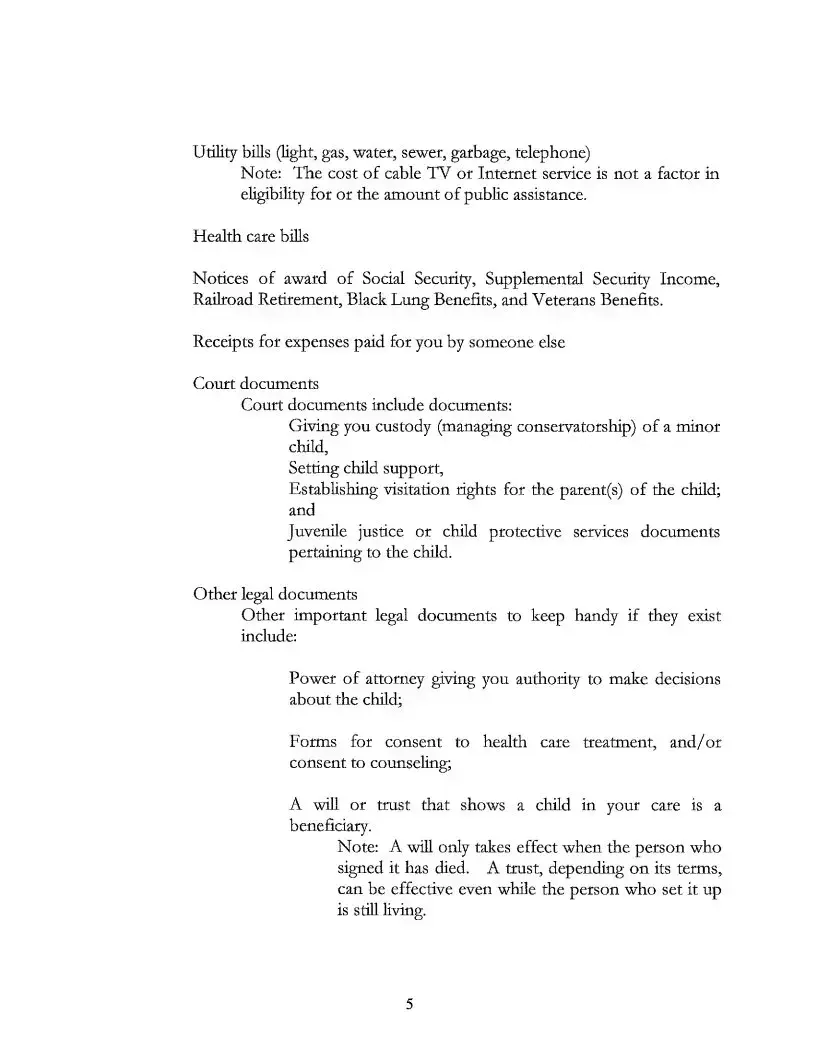
The Primer provides links to various resources, including the Grandparents Raising Grandkids website, which offers comprehensive information for caregivers. Additionally, local area agencies on aging and community organizations can provide further assistance and support.
Is there a specific age range for children who are covered under kincare?
The kincare concept applies to minor children, typically defined as individuals under the age of 18. However, the specific age range can vary depending on the legal context and the services being accessed. The Primer provides guidance on how age may affect eligibility for certain programs and benefits.
How can I access the Texas Kincare Primer?
The Texas Kincare Primer can usually be accessed online through the Texas Legal Services Center or the Texas Department of Aging and Disability Services. It may also be available in print at local community centers, libraries, or through organizations that support relative caregivers.
Incomplete Information: Many individuals fail to provide all required information on the form. Omitting essential details can delay processing or lead to rejection.
Incorrect Signatures: Some people neglect to sign the form or use an incorrect signature. This can invalidate the form and necessitate resubmission.
Failure to Attach Required Documents: Applicants often forget to include necessary supporting documents. Missing documents can result in a denial of services.
Misunderstanding Terms: Some users misinterpret key terms or sections of the form. This misunderstanding can lead to incorrect information being provided.
The Texas Kincare Primer form is a vital resource for families navigating the complexities of kincare. It provides essential information and guidance for relatives stepping into caregiving roles. Along with this primer, several other documents can help in managing the legal and practical aspects of kincare. Here’s a brief overview of these documents.
Understanding these documents can significantly ease the challenges faced by kincare families. They provide the legal backing and resources necessary to ensure the well-being of the child in a relative's care. Familiarizing yourself with these forms can help create a smoother transition into your caregiving role.
The Texas Kincare Primer form serves as a vital resource for relatives caring for children. Its purpose is to guide caregivers through the complexities of legal and practical considerations. Similar documents exist, each serving a unique but related function. Here are five documents that share similarities with the Texas Kincare Primer:
Filling out the Texas Kincare Primer form can be a vital step in securing the necessary support for children being cared for by relatives. To ensure a smooth process, here are ten important dos and don’ts to keep in mind:
By following these guidelines, you can help ensure that your experience with the Texas Kincare Primer form is as efficient and beneficial as possible.
Misconceptions about the Texas Kincare Primer form can lead to confusion for families navigating this important resource. Here are nine common misunderstandings, along with clarifications to help set the record straight.
Understanding these misconceptions can empower relative caregivers to utilize the Texas Kincare Primer effectively, ensuring that they access the necessary support and resources for the children in their care.
Filling out and utilizing the Texas Kincare Primer form can significantly aid those who are caring for children in a kincare arrangement. Here are some essential takeaways to consider:
By understanding these key aspects, kincare families can better equip themselves to manage their responsibilities and access the support they need.