The Tax Exempt Ohio form, known as the Sales and Use Tax Blanket Exemption Certificate, is an essential tool for businesses and individuals looking to make tax-exempt purchases. This form allows the purchaser to claim exemption on all purchases of tangible personal property and selected services from a specified vendor. To utilize this certificate, the purchaser must provide a valid reason for claiming the exemption, which is based on their intended use of the items or services. Essential details such as the purchaser's name, type of business, and address must be included, along with the vendor's name and license number, if applicable. The form also requires a signature, title, and date to validate the claim. However, it is important to note that this certificate cannot be used by construction contractors for purchasing materials that will be incorporated into real property under an exempt construction contract. Instead, they must adhere to specific rules outlined in the Administrative Code. Vendors of motor vehicles, titled watercraft, and titled outboard motors can use this form under the resale exception, making it a versatile document for various purchasing scenarios.
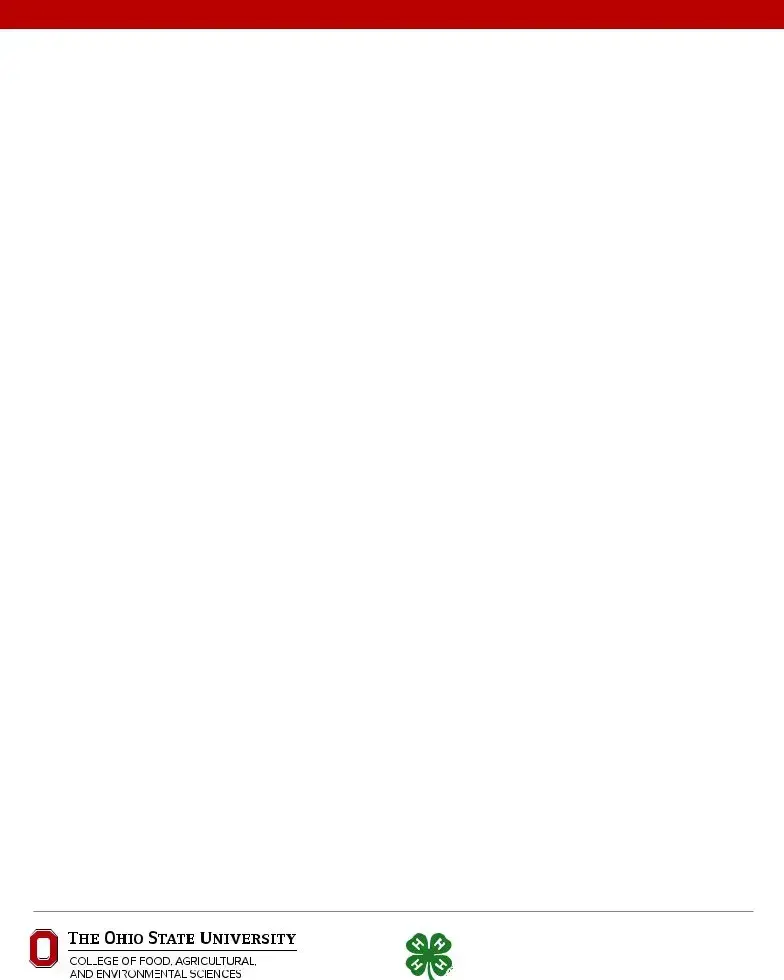
OHIO STATE UNIVERSITY EXTENSION
STATE OF OHIO
DEPARTMENT OF TAXATION
SALES AND USE TAX
BLANKET EXEMPTION CERTIFICATE
Ohio
This exemption only applies to the
Complete the form as follows:
•Vendor’s name - the business you are purchasing from
•Valid Reason – Revised Code of Ohio, Section 5739.02 (B)(9) To conduct Ohio
•Purchaser’s name – The authorized Ohio
•Address – Of club/affiliate
•Signature – Advisor or authorized individual
•Vendor License – leave blank. The club/affiliate is not a vendor.
Revised 3/12/2015
ohio4h.org
CFAES provides research and related educational programs to clientele on a nondiscriminatory basis. For more information: go.osu.edu/cfaesdiversity.
STEC B
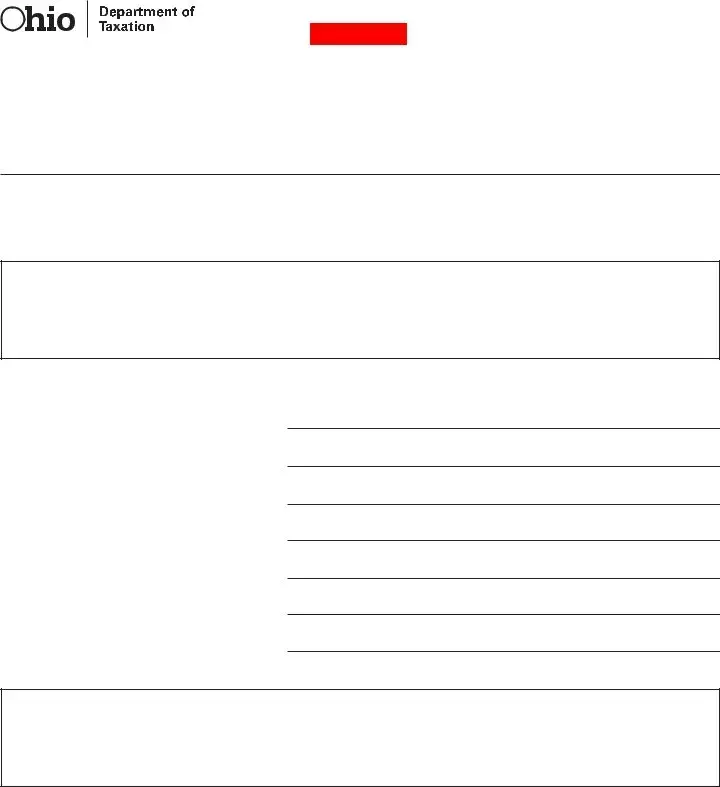
Rev. 3/15
Reset Form
tax.ohio.gov
Sales and Use Tax
Blanket Exemption Certificate
The purchaser hereby claims exception or exemption on all purchases of tangible personal property and selected services made under this certificate from:
(Vendor’s name)
and certifies that the claim is based upon the purchaser’s proposed use of the items or services, the activity of the purchase, or both, as shown hereon:
ASD
Purchaser must state a valid reason for claiming exception or exemption.
D
Purchaser’s name
ASD
Purchaser’s type of business
ASDSAD
Street address
City, state, ZIP code
Signature |
Title |
Date signed
ASD
Vendor’s license number, if any
Vendors of motor vehicles, titled watercraft and titled outboard motors may use this certificate to purchase these items under the “resale” exception. Otherwise, purchaser must comply with either rule
| Fact Name | Description |
|---|---|
| Form Title | The form is officially known as the Sales and Use Tax Blanket Exemption Certificate (STEC B Rev. 3/15). |
| Purpose | This certificate allows purchasers to claim exemption on all purchases of tangible personal property and selected services from a specified vendor. |
| Governing Laws | The use of this certificate is governed by Ohio Administrative Code rules 5703-9-10, 5703-9-25, and 5703-9-14. |
| Restrictions | Construction contractors cannot use this certificate for purchasing materials that will be incorporated into real property under exempt construction contracts. |
| Vendor Usage | Vendors of motor vehicles, titled watercraft, and titled outboard motors may utilize this certificate under the “resale” exception. |
Filling out the Tax Exempt Ohio form is straightforward, but attention to detail is essential. After completing the form, you'll be able to present it to vendors, allowing you to make tax-exempt purchases based on your stated qualifications. Here’s how to fill it out step by step.
After completing these steps, keep a copy for your records. Present the signed form to your vendors to ensure your purchases are processed as tax-exempt. Always remember to check the specific rules and regulations that may apply to your situation.
What is the purpose of the Tax Exempt Ohio form?
The Tax Exempt Ohio form, also known as the Sales and Use Tax Blanket Exemption Certificate, allows purchasers to claim exemption from sales tax on certain purchases. This certificate is used for tangible personal property and selected services when the purchaser intends to use the items or services in a manner that qualifies for exemption. It is essential for the purchaser to provide a valid reason for the exemption based on their proposed use or the nature of the purchase.
Who can use the Tax Exempt Ohio form?
What information is required on the Tax Exempt Ohio form?
To complete the Tax Exempt Ohio form, purchasers must provide several key pieces of information. This includes the purchaser's name, type of business, and address. Additionally, the form requires the vendor’s name, the reason for claiming the exemption, and the signature of the purchaser, along with their title and the date signed. If applicable, the vendor’s license number should also be included. Accurate completion of this information is crucial for the validity of the exemption claim.
Are there any restrictions on using the Tax Exempt Ohio form?
Yes, there are specific restrictions associated with the use of the Tax Exempt Ohio form. For instance, construction contractors cannot use this certificate to purchase materials for incorporation into real property under an exempt construction contract. They must comply with the relevant rules in the Administrative Code. Additionally, the form should not be used for purchases that do not meet the criteria for exemption, as improper use may lead to penalties or tax liabilities.
Failing to provide a valid reason for claiming exemption. The form requires a clear explanation of the purpose behind the exemption.
Not including the purchaser's name. Ensure that the name of the individual or business claiming the exemption is clearly stated.
Leaving out the type of business. This information is essential to validate the exemption claim.
Incorrectly filling out the address. Double-check the street address, city, state, and ZIP code for accuracy.
Neglecting to sign the form. A signature is mandatory to authenticate the exemption claim.
Not providing the vendor's license number, if applicable. This number is important for certain transactions.
Using the form for ineligible purchases. Construction contractors cannot use this certificate for materials incorporated into real property.
When utilizing the Tax Exempt Ohio form, several other documents may be necessary to support your exemption claim. Each of these forms serves a specific purpose in ensuring compliance with state regulations. Understanding their roles can help streamline the process and avoid potential issues.
By gathering these documents alongside the Tax Exempt Ohio form, you can better navigate the complexities of tax exemptions. It is advisable to review each document carefully to ensure compliance and avoid any potential penalties.
The Tax Exempt Ohio form, specifically the Sales and Use Tax Blanket Exemption Certificate, shares similarities with several other documents related to tax exemption. Below is a list detailing these documents and their respective similarities:
When filling out the Tax Exempt Ohio form, it’s essential to follow specific guidelines to ensure a smooth process. Here’s a list of things you should and shouldn’t do:
By adhering to these guidelines, you can help ensure that your tax exemption claim is processed without issues. Always double-check your entries before submission to avoid unnecessary complications.
Understanding the Tax Exempt Ohio form can be challenging due to various misconceptions. Here are eight common misunderstandings:
Being aware of these misconceptions can help ensure proper use of the Tax Exempt Ohio form and compliance with tax regulations.
When filling out the Tax Exempt Ohio form, it is crucial to understand the requirements and implications of the exemption certificate. Here are some key takeaways:
Understanding these key points can help ensure that you properly utilize the Tax Exempt Ohio form and avoid potential issues with your exemption claims.