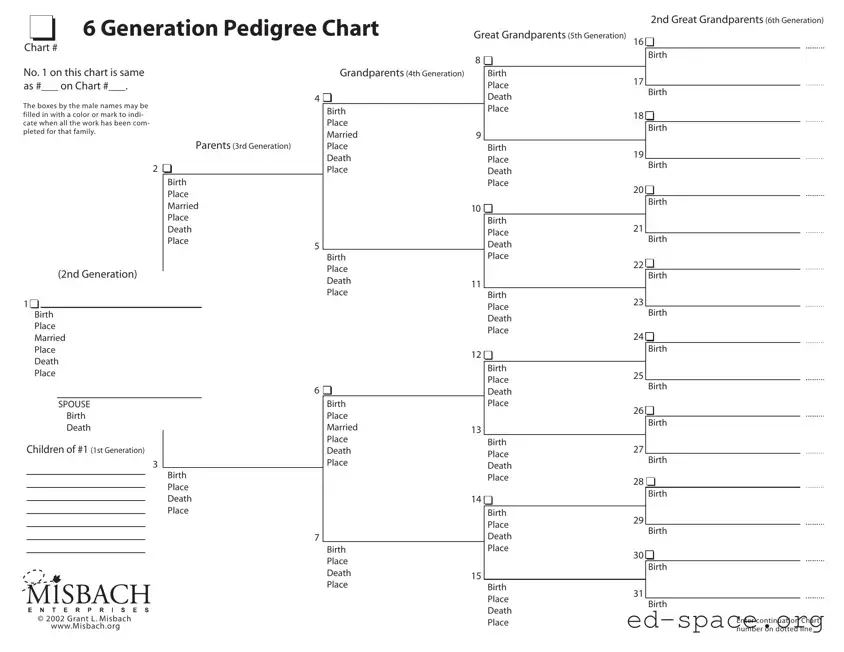
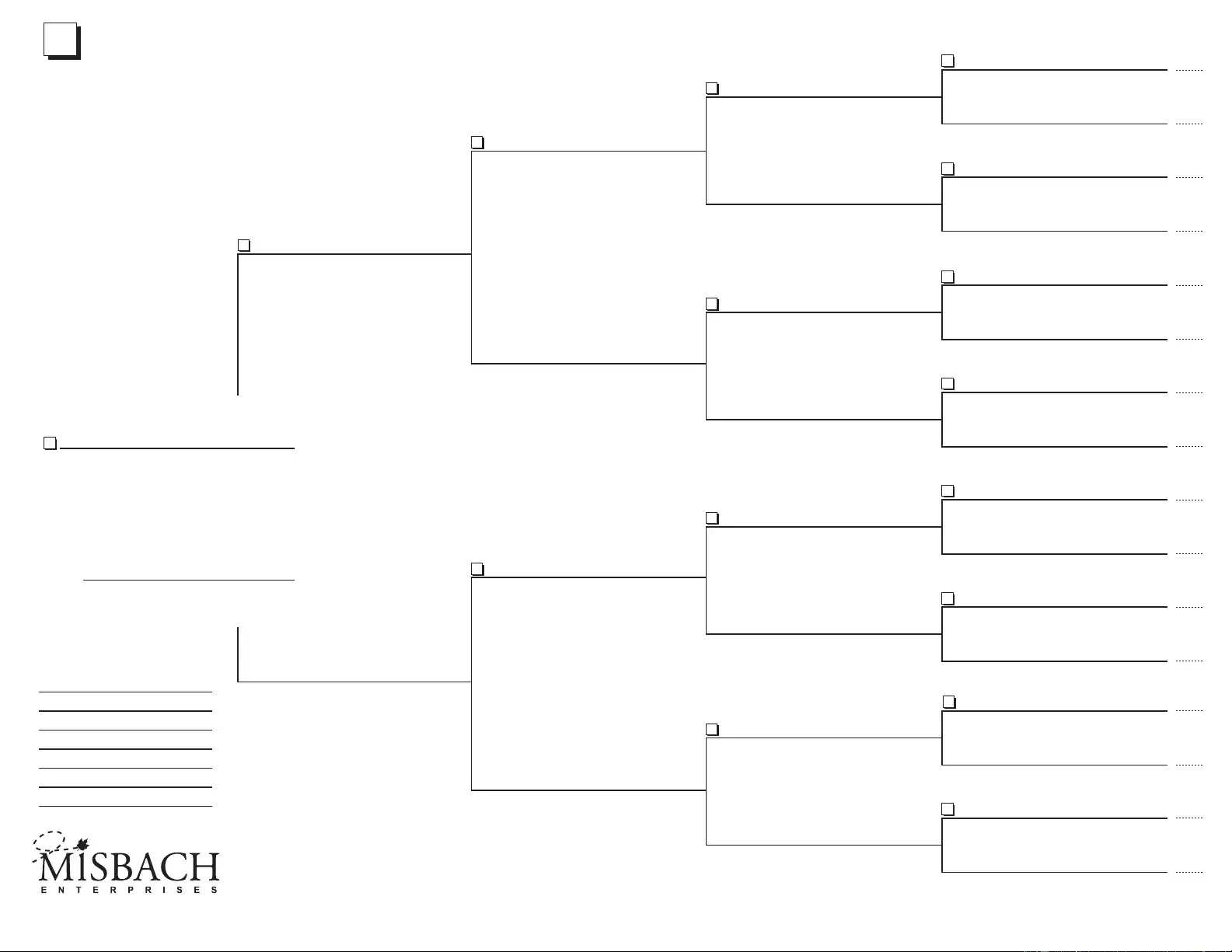
Understanding family history and genetic connections can be both fascinating and essential for various reasons, from health awareness to genealogy research. The Pedigree Chart form serves as a vital tool in mapping out these relationships, allowing individuals to visualize their ancestry and hereditary traits. This chart typically displays multiple generations, illustrating how family members are interconnected through lines that represent relationships such as marriages and parentage. Each individual on the chart is usually represented by a symbol, with males often depicted as squares and females as circles, making it easier to trace lineage at a glance. Additionally, the Pedigree Chart form often includes spaces for important details, such as birth dates, death dates, and any known medical conditions, providing a comprehensive overview of familial health history. By utilizing this form, families can gain valuable insights into their genetic backgrounds, which can be particularly useful for understanding inherited conditions or preparing for future health decisions.
| Fact Name | Description |
|---|---|
| Purpose | A Pedigree Chart is used to display family relationships and lineage, often for medical or genetic purposes. |
| Format | The chart typically includes symbols to represent males, females, and relationships, making it easy to visualize family connections. |
| State-Specific Forms | Some states may have specific requirements for Pedigree Charts, particularly in legal contexts, such as inheritance or estate planning. |
| Governing Laws | Each state may have different laws governing the use of Pedigree Charts, often found in family law or estate law statutes. |
| Confidentiality | Information on a Pedigree Chart may be sensitive, and privacy considerations should be taken into account when sharing it. |
| Updates | It is important to keep the Pedigree Chart updated as family dynamics change, such as births, deaths, and marriages. |
Filling out the Pedigree Chart form requires careful attention to detail. This form will help you document your family history and relationships. Follow the steps below to ensure accurate completion.
After filling out the form, you may want to make copies for your records or share it with family members for further input. This can help in gathering additional information or confirming existing details.
What is a Pedigree Chart form?
A Pedigree Chart form is a visual representation of an individual's family tree, showcasing the relationships between family members across generations. It helps in tracking hereditary traits, genetic disorders, and lineage, making it an essential tool for genetic counseling and genealogical research.
Why would I need to fill out a Pedigree Chart form?
Completing a Pedigree Chart form can provide valuable insights into your family's health history. It can reveal patterns of inherited conditions, helping you and your healthcare provider make informed decisions about your health and any necessary screenings or preventive measures.
How do I start filling out the Pedigree Chart form?
Begin by entering your personal information at the top of the form. Next, work backward through your family tree, including your parents, grandparents, and so on. Don’t forget to note any significant health issues or traits that may be relevant to your family's history.
What information should I include in the Pedigree Chart?
Include the names, birthdates, and death dates of each family member. Additionally, document any known medical conditions, relationships (such as marriages and divorces), and the gender of each individual. This information creates a comprehensive picture of your family's health history.
Can I use the Pedigree Chart for adoption cases?
Yes, the Pedigree Chart can be adapted for use in adoption cases. While you may not have access to biological family information, you can document the adoptive family’s health history. This can still provide useful insights into potential hereditary issues.
How detailed should my Pedigree Chart be?
The level of detail can vary based on your purpose. For personal use, a simple chart covering immediate family may suffice. However, for genetic counseling or medical purposes, a more detailed chart that includes extended family and health conditions is recommended.
Is there a specific format I should follow when completing the form?
While there is no strict format, it is best to follow a standard layout that clearly indicates relationships. Typically, males are represented by squares and females by circles. Lines connecting them should indicate marriages and offspring, ensuring clarity in relationships.
What if I don’t know all the details about my family?
It’s perfectly okay to fill in what you know. Start with your immediate family and gradually expand. You can gather more information through conversations with relatives or by accessing public records. The goal is to create a foundation that you can build upon over time.
How can I use my completed Pedigree Chart?
Your completed Pedigree Chart can serve multiple purposes. It can be a valuable resource for healthcare providers, helping them understand your family’s medical history. Additionally, it can be a starting point for further genealogical research or even a meaningful keepsake for future generations.
Where can I find resources to help me fill out the Pedigree Chart?
Numerous online resources, including templates and guides, are available to assist you in completing your Pedigree Chart. Websites dedicated to genealogy often offer tools and tips for gathering family information. Local libraries or genealogical societies can also provide valuable assistance.
Not including all relevant family members. It's important to list every individual who may contribute to the family history.
Using incorrect names or spellings. Accurate names are crucial for maintaining clarity and avoiding confusion.
Failing to provide complete dates of birth and death. Missing dates can lead to gaps in the family history.
Neglecting to indicate relationships clearly. Each person's relationship to the main individual should be explicitly stated.
Overlooking the inclusion of medical history. This information can be vital for understanding hereditary conditions.
Not verifying information with reliable sources. It’s essential to confirm details with family members or documents.
Using abbreviations or shorthand that may not be understood. Clarity is key; avoid any potential misunderstandings.
Submitting the form without reviewing it for errors. A final check can help catch mistakes before submission.
Ignoring the format requirements. Adhering to the specified format ensures the information is processed correctly.
The Pedigree Chart form is an essential tool in genealogical research, helping individuals trace their ancestry and understand family relationships. Alongside this form, several other documents can provide valuable information and context about family history. Below is a list of commonly used forms and documents that complement the Pedigree Chart.
Utilizing these documents in conjunction with the Pedigree Chart can significantly enhance the understanding of one’s family history. Each form serves a unique purpose, contributing layers of context and detail to the genealogical narrative.
The Pedigree Chart form serves as a valuable tool in various fields, particularly in genealogy and medical history. Below are six documents that share similarities with the Pedigree Chart form, along with a brief explanation of how they relate.
Filling out a Pedigree Chart form can be an essential step in understanding family history and genetics. Here are some important dos and don'ts to consider when completing this form.
By following these guidelines, you can create a comprehensive and useful Pedigree Chart that accurately reflects your family's history.
Understanding the Pedigree Chart form is essential for accurately tracing family histories and genetic traits. However, several misconceptions can lead to confusion. Here are four common misunderstandings:
By addressing these misconceptions, individuals can better appreciate the value of pedigree charts in understanding family and genetic relationships.
When working with the Pedigree Chart form, it is essential to approach the task with clarity and organization. Below are some key takeaways that can guide you through the process.
By keeping these points in mind, you can effectively use the Pedigree Chart form to document and analyze family health history.