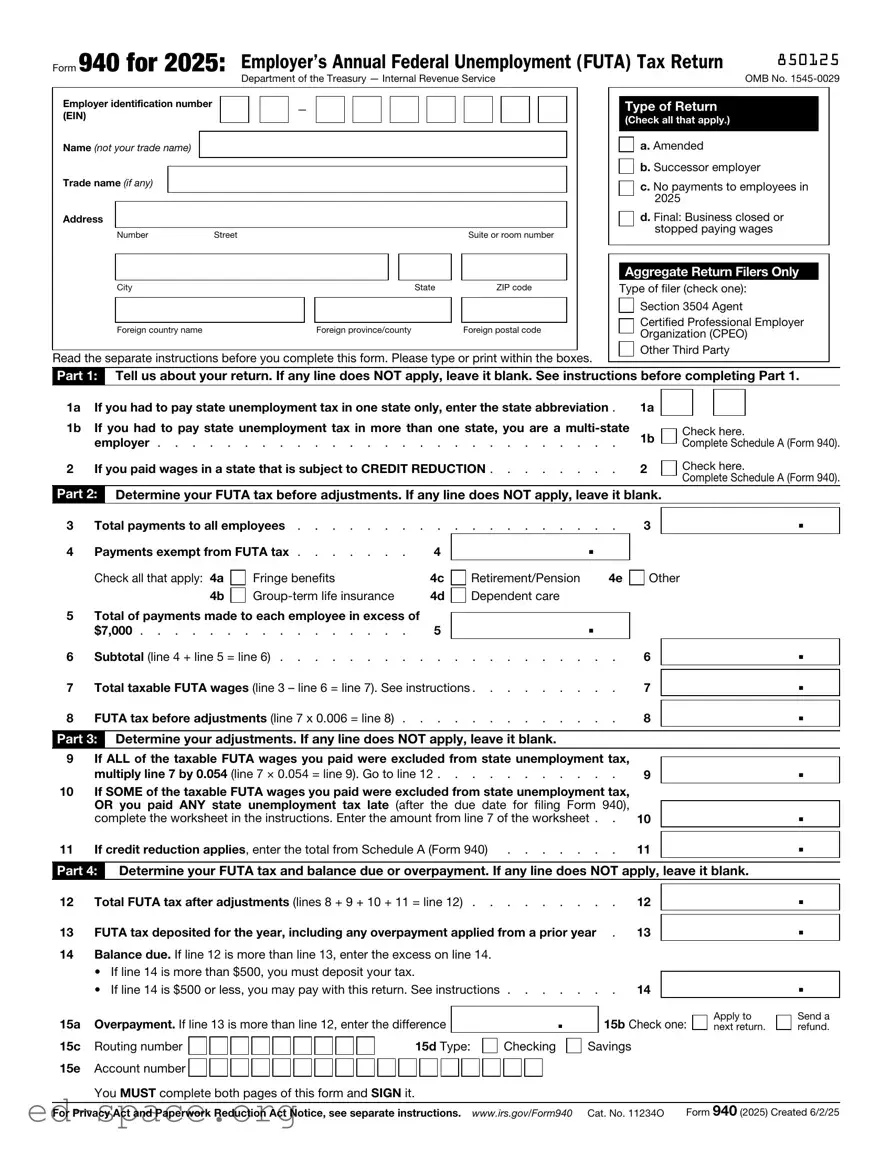
The IRS 940 form plays a crucial role in the realm of payroll taxes, specifically addressing the federal unemployment tax (FUTA). Employers use this form to report their annual FUTA tax liability, which funds unemployment compensation for workers who have lost their jobs. Each year, businesses must assess their payroll figures to determine the appropriate amount owed, considering the taxable wage base and the applicable tax rate. The form also requires employers to disclose any adjustments for state unemployment taxes, ensuring compliance with both federal and state regulations. Timely and accurate filing is essential, as failure to submit the form can result in penalties and interest on unpaid taxes. Understanding the intricacies of the IRS 940 form is vital for employers to navigate their responsibilities effectively and maintain compliance with tax obligations.
Form 940 for 2025: Employer’s Annual Federal Unemployment (FUTA) Tax Return |
850125 |
|
|
Department of the Treasury — Internal Revenue Service |
OMB No. |
Employer identification number |
|
|
|
— |
|
|
|
|
|
|
|
|
|
|
|
|
|
|||
(EIN) |
|
|
|
|
|
|
|
|
|
|
|
|
|
|
|
|
||||
|
|
|
|
|
|
|
|
|
|
|
|
|
|
|
|
|
||||
|
|
|
|
|
|
|
|
|
|
|
|
|
|
|
|
|
|
|
|
|
Name (not your trade name) |
|
|
|
|
|
|
|
|
|
|
|
|
|
|
|
|
|
|
||
|
|
|
|
|
|
|
|
|
|
|
|
|
|
|
|
|
|
|
|
|
|
|
|
|
|
|
|
|
|
|
|
|
|
|
|
|
|
|
|
|
|
Trade name (if any) |
|
|
|
|
|
|
|
|
|
|
|
|
|
|
|
|
|
|
||
Address |
|
|
|
|
|
|
|
|
|
|
|
|
|
|
|
|
|
|
|
|
|
|
|
|
|
|
|
|
|
|
|
|
|
|
|
|
|
|
|||
|
|
|
|
|
|
|
|
|
|
|
|
|
|
|
|
|
|
|||
|
|
|
|
|
|
|
|
|
|
|
|
|
|
|
|
|
|
|
|
|
Number |
Street |
|
|
|
|
|
Suite or room number |
|
|
|
|
|
|
|
|
|
|
|
|
|
|
|
|
City |
|
|
|
|
State |
|
ZIP code |
|
|
|
|
|
|
||
|
|
|
|
|
|
|
|
Foreign country name |
|
|
Foreign province/county |
|
Foreign postal code |
||
Read the separate instructions before you complete this form. Please type or print within the boxes.
Type of Return (Check all that apply.)
a. Amended
b. Successor employer
c. No payments to employees in 2025
d. Final: Business closed or stopped paying wages
Aggregate Return Filers Only
Type of filer (check one): Section 3504 Agent
Certified Professional Employer Organization (CPEO)
Other Third Party
Part 1: Tell us about your return. If any line does NOT apply, leave it blank. See instructions before completing Part 1.
1a |
If you had to pay state unemployment tax in one state only, enter the state abbreviation . |
1b |
If you had to pay state unemployment tax in more than one state, you are a |
|
employer |
2 |
If you paid wages in a state that is subject to CREDIT REDUCTION |
1a
1b
2
Check here.
Complete Schedule A (Form 940).
Check here.
Complete Schedule A (Form 940).
Part 2: Determine your FUTA tax before adjustments. If any line does NOT apply, leave it blank.
3 |
Total payments to all employees |
||
4 |
Payments exempt from FUTA tax |
4 |
|
|
Check all that apply: 4a |
Fringe benefits |
4c |
|
4b |
4d |
|
5 Total of payments made to each employee in excess of
$7,000 . . . . . . . . . . . . . . . . 5
6 Subtotal (line 4 + line 5 = line 6) . . . . . . . . . .
. . . . . . . . .. .
Retirement/Pension 4e Dependent care
.
. . . . . . . . . .
3
Other
6
.
.
7 Total taxable FUTA wages (line 3 – line 6 = line 7). See instructions . . . . . . . . .
8 FUTA tax before adjustments (line 7 x 0.006 = line 8) . . . . . . . . . . . . .
7
8
.
.
Part 3: Determine your adjustments. If any line does NOT apply, leave it blank.
9 |
If ALL of the taxable FUTA wages you paid were excluded from state unemployment tax, |
|
|
|
. |
||
|
multiply line 7 by 0.054 (line 7 × 0.054 = line 9). Go to line 12 |
9 |
|
10 |
If SOME of the taxable FUTA wages you paid were excluded from state unemployment tax, |
|
|
|
OR you paid ANY state unemployment tax late (after the due date for filing Form 940), |
|
|
|
|
. |
|
|
complete the worksheet in the instructions. Enter the amount from line 7 of the worksheet . . |
10 |
|
|
|
|
|
11 |
If credit reduction applies, enter the total from Schedule A (Form 940) |
11 |
. |
|
|
|
|
Part 4: Determine your FUTA tax and balance due or overpayment. If any line does NOT apply, leave it blank.
12 |
Total FUTA tax after adjustments (lines 8 + 9 + 10 + 11 = line 12) |
12 |
. |
|
|
|
|
13 |
FUTA tax deposited for the year, including any overpayment applied from a prior year . |
13 |
. |
14Balance due. If line 12 is more than line 13, enter the excess on line 14.
|
• If line 14 is more than $500, you must deposit your tax. |
|
|
|
|
|
|
|
|
|
|
|
|
|
|
|
|
|
|
|
|
|||||||||||||||||||||
|
|
|
|
|
|
|
|
|
|
|
|
|
|
|
|
|
14 |
|
|
. |
||||||||||||||||||||||
|
• If line 14 is $500 or less, you may pay with this return. See instructions . . . . |
. . . |
|
|
||||||||||||||||||||||||||||||||||||||
|
|
|
|
|
|
|
|
|
|
|
|
|
|
|
|
|
|
|
|
|
|
|
|
|
|
|
|
|
|
|
|
|
|
|
|
|
|
|
|
|
|
|
15a |
Overpayment. If line 13 is more than line 12, enter the difference |
|
|
|
. |
|
15b |
Check one: |
Apply to |
Send a |
||||||||||||||||||||||||||||||||
|
|
next return. |
refund. |
|||||||||||||||||||||||||||||||||||||||
15c |
Routing number |
|
|
|
|
|
|
|
|
|
|
|
|
|
|
|
|
|
|
|
|
|
15d Type: |
|
|
|
Checking |
Savings |
|
|
||||||||||||
|
|
|
|
|
|
|
|
|
|
|
|
|
|
|
|
|
|
|
|
|
|
|
|
|
|
|||||||||||||||||
15e |
|
|
|
|
|
|
|
|
|
|
|
|
|
|
|
|
|
|
|
|
|
|
|
|
||||||||||||||||||
Account number |
|
|
|
|
|
|
|
|
|
|
|
|
|
|
|
|
|
|
|
|
|
|
|
|
|
|
|
|
|
|
|
|
|
|
|
|
|
|
|
|
|
|
|
You MUST complete both pages of this form and SIGN it. |
|
|
|
|
|
|
|
|
|
|
|
|
|
|
|
|
|
|
|
|
|||||||||||||||||||||
For Privacy Act and Paperwork Reduction Act Notice, see separate instructions. www.irs.gov/Form940 Cat. No. 11234O |
Form 940 (2025) Created 6/2/25 |
850212
Name (not your trade name) |
Employer identification number (EIN) |
|
– |
Part 5: Report your FUTA tax liability by quarter only if line 12 is more than $500. If not, go to Part 6.
16Report the amount of your FUTA tax liability for each quarter; do NOT enter the amount you deposited. If you had no liability for
a quarter, leave the line blank.
16a 1st quarter (January 1 – March 31) . . . . . . . . . 16a.
|
|
|
|
|
16b |
2nd quarter (April 1 – June 30) |
16b |
. |
|
|
|
|
|
|
16c |
3rd quarter (July 1 – September 30) |
16c |
. |
|
|
|
|
|
|
16d |
4th quarter (October 1 – December 31) |
16d |
. |
|
|
|
|
|
|
17 Total tax liability for the year (lines 16a + 16b + 16c + 16d = line 17) |
17 |
. |
Total must equal line 12. |
|
Part 6: May we speak with your
Do you want to allow an employee, a paid tax preparer, or another person to discuss this return with the IRS? See the instructions for details.
Yes. Designee’s name and phone number
Select a
No.
Part 7: Sign here. You MUST complete both pages of this form and SIGN it.
Under penalties of perjury, I declare that I have examined this return, including accompanying schedules and statements, and to the best of my knowledge and belief, it is true, correct, and complete, and that no part of any payment made to a state unemployment fund claimed as a credit was, or is to be, deducted from the payments made to employees. Declaration of preparer (other than taxpayer) is based on all information of which preparer has any knowledge.
Sign your name here
Date
/ /
Print your name here
Print your title here
Best daytime phone
Paid Preparer Use Only
Preparer’s name
Preparer’s signature
Firm’s name (or yours if
Address
City
State
Check if you are
PTIN
Date |
/ |
/ |
EIN
Phone
ZIP code
Page 2 |
Form 940 (2025) |
Form
Purpose of Form
Complete Form
Making Payments With Form 940
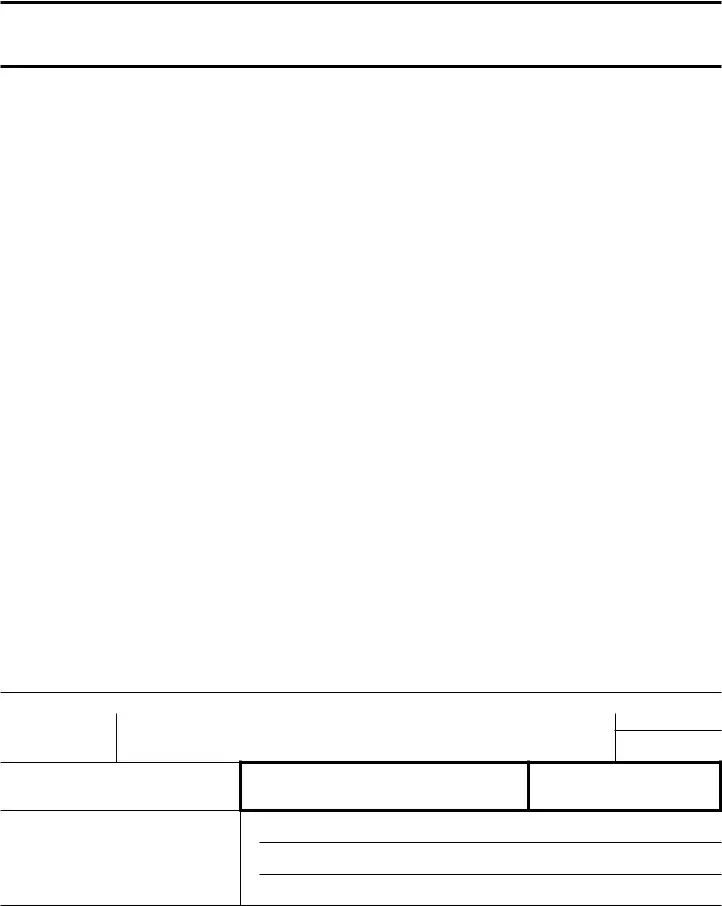
To avoid a penalty, make your payment with your 2025 Form 940 only if your FUTA tax for the fourth quarter (plus any undeposited amounts from earlier quarters) is $500 or less. If your total FUTA tax after adjustments (Form 940, line 12) is more than $500, you must make deposits by electronic funds transfer (EFT). An EFT can be made using the Electronic Federal Tax Payment System (EFTPS), IRS Direct Pay, or your IRS business tax account. Don’t use Form
Use Form
that should’ve been deposited, you may be subject to a penalty. See Deposit Penalties in section 11 of Pub. 15.
Specific Instructions
Box
entry space.
Box
Box
•Enclose your check or money order made payable to “United States Treasury.” Be sure to enter your EIN, “Form 940,” and “2025” on your check or money order. Don’t send cash. Don’t staple Form
•Detach Form
Note: You must also complete the entity information above Part 1 on Form 940.
Detach Here and Mail With Your Payment and Form 940.
Form
Department of the Treasury
Internal Revenue Service
1Enter your employer identification number (EIN).
–
Payment Voucher
Don’t staple or attach this voucher to your payment.
2Enter the amount of your payment.
Make your check or money order payable to “United States Treasury.”
OMB No.
2025
Dollars |
Cents |
|
|
3Enter your business name (individual name if sole proprietor). Enter your address.
Enter your city, state, and ZIP code; or your city, foreign country name, foreign province/county, and foreign postal code.
| Fact Name | Details |
|---|---|
| Purpose | The IRS 940 form is used to report annual Federal Unemployment Tax Act (FUTA) taxes. |
| Filing Deadline | The form must be filed by January 31st of the following year for the previous tax year. |
| Eligibility | Employers who pay $1,500 or more in wages in any calendar quarter must file this form. |
| Tax Rate | The standard FUTA tax rate is 6.0% on the first $7,000 of each employee's wages. |
| State-Specific Forms | Employers may also need to file state unemployment tax forms, which vary by state. |
| Governing Laws | State unemployment tax laws govern the state-specific forms, which can differ significantly. |
| Penalties | Failure to file the IRS 940 on time may result in penalties and interest on unpaid taxes. |
| Amendments | If errors occur, employers can amend the form by filing IRS Form 940-X. |
Filling out the IRS 940 form is an important task for employers to ensure compliance with federal unemployment tax requirements. After completing the form, you will need to submit it to the IRS by the due date to avoid penalties.
What is the IRS 940 form?
The IRS 940 form, officially known as the Employer's Annual Federal Unemployment (FUTA) Tax Return, is used by employers to report their annual federal unemployment tax liability. This form helps the IRS track the amount of unemployment tax owed and ensures compliance with federal unemployment tax laws.
Who needs to file Form 940?
Employers who pay wages to employees and are subject to the Federal Unemployment Tax Act (FUTA) must file Form 940. If your business had a total payroll of $1,500 or more in any calendar quarter during the year, or if you employed at least one employee for some part of a day in any 20 or more weeks during the year, you are required to file this form.
When is Form 940 due?
Form 940 is due annually by January 31 of the following year. If you deposited all your FUTA tax on time, you may have until February 10 to file the form. It’s important to keep track of these deadlines to avoid penalties and interest on late payments.
How do I fill out Form 940?
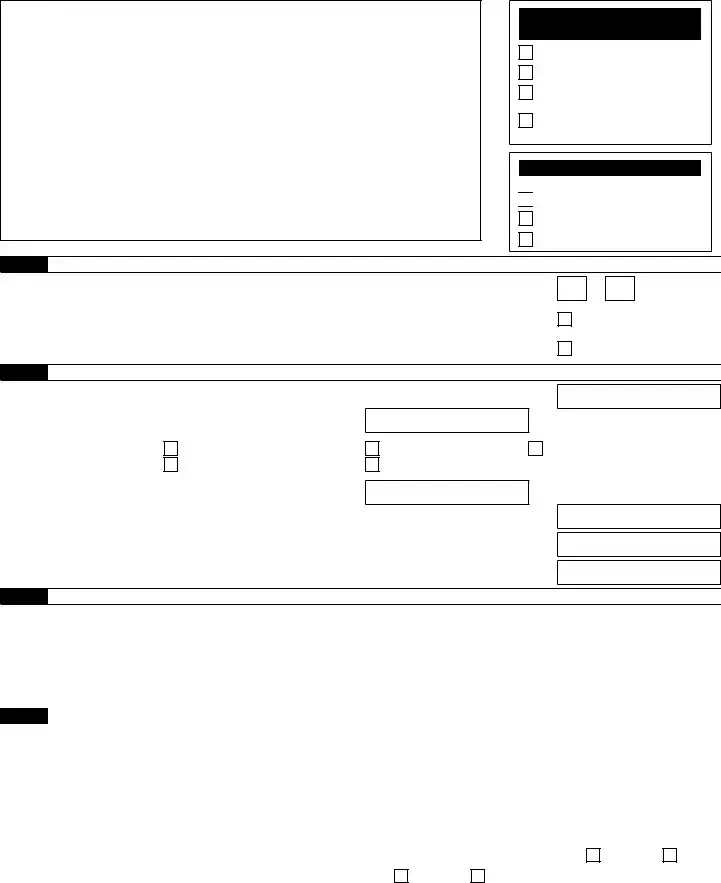
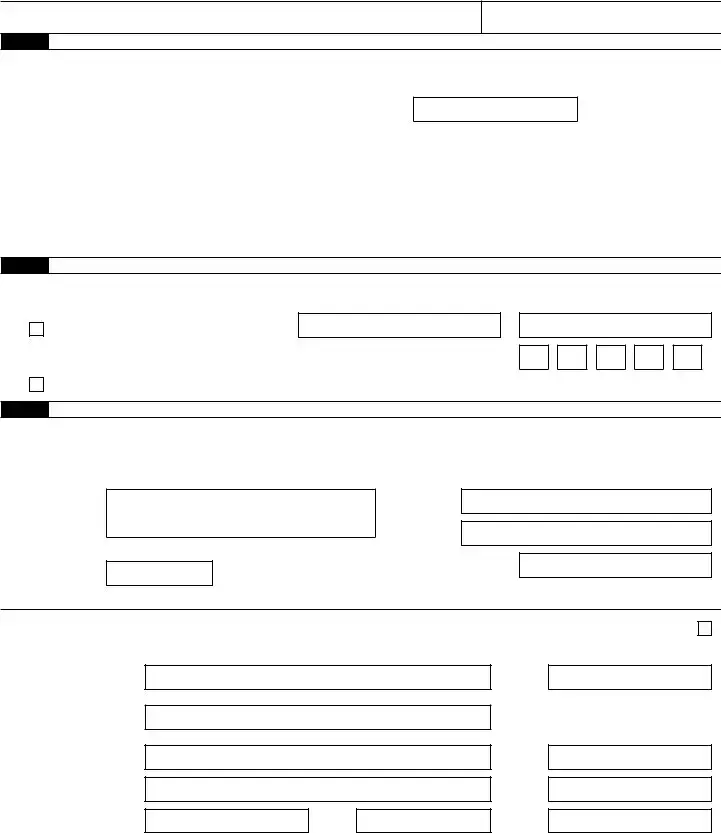
To fill out Form 940, you will need to provide information about your business, including your employer identification number (EIN), total wages paid, and any adjustments for state unemployment taxes. The form includes sections for calculating your FUTA tax liability and reporting any credits for state unemployment taxes paid. It is advisable to refer to the instructions provided by the IRS for detailed guidance.
What if I don’t owe any FUTA tax?
Even if you don’t owe any FUTA tax, you are still required to file Form 940. This ensures that the IRS has a record of your business’s unemployment tax status. If you had no employees or did not meet the filing requirements, you can indicate this on the form.
What are the penalties for not filing Form 940?
Failing to file Form 940 on time can result in penalties. The IRS may impose a penalty of 5% of the unpaid tax for each month the form is late, up to a maximum of 25%. Additionally, interest may accrue on any unpaid taxes. Timely filing is essential to avoid these consequences.
Can I file Form 940 electronically?
Yes, you can file Form 940 electronically using the IRS e-file system or through various tax preparation software programs. Electronic filing is often faster and more secure than paper filing, and it can help ensure that your form is submitted correctly.
Incorrect Employer Identification Number (EIN): Many individuals mistakenly enter an incorrect EIN. This number is crucial for identifying the business. Double-checking this number can prevent delays and complications.
Misreporting Wages: Some filers fail to accurately report the total wages paid to employees. This error can lead to underpayment of taxes or additional penalties. Ensure all figures are correct and reflect the total taxable wages.
Omitting State Unemployment Taxes: It is common for individuals to forget to include state unemployment taxes in their calculations. These taxes can affect the overall amount owed. Review state requirements carefully to ensure compliance.
Missing Signatures: A simple yet critical mistake is neglecting to sign the form. Without a signature, the IRS may consider the submission invalid. Always verify that all necessary signatures are included before submission.
The IRS 940 form is essential for employers to report annual unemployment taxes. However, several other forms and documents often accompany it to ensure compliance with tax regulations and proper record-keeping. Below is a list of common documents that you may need to consider when filing your IRS 940 form.
Being aware of these forms and documents can help streamline your filing process and ensure that you meet all necessary requirements. Keeping accurate records and understanding your obligations will contribute to a smoother experience when dealing with taxes.
The IRS Form 940 is essential for employers as it is used to report annual Federal Unemployment Tax Act (FUTA) taxes. Understanding similar forms can help employers navigate their tax responsibilities more effectively. Here are five documents that share similarities with Form 940:
When completing the IRS 940 form, it is essential to follow certain guidelines to ensure accuracy and compliance. Below is a list of things to do and avoid during the process.
Things to Do:
Things to Avoid:
The IRS Form 940 is essential for employers to report their annual Federal Unemployment Tax Act (FUTA) taxes. However, several misconceptions exist about this form. Below are some common misunderstandings.
Understanding these misconceptions can help employers navigate their responsibilities regarding unemployment taxes more effectively.
The IRS Form 940 is essential for employers to report their annual Federal Unemployment Tax Act (FUTA) liability. Understanding how to fill it out correctly is crucial for compliance and avoiding penalties. Here are key takeaways regarding the form:
Understanding these key aspects of the IRS Form 940 can help ensure compliance and facilitate smoother tax processes for employers.