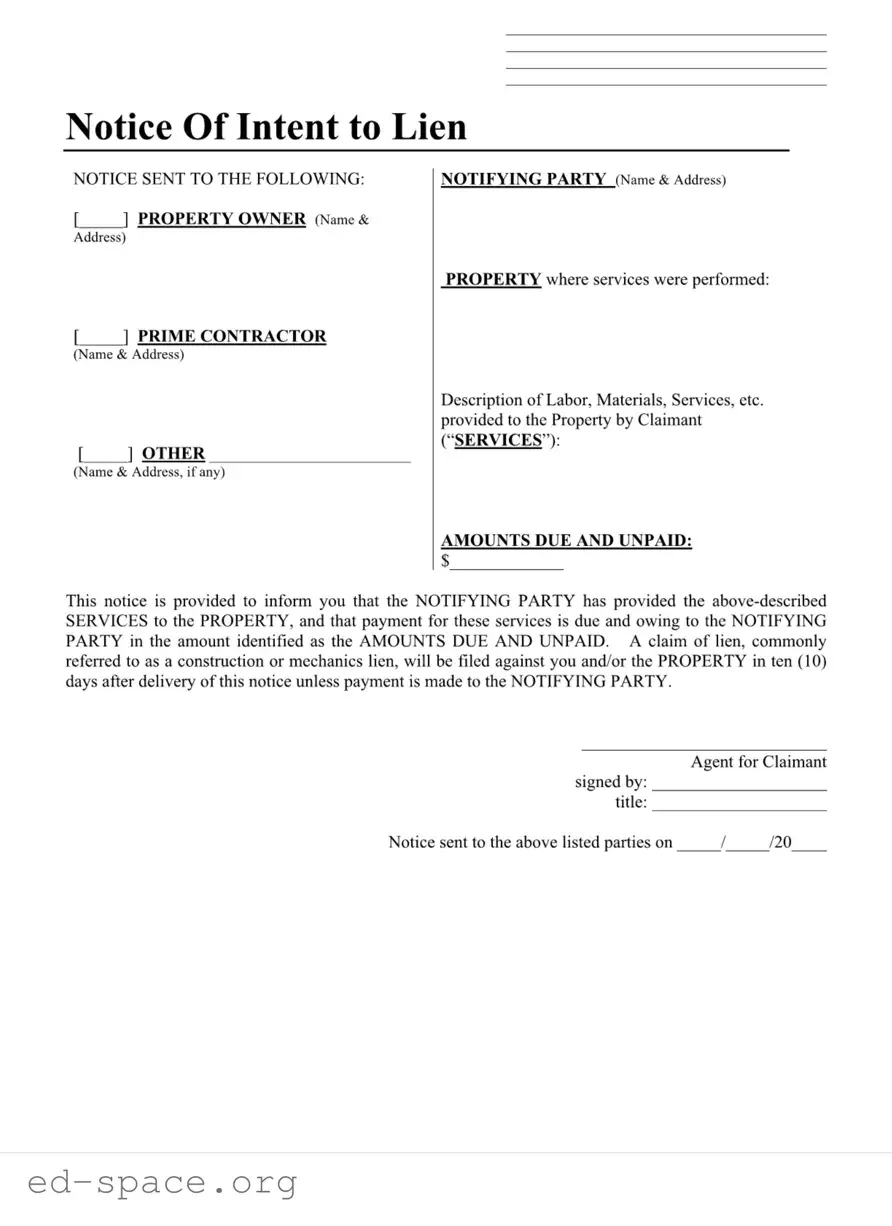
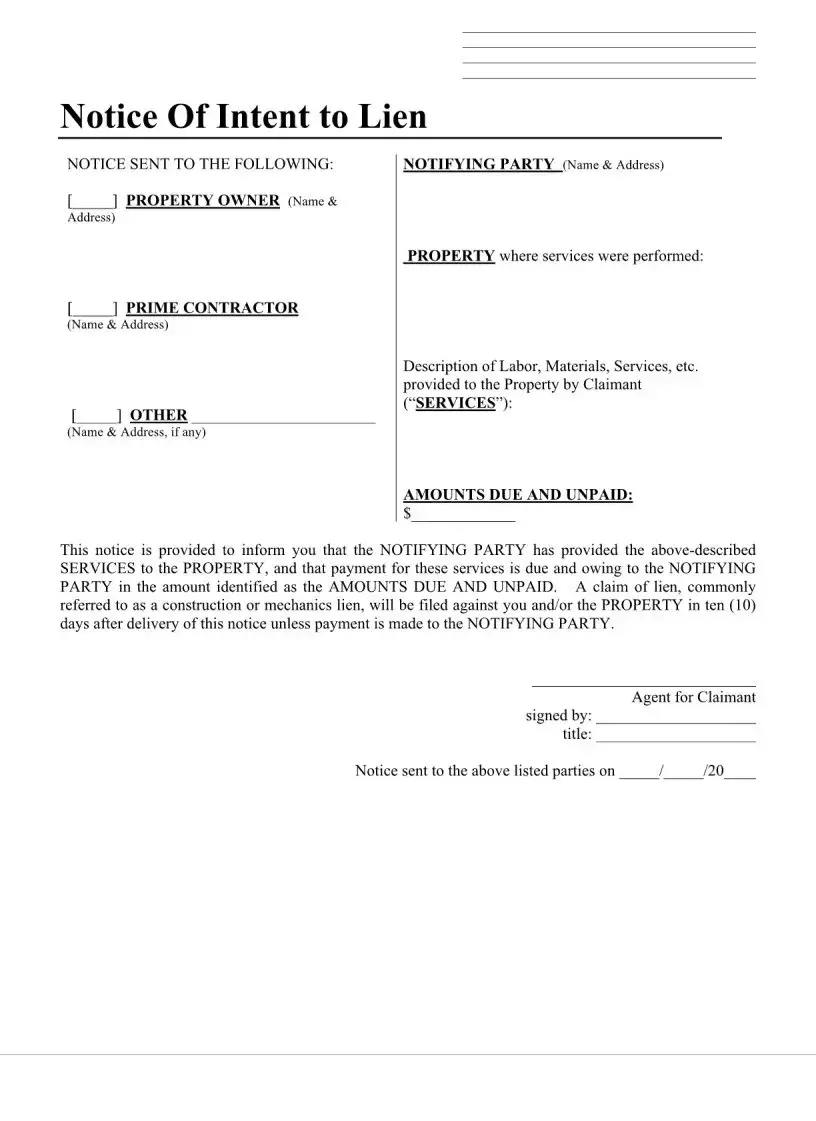
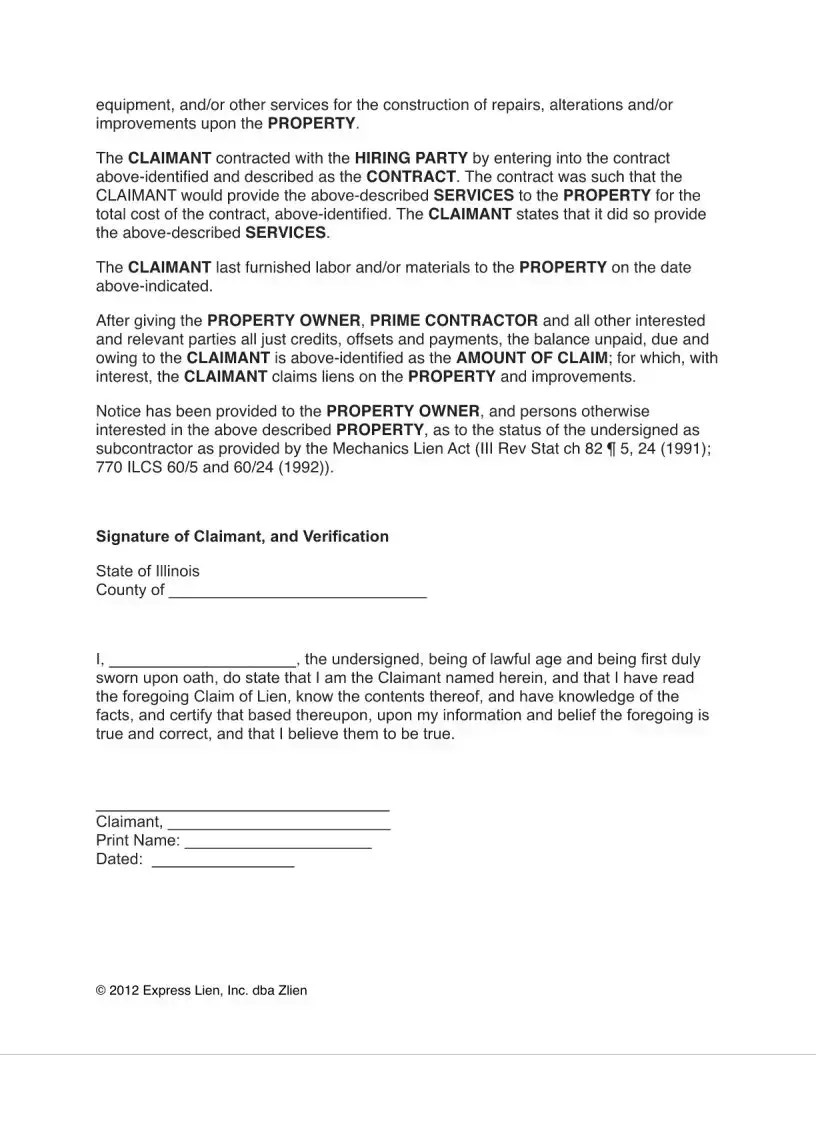
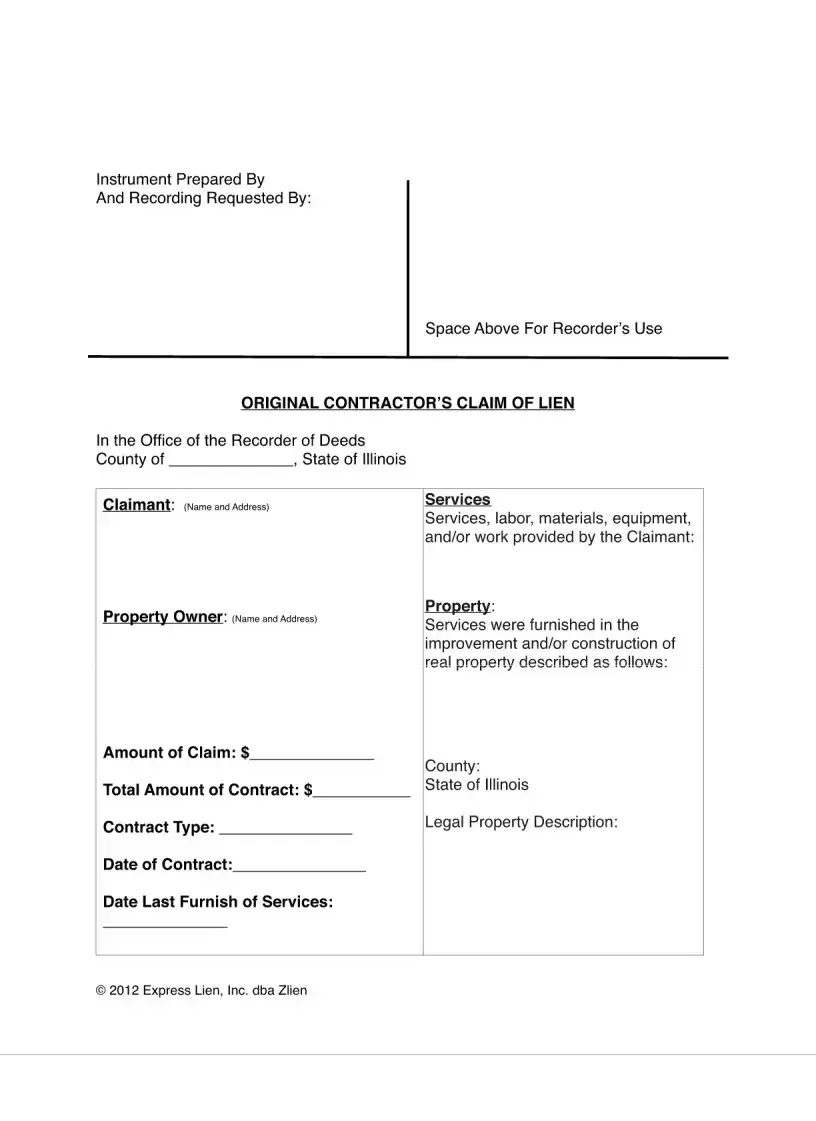
The Illinois Notice Lien form serves as a critical tool for subcontractors and suppliers seeking to secure payment for services rendered in the construction industry. This form is designed to notify property owners and prime contractors of unpaid amounts due for labor, materials, or other services provided. Essential information included in the form encompasses the names and addresses of the property owner, prime contractor, and notifying party, as well as a detailed description of the services performed. It specifies the total amount due and unpaid, which is crucial for establishing the basis of the lien claim. Importantly, the form also outlines the process by which a lien may be filed if payment is not received within ten days of notice delivery. This proactive measure is intended to protect the rights of those who contribute to the construction project, ensuring they have a means to seek compensation. The form requires the claimant's signature and verification, adding a layer of authenticity and accountability to the claim. Overall, the Illinois Notice Lien form is an essential document that facilitates communication and legal recourse in the event of payment disputes in the construction sector.


| Fact Name | Details |
|---|---|
| Purpose | The Illinois Notice Lien form is used to inform property owners and contractors about unpaid services related to construction or improvements on a property. |
| Governing Law | This form is governed by the Illinois Mechanics Lien Act (770 ILCS 60/5 and 60/24). |
| Notification Timeline | After sending this notice, a claim of lien can be filed within ten days if payment is not received. |
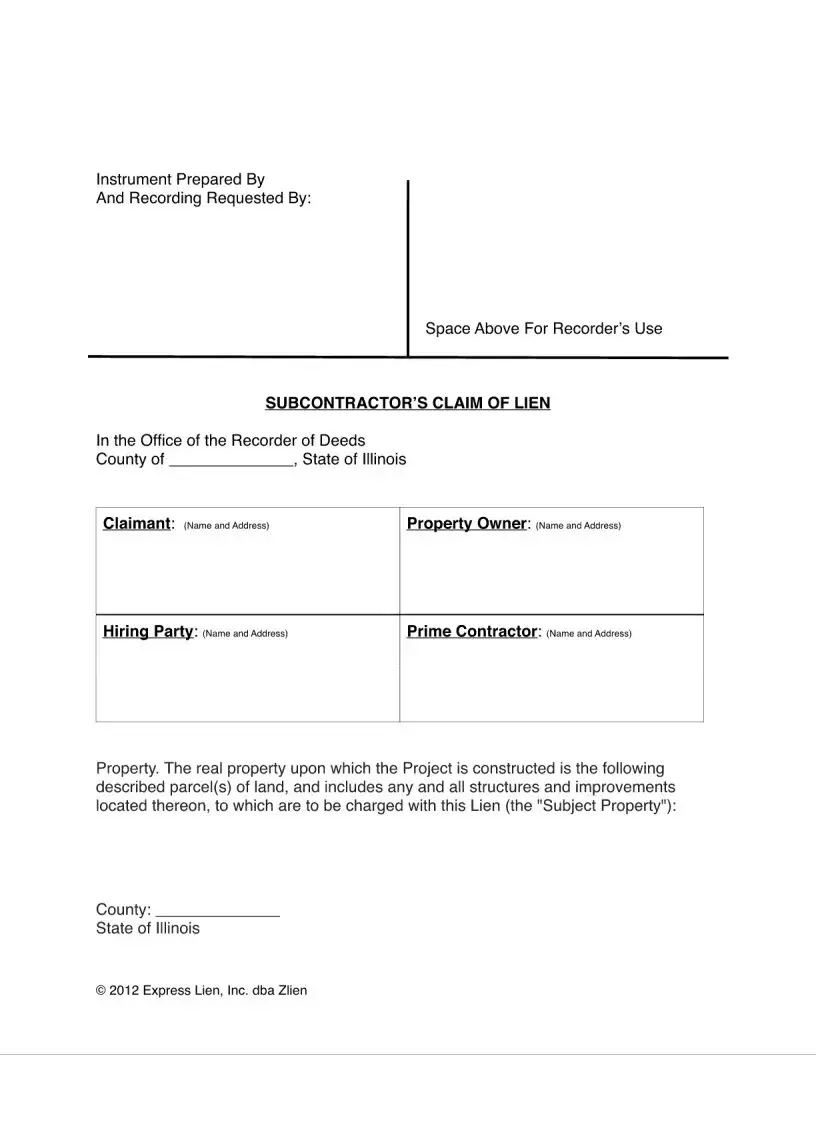
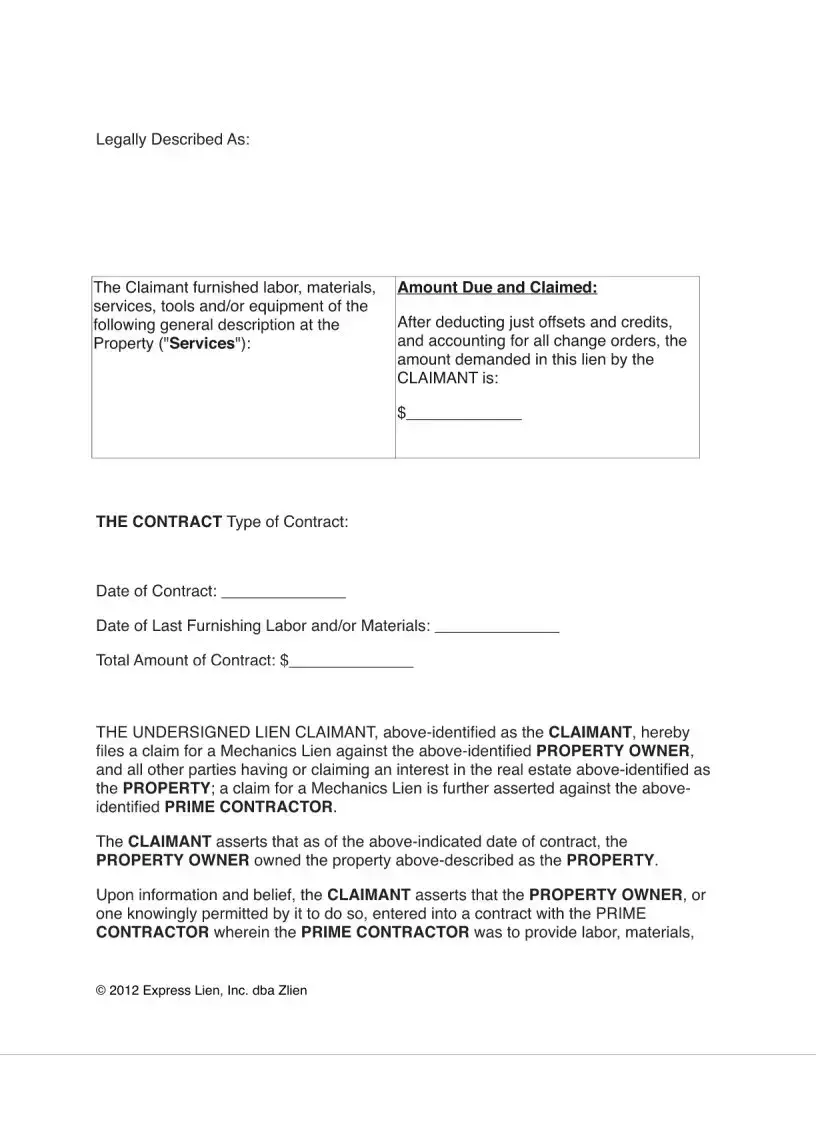
| Required Information | The form requires details such as the property owner's name, address, a description of services provided, and the amount due. |
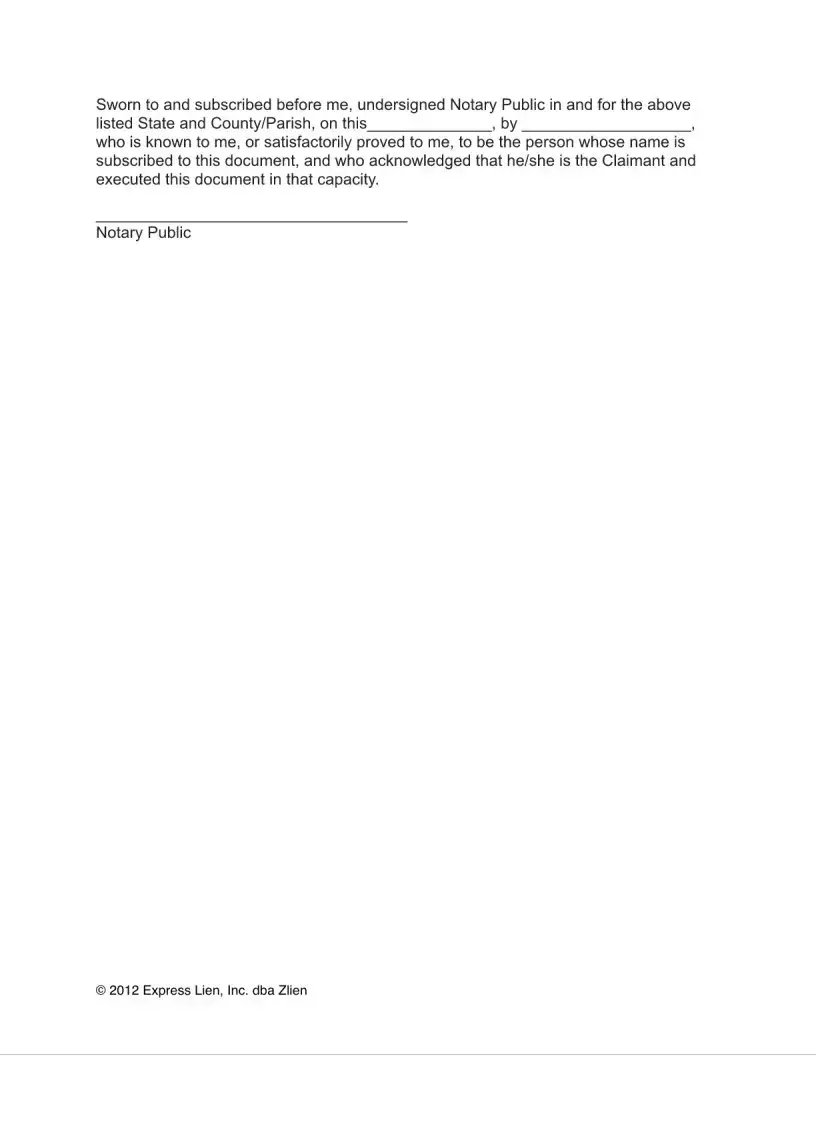
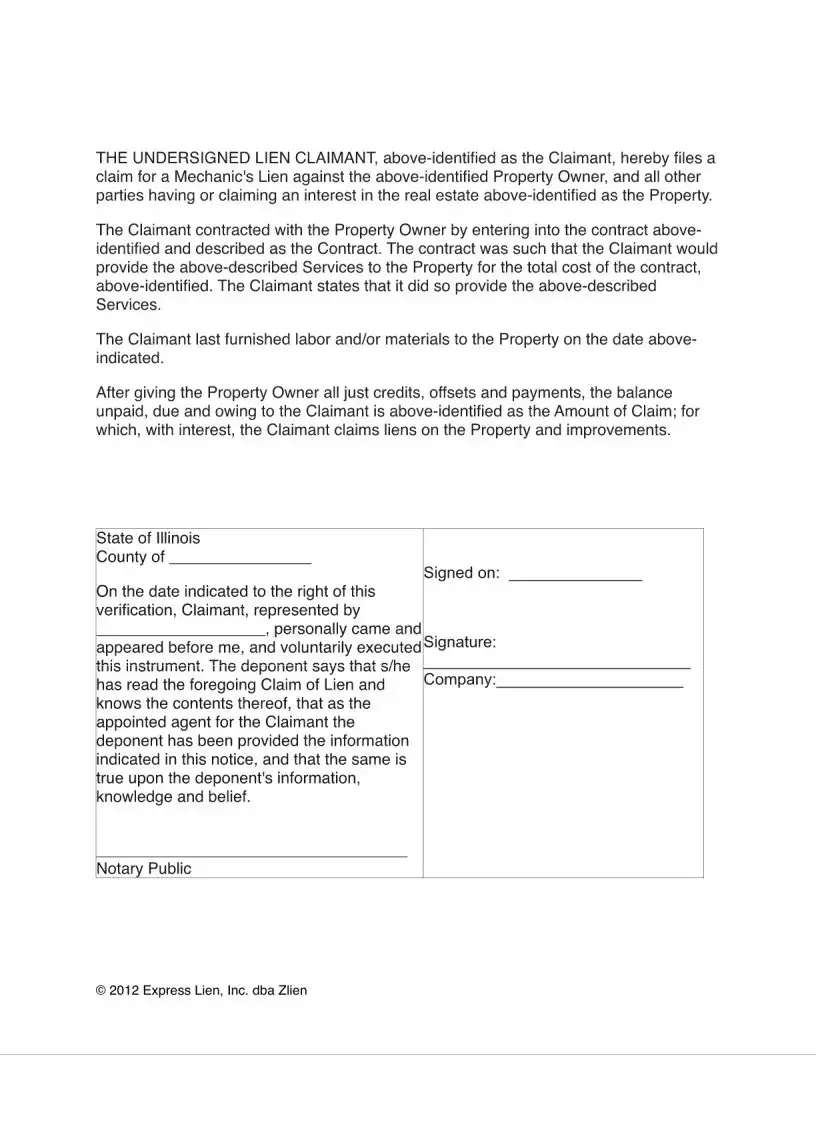
| Signatures | The form must be signed by the claimant, and it may also need notarization for validity. |
Once the Illinois Notice Lien form is completed, it must be submitted to the appropriate parties to ensure that all necessary stakeholders are informed about the unpaid amounts for services rendered. This step is crucial for protecting the rights of the claimant and facilitating potential recovery of the owed amounts.
What is the purpose of the Illinois Notice Lien form?
The Illinois Notice Lien form serves as a formal notification to property owners and contractors that a service provider, such as a subcontractor or supplier, has not been paid for work performed on a property. This notice alerts the property owner that payment is overdue and that a lien may be filed against the property if the debt remains unpaid. Essentially, it’s a way to protect the rights of those who provide labor and materials in construction projects.
Who needs to use the Illinois Notice Lien form?
How long do I have to file the Notice Lien after providing services?
What information is required on the Illinois Notice Lien form?
What happens if I don’t send the Notice Lien?
Failing to include the property owner's name and address. This information is essential for identifying the correct property and owner.
Omitting the prime contractor's name and address. This detail is necessary to establish the relationship between parties involved in the project.
Not specifying the property where services were performed. Clearly identifying the property helps avoid confusion and potential disputes.
Leaving out the description of services provided. A detailed description helps clarify what work was done and supports the claim for payment.
Failing to accurately state the amount due and unpaid. Providing the correct amount is crucial for the validity of the lien.
Not including the date of last furnishing labor or materials. This date is important for establishing the timeline of the claim.
Neglecting to sign the document. A signature is required to validate the claim and confirm that the information is accurate.
Forgetting to provide the date of the contract. This information is necessary to establish the context of the work performed.
Failing to notify all relevant parties. Ensure that all parties involved receive a copy of the notice to avoid legal issues.
Not having the document notarized. A notarized signature adds credibility and can prevent challenges to the validity of the lien.
The Illinois Notice Lien form is an important document in the construction industry. It serves as a formal notification to property owners and contractors about unpaid services. Along with this form, several other documents are often used to support or clarify the lien process. Here are five key forms and documents commonly associated with the Illinois Notice Lien form:
Understanding these documents is crucial for anyone involved in construction or contracting in Illinois. They help protect the rights of those who provide services and ensure proper communication among all parties involved.
When filling out the Illinois Notice Lien form, it's crucial to follow specific guidelines to ensure accuracy and compliance. Here are five important things to do and avoid:
Understanding the Illinois Notice Lien form is crucial for anyone involved in construction or property management. However, several misconceptions often arise regarding this important document. Below are some common misunderstandings and clarifications to help clear the air.
This is not accurate. While contractors frequently use the form, subcontractors and suppliers can also file a lien. Anyone who has provided services or materials and has not received payment can utilize this form to protect their rights.
Filing a lien does not automatically result in payment. It serves as a formal notice to the property owner and other parties that payment is overdue. If the debt remains unpaid, further legal action may be necessary to enforce the lien.
While it is important to act promptly, the Notice Lien does not need to be filed immediately. In Illinois, it is typically required to be filed within a specific time frame after the last service or material was provided, which is usually within four months for most contractors.
This is misleading. Other parties, such as the prime contractor or even subcontractors, can also dispute a lien. If there are discrepancies regarding the services provided or payments due, any involved party may contest the lien.
While it may seem daunting, the Notice Lien form is designed to be straightforward. It requires basic information about the parties involved, the services provided, and the amounts due. Many find that with careful attention, they can complete the form without needing extensive legal knowledge.
By addressing these misconceptions, individuals can better navigate the complexities of the Illinois Notice Lien process. Understanding the facts helps ensure that all parties are informed and can take appropriate action when necessary.
Filling out the Illinois Notice Lien form can be a crucial step in ensuring that payment is received for services rendered. Here are some key takeaways to keep in mind:
By following these guidelines, individuals can better navigate the process of using the Illinois Notice Lien form effectively.