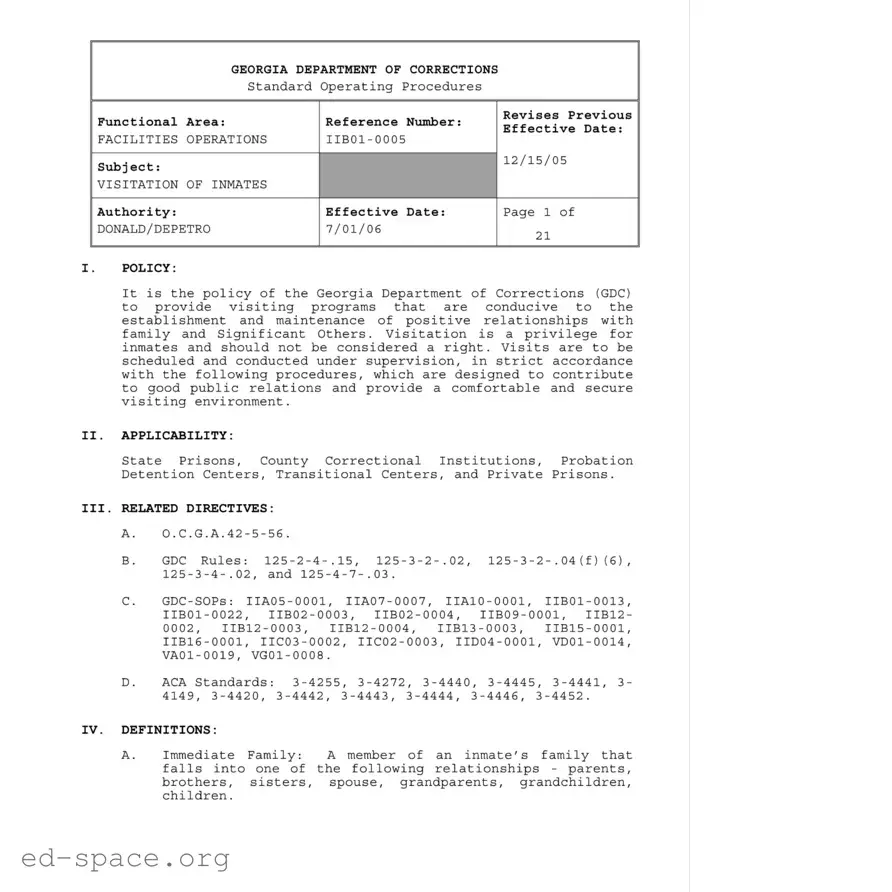
The Georgia Standard Operating Procedures (SOP) for inmate visitation outlines essential guidelines aimed at fostering positive relationships between inmates and their families or significant others. This document emphasizes that visitation is a privilege, not a right, and establishes clear procedures to ensure a secure and comfortable environment for all involved. The policy applies to various correctional facilities, including state prisons and private institutions, and is grounded in state law and related directives. Key definitions within the SOP clarify terms such as immediate family, extended family, and significant relationship visitors, helping to delineate who may visit inmates. The form also addresses important logistical aspects, including visitation schedules, areas designated for visits, and specific procedures for inmates during the diagnostic phase. Additional attachments provide necessary consent forms and visitor registers, ensuring compliance and security during visitation. Overall, this SOP serves as a framework to maintain order while allowing inmates to connect with their loved ones, thereby supporting their rehabilitation and reintegration into society.
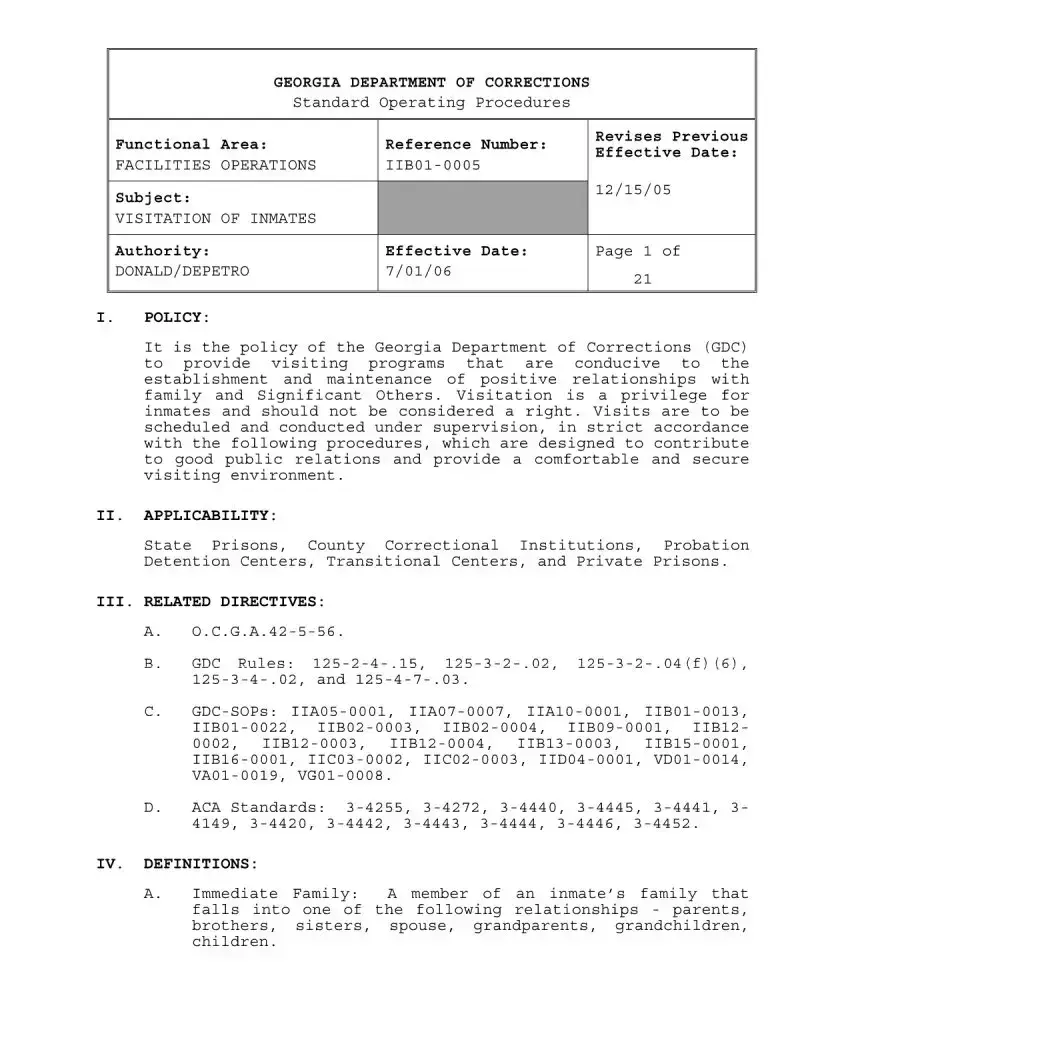
| Fact Name | Fact Description |
|---|---|
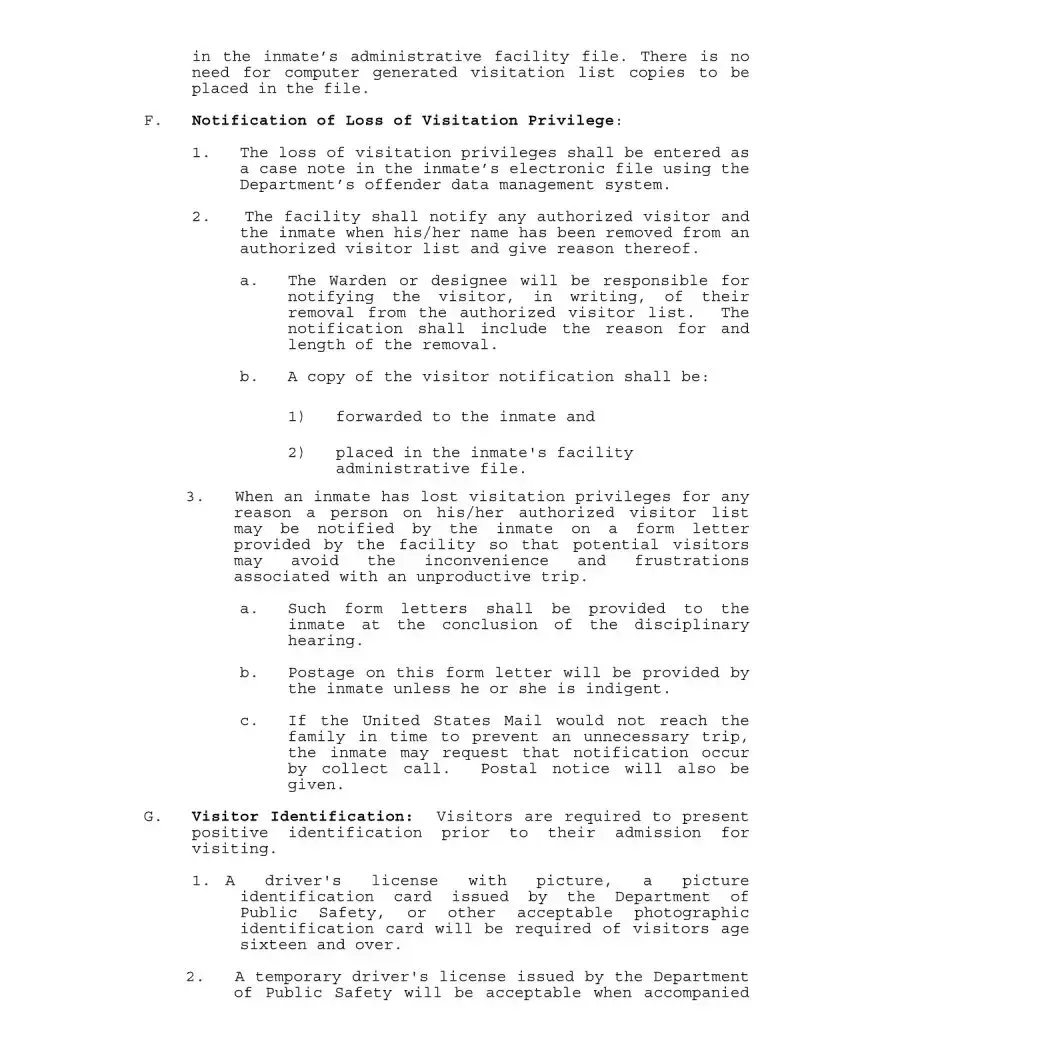
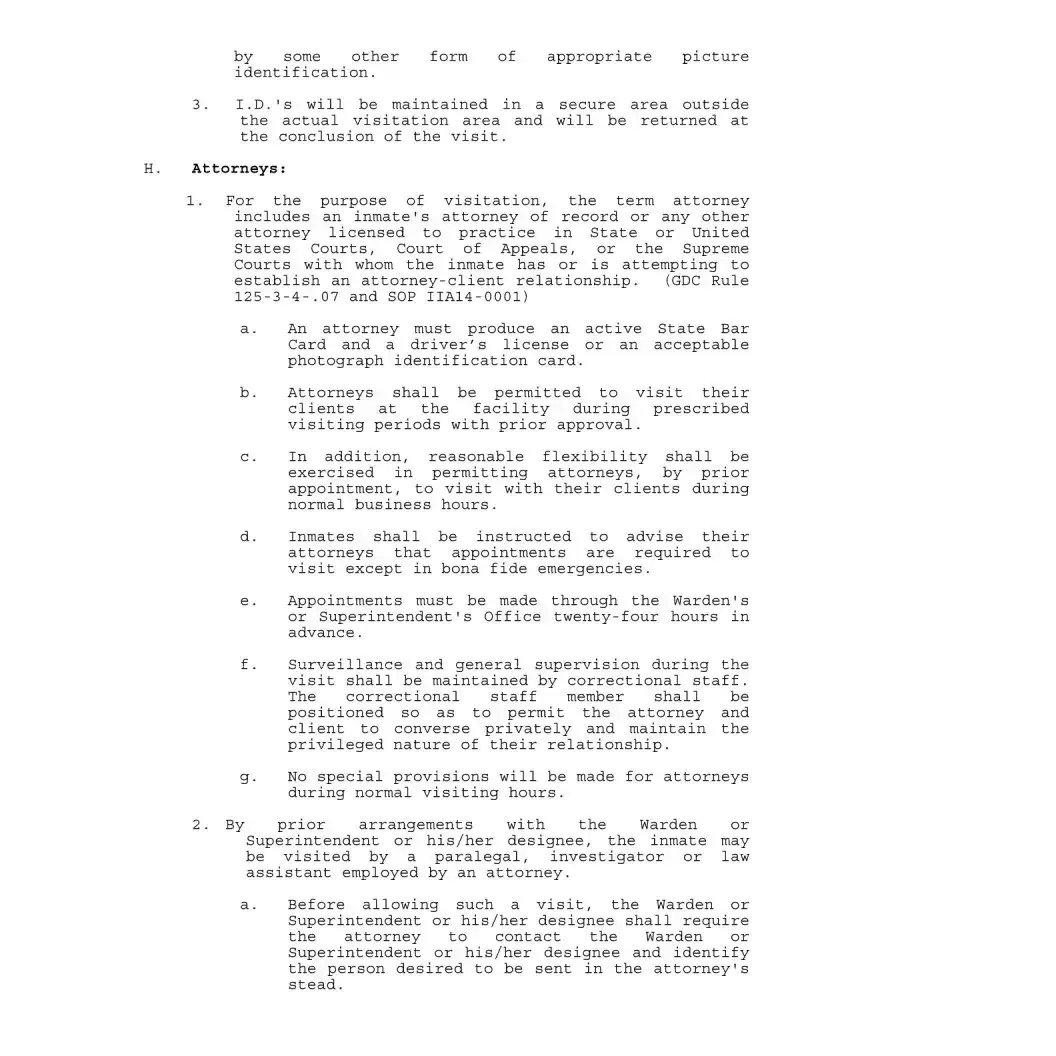
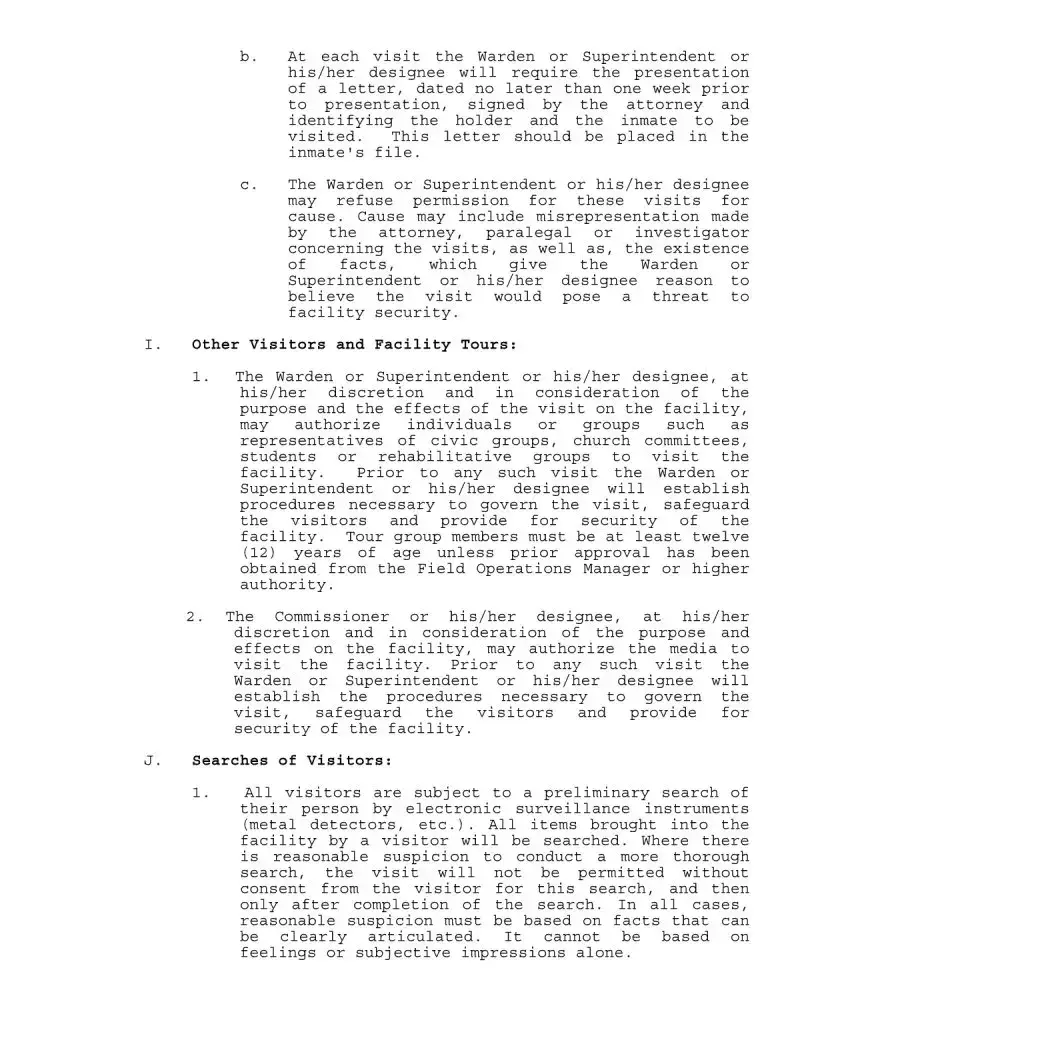
| Policy Overview | The Georgia Department of Corrections has a policy to facilitate visitation that helps maintain positive relationships between inmates and their families or significant others. |
| Applicability | This SOP applies to state prisons, county correctional institutions, probation detention centers, transitional centers, and private prisons. |
| Authority | The governing laws include O.C.G.A. § 42-5-56 and various GDC rules such as 125-2-4-.15 and 125-3-2-.02. |
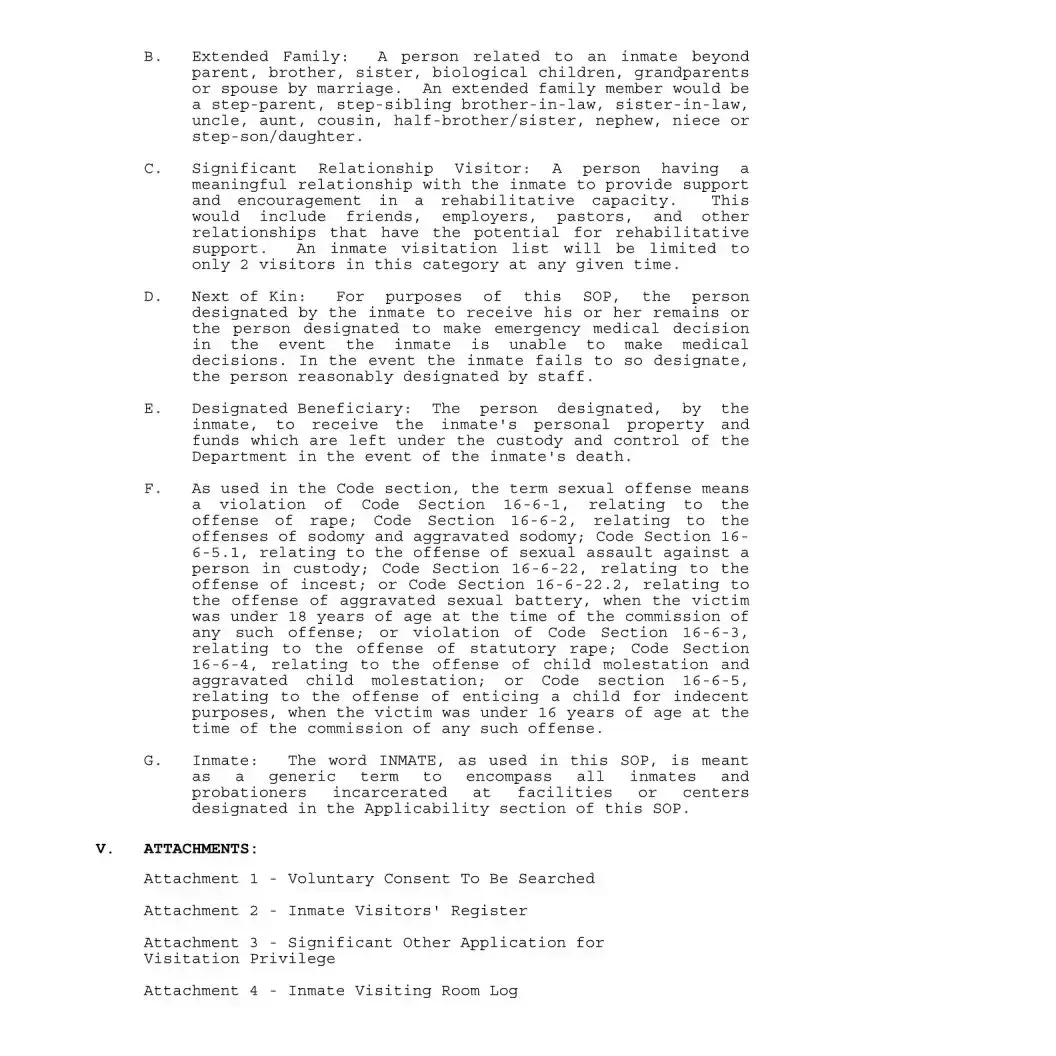
| Definitions | Key terms include Immediate Family, Extended Family, Significant Relationship Visitor, Next of Kin, and Designated Beneficiary, each defined to clarify visitation rights. |
| Visitation Privilege | Visitation is considered a privilege for inmates, not a right, and must be scheduled and conducted under strict supervision. |
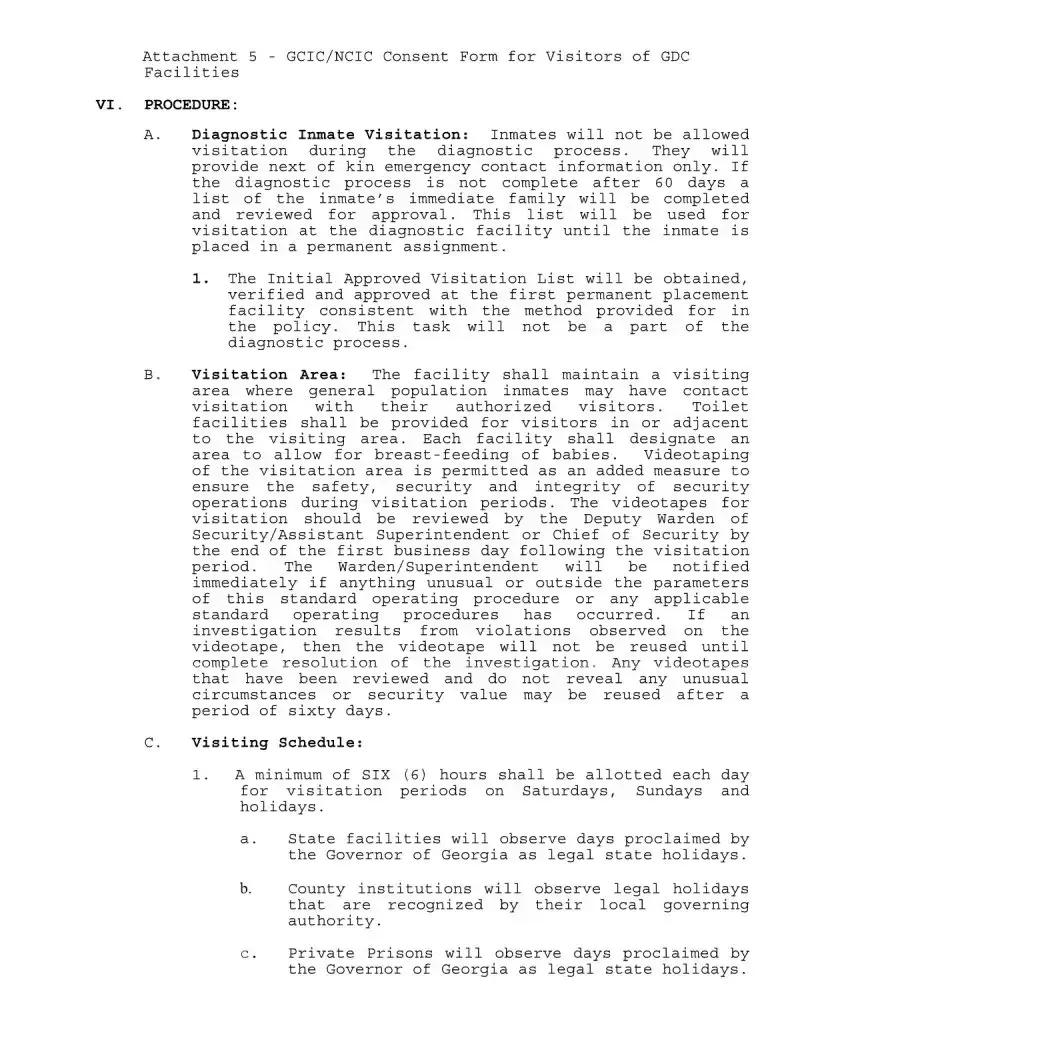
| Visitation Area Requirements | Facilities must maintain designated visiting areas, provide toilet facilities for visitors, and allow for breastfeeding in designated spaces. |
| Visiting Schedule | A minimum of six hours for visitation is required on weekends and holidays, with specific provisions for state and county facilities. |
| Videotaping Procedures | Videotaping of visitation areas is allowed for security purposes, and tapes must be reviewed promptly after visitation periods. |
Filling out the Georgia SOP form is a straightforward process. It requires attention to detail to ensure all necessary information is provided correctly. After completing the form, it will be submitted for review and approval according to the guidelines set forth by the Georgia Department of Corrections.
What is the purpose of the Georgia SOP form?
The Georgia SOP form outlines the policies and procedures for inmate visitation within the Georgia Department of Corrections. Its primary goal is to facilitate positive relationships between inmates and their families or significant others while ensuring a secure and comfortable visiting environment.
Who can visit an inmate?
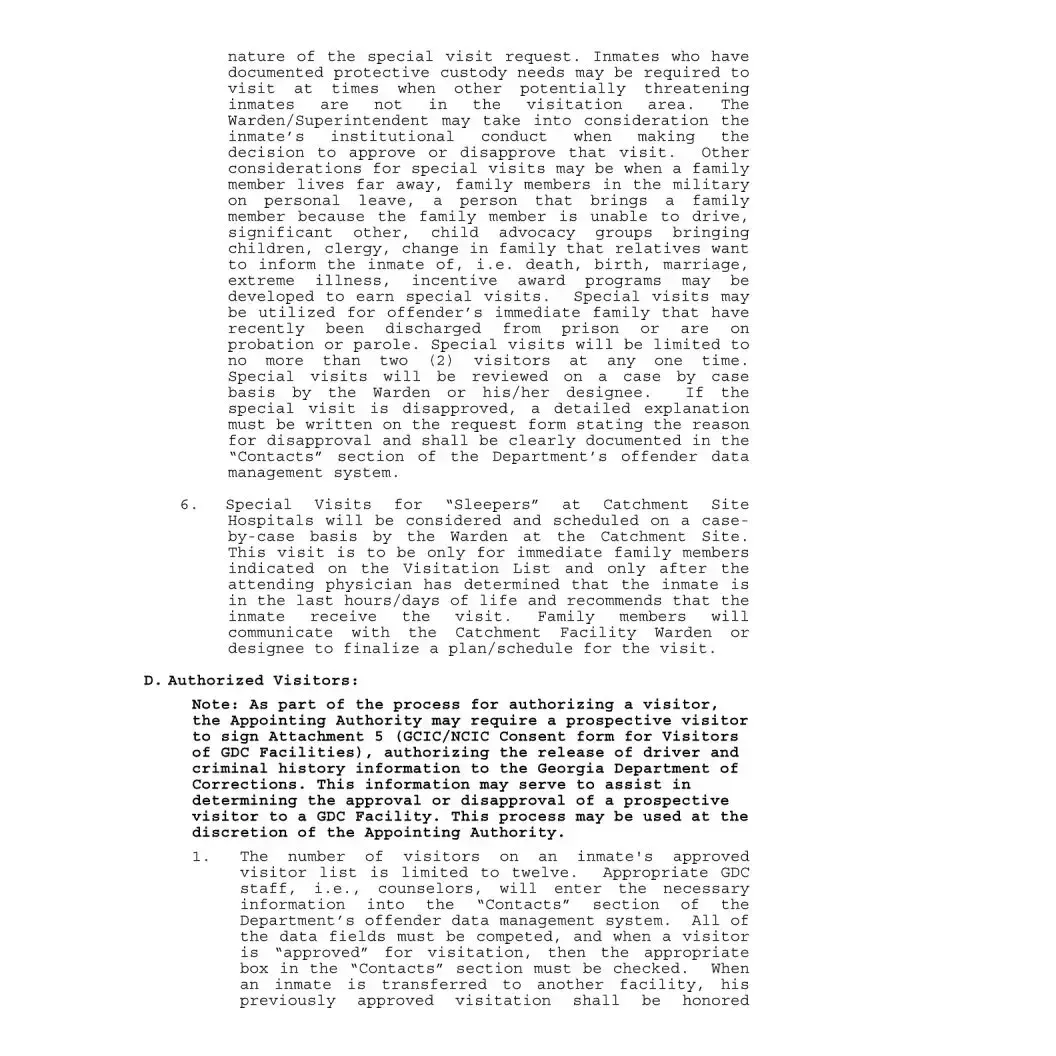
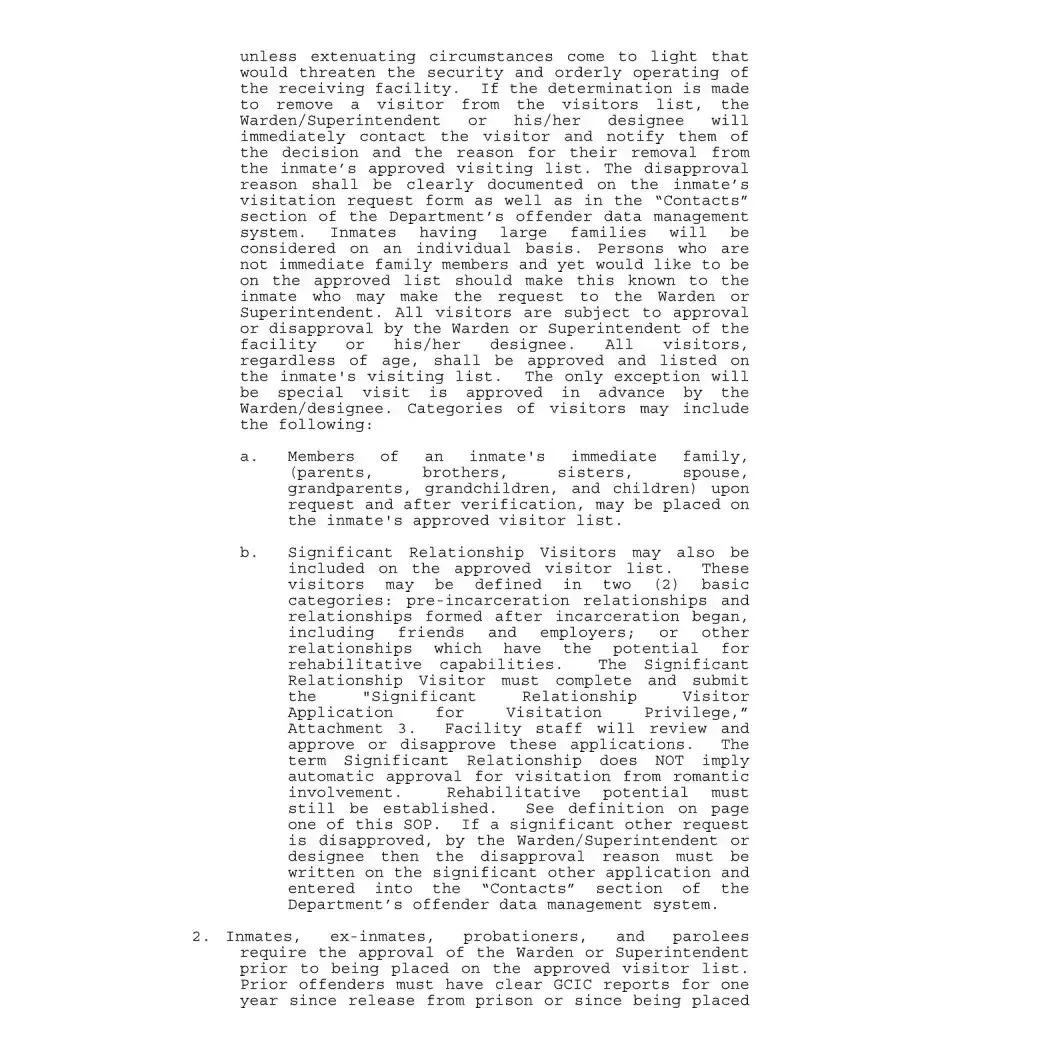
Inmates can receive visits from immediate family members, extended family members, and significant relationship visitors. Immediate family includes parents, siblings, spouses, and children. Extended family members may include aunts, uncles, and cousins. Significant relationship visitors can be friends or others who provide rehabilitative support, but only two such visitors are allowed at any time.
Are visits a right or a privilege?
Visitation is considered a privilege for inmates, not a right. This means that the ability to receive visitors can be restricted or revoked based on behavior or other circumstances.
How are visitation lists created and approved?
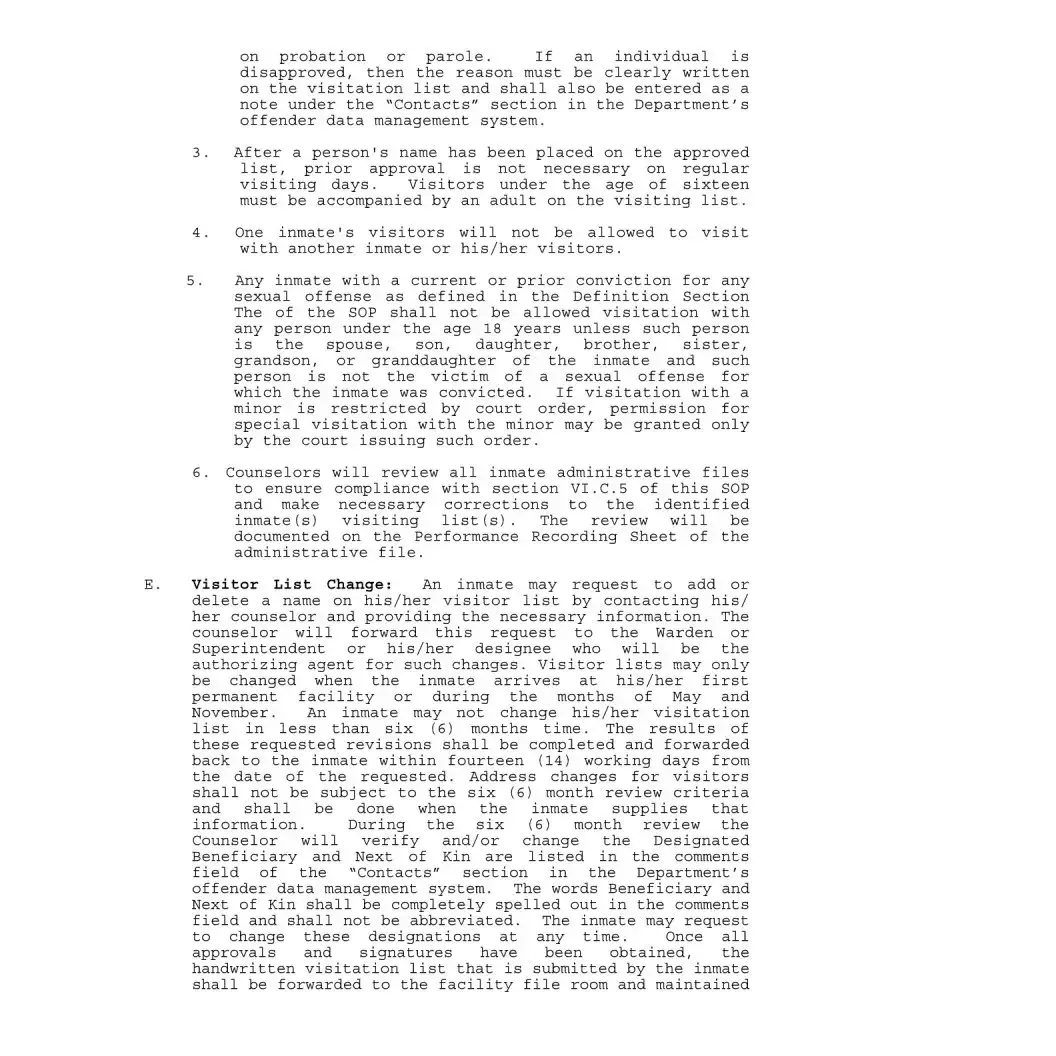
During the diagnostic process, inmates cannot have visitors. After this period, an initial approved visitation list is created, verified, and approved at the inmate's first permanent placement facility. This list is essential for scheduling future visits.
What are the visitation hours?
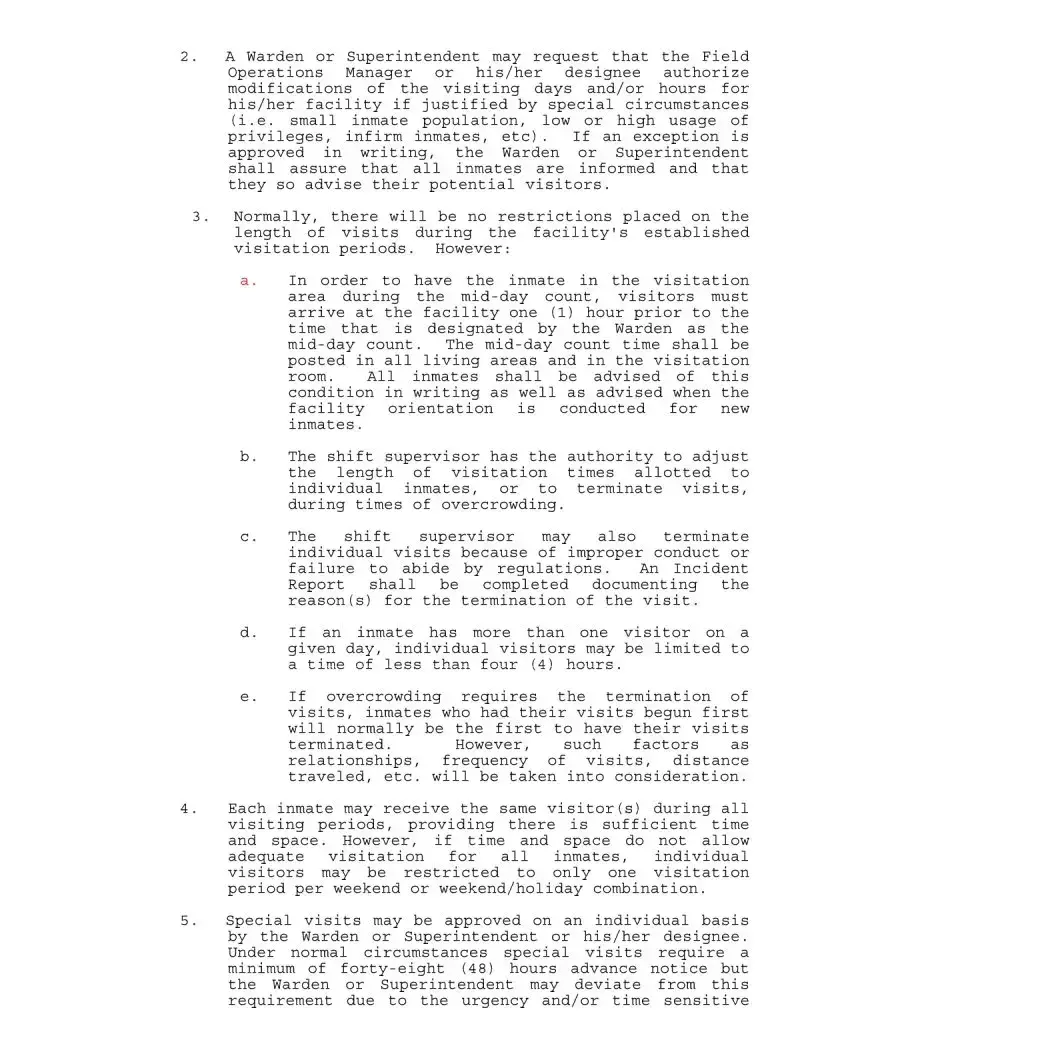
Each facility must provide at least six hours of visitation each day on weekends and holidays. Specific hours may vary, and facilities may adjust these based on special circumstances, such as inmate population or usage of privileges.
What happens if an inmate is in the diagnostic process?
Inmates undergoing the diagnostic process cannot receive visitors. They must provide emergency contact information for their next of kin. If the process extends beyond 60 days, a list of immediate family members will be created for visitation approval once the inmate is assigned to a permanent facility.
Are there any restrictions on visit length?
Typically, there are no restrictions on how long visits can last during designated visitation periods. However, visitors must arrive at least one hour before the mid-day count to ensure the inmate can be present during that time.
How does the facility ensure safety during visits?
Facilities maintain designated visiting areas and provide restroom facilities for visitors. Additionally, videotaping of the visitation area is permitted to enhance safety and security. Any unusual incidents captured on tape will be investigated, and the tapes will not be reused until the investigation is complete.
Incomplete Information: Many individuals fail to provide all required details, such as names, addresses, and relationships. Missing information can delay the processing of the form.
Incorrect Relationships: Some applicants mistakenly list individuals who do not qualify as immediate or extended family members. Understanding the definitions is crucial to avoid this mistake.
Signature Issues: Failing to sign the form or having an illegible signature can lead to rejection. Always double-check that the signature is clear and present.
Not Following Instructions: Ignoring specific instructions related to the visitation process can result in complications. Read the guidelines carefully before submitting.
Missing Deadlines: Submitting the form after the deadline can prevent visitation from being approved. Timeliness is essential in this process.
Failure to Update Information: Some applicants forget to update their forms when circumstances change, such as a new address or a different relationship status. Keeping information current is vital.
Neglecting to Review: Skipping a final review of the form before submission can lead to overlooked errors. Take the time to check for any mistakes or omissions.
The Georgia Standard Operating Procedures (SOP) form is a critical document for the visitation of inmates within the Georgia Department of Corrections. Several other forms and documents are often utilized in conjunction with this SOP to ensure compliance and facilitate the visitation process. Below is a list of these related documents, each described briefly for clarity.
These documents work together with the Georgia SOP form to create a structured and secure visitation environment. Understanding each form's purpose is essential for compliance and effective communication between the facility and visitors.
The Georgia SOP form for inmate visitation shares similarities with several other documents. Each of these documents serves a specific purpose within the correctional system, focusing on the management of inmate interactions and rights. Below is a list of seven documents that are similar to the Georgia SOP form, along with a brief explanation of how they are alike:
When filling out the Georgia SOP form, it's important to follow specific guidelines to ensure accuracy and compliance. Here’s a list of things you should and shouldn’t do:
Understanding the Georgia SOP form can be challenging due to common misconceptions. Here are seven misconceptions along with clarifications:
By addressing these misconceptions, individuals can better navigate the visitation process and understand the policies in place.
Understand the Purpose: The Georgia SOP form is designed to guide the visitation process for inmates, ensuring that visits help maintain positive relationships with family and significant others.
Visitation is a Privilege: Remember that visitation is considered a privilege for inmates, not a right. Following the procedures is essential to maintain this privilege.
Know Who Can Visit: Familiarize yourself with the definitions of immediate family, extended family, and significant relationship visitors. Only two significant relationship visitors are allowed on an inmate's list at any time.
Emergency Contacts: During the diagnostic process, inmates must provide emergency contact information for their next of kin, but visitation is not permitted until after this process is complete.
Visitation Areas: Each facility will have designated areas for visitation, equipped with necessary facilities to ensure comfort and security for visitors and inmates alike.
Visiting Schedule: Be aware that a minimum of six hours for visitation is allocated on weekends and holidays. Facilities may adjust schedules based on specific circumstances.
Arrival Times Matter: Visitors should plan to arrive at least one hour before designated mid-day counts to ensure that the inmate can participate in the visitation.
Video Monitoring: Expect that visitation areas may be monitored by video to ensure safety and security. Any unusual incidents will be reviewed and addressed promptly.