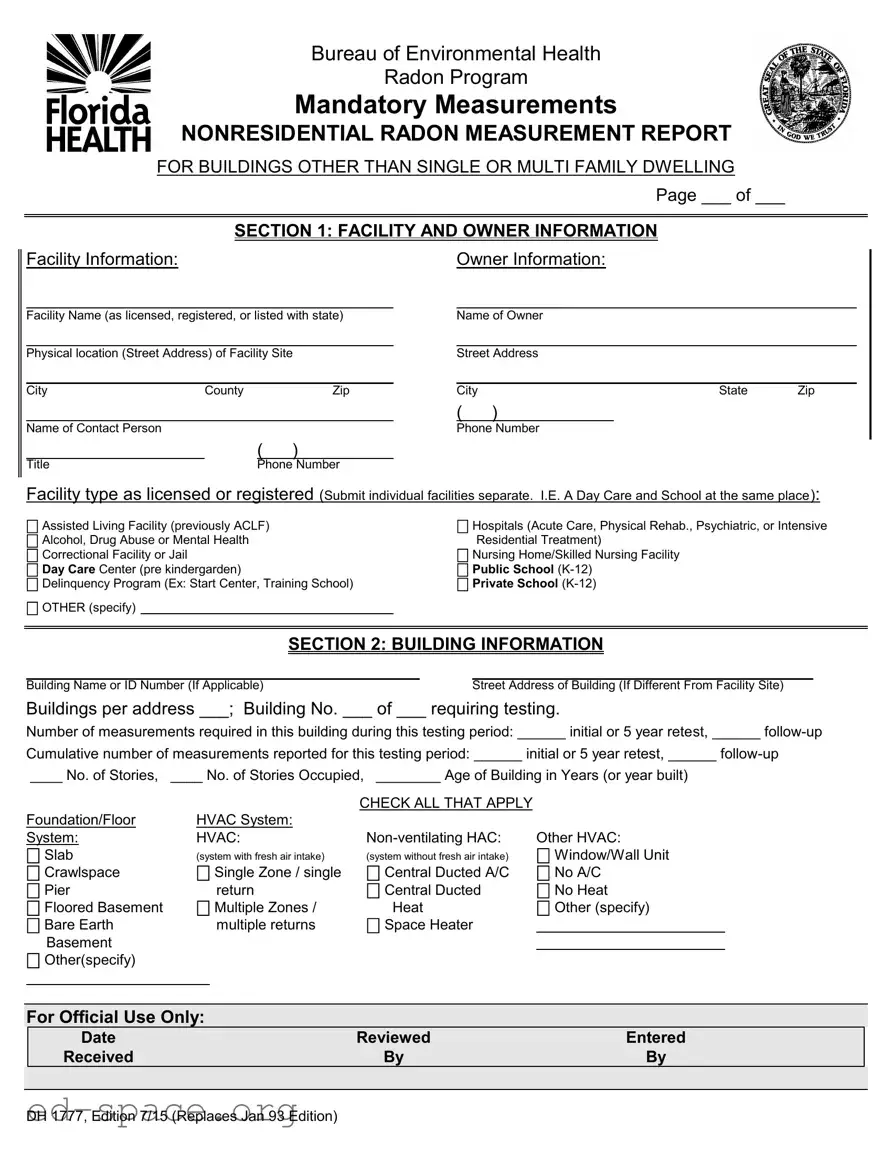
The Florida DH 1777 form serves as a crucial tool in the state's efforts to monitor and manage radon levels in nonresidential buildings. This form is specifically designed for various facility types, including hospitals, schools, nursing homes, and correctional facilities, ensuring that each type of building is appropriately assessed. It requires detailed information about the facility and its owner, such as names, addresses, and contact details, to facilitate effective communication and follow-up. Additionally, the form includes sections dedicated to building characteristics, including its age, foundation type, and HVAC system, which are vital for understanding potential radon exposure risks. Measurement results are meticulously documented, specifying the type of radon measurement conducted, the dates of testing, and the qualifications of the personnel involved in the assessment. By capturing this comprehensive data, the DH 1777 form not only aids in compliance with state regulations but also plays a significant role in safeguarding public health by ensuring that radon levels are monitored and managed effectively across various nonresidential settings.
Bureau of Environmental Health
Radon Program
Mandatory Measurements
NONRESIDENTIAL RADON MEASUREMENT REPORT
FOR BUILDINGS OTHER THAN SINGLE OR MULTI FAMILY DWELLING
Page ___ of ___
SECTION 1: FACILITY AND OWNER INFORMATION
Facility Information: |
Owner Information: |
Facility Name (as licensed, registered, or listed with state)
Physical location (Street Address) of Facility Site
City |
County |
Zip |
Name of Contact Person
Name of Owner
Street Address
City |
State |
Zip |
()
Phone Number
()
TitlePhone Number
Facility type as licensed or registered (Submit individual facilities separate. I.E. A Day Care and School at the same place):
Assisted Living Facility (previously ACLF) |
Hospitals (Acute Care, Physical Rehab., Psychiatric, or Intensive |
|
Alcohol, Drug Abuse or Mental Health |
Residential Treatment) |
|
Correctional Facility or Jail |
Nursing Home/Skilled Nursing Facility |
|
Day Care Center (pre kindergarden) |
Public School |
|
Delinquency Program (Ex: Start Center, Training School) |
Private School |
|
OTHER (specify) |
|
|
|
|
|
|
|
|
|
|
|
SECTION 2: BUILDING INFORMATION
Building Name or ID Number (If Applicable)Street Address of Building (If Different From Facility Site)
Buildings per address ___; Building No. ___ of ___ requiring testing.
Number of measurements required in this building during this testing period: ______ initial or 5 year retest, ______
Cumulative number of measurements reported for this testing period: ______ initial or 5 year retest, ______
____ No. of Stories, ____ No. of Stories Occupied, ________ Age of Building in Years (or year built)
Foundation/Floor
System:
Slab
Crawlspace
Pier
Floored Basement
Bare Earth Basement
Other(specify)
|
CHECK ALL THAT APPLY |
|
HVAC System: |
|
|
HVAC: |
Other HVAC: |
|
(system with fresh air intake) |
(system without fresh air intake) |
Window/Wall Unit |
Single Zone / single |
Central Ducted A/C |
No A/C |
return |
Central Ducted |
No Heat |
Multiple Zones / |
Heat |
Other (specify) |
multiple returns |
Space Heater |
|
|
||
|
|
|
For Official Use Only:
|
Date |
Reviewed |
Entered |
|
|
Received |
By |
By |
|
|
|
|
|
|
DH 1777, Edition 7/15 (Replaces Jan 93 Edition)
|
|
|
|
|
|
|
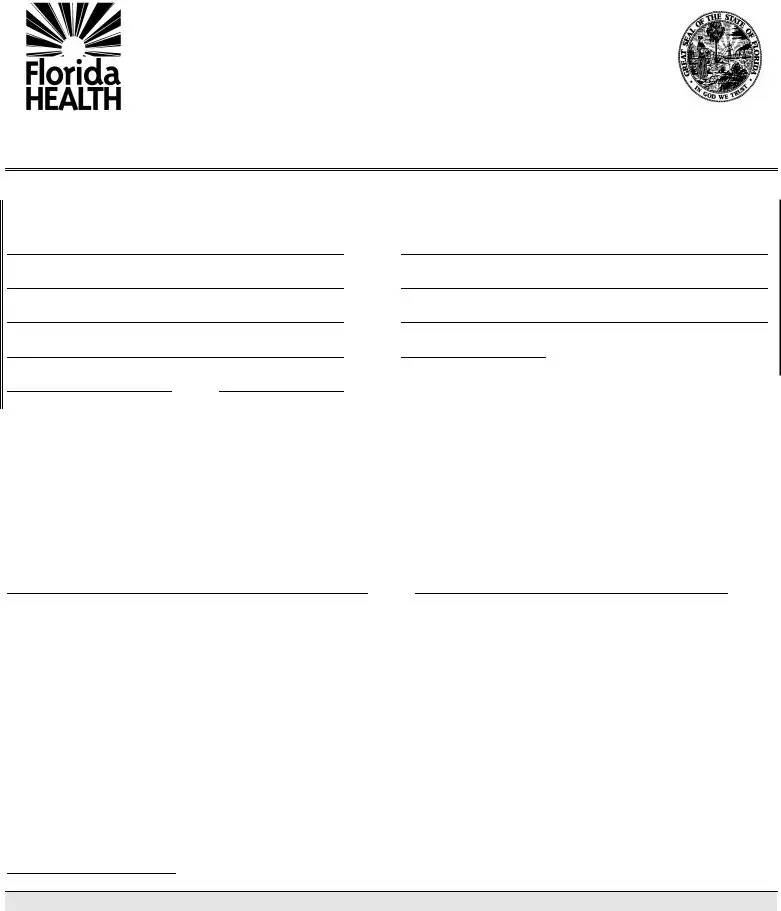
SECTION 3: RESULTS |
|
|
|
|
|||||
Measurement Type: Initial or 5 Year Retest, |
|
|
|
|
||||||||||||
Dates of Measurement: FROM |
/ / |
|
TO |
/ / |
|
|
|
|
|
|
||||||
|
|
|
|
|
|
|
|
|
|
|
|
|
||||
Name of Person who performed Measurement (Placed Device) |
|
† |
|
|
Certificate No. (If Applicable) |
|||||||||||
|
|
|
|
|
|
|
|
|
|
|
|
‡ |
||||
|
Story |
|
Room |
Result |
|
Units |
|
Device |
|
|
Time in Hours |
|||||
|
|
|
|
|
|
|
|
|
|
|
|
|
|
|
|
|
|
|
|
|
|
|
|
|
|
|
|
|
|
|
|
|
|
|
|
|
|
|
|
|
|
|
|
|
|
|
|
|
|
|
|
|
|
|
|
|
|
|
|
|
|
|
|
|
|
|
|
|
|
|
|
|
|
|
|
|
|
|
|
|
|
|
|
|
|
|
|
|
|
|
|
|
|
|
|
|
|
|
|
|
|
|
|
|
|
|
|
|
|
|
|
|
|
|
|
|
|
|
|
|
|
|
|
|
|
|
|
|
|
|
|
|
|
|
|
|
|
|
|
|
|
|
|
|
|
|
|
|
|
|
|
|
|
|
|
|
|
|
|
|
|
|
|
|
|
|
|
|
|
† P for pCi/L or W for WL
‡
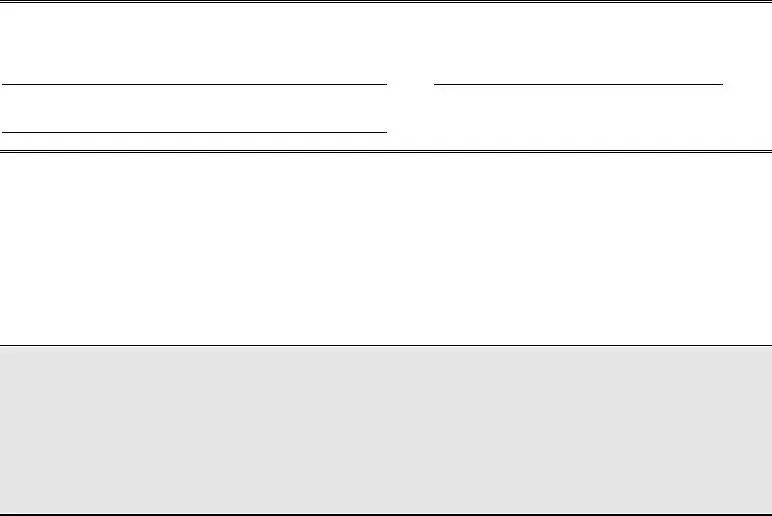
SECTION 4
COMPLETE ONLY IF MEASUREMENTS ARE PERFORMED BY A RADON MEASUREMENT BUSINESS
Name of Business and Cert. No. |
Name of Specialist and Cert. No. |
Signature of Specialist
SECTION 5
COMPLETE ONLY IF MEASUREMENTS ARE PERFORMED BY STAFF EMPLOYED BY THE FACILITY
I hereby certify that the Radon measurements reported herein have been performed in accordance with Chapter
Authorized Representative of Facility |
|
Date |
Upon completion of this form, send to:
Department of Health
Bureau of Environmental Health / Radon Program
4052 Bald Cypress Way, Bin #A12
Tallahassee, FL
You may scan the report and email it to [email protected]
For Assistance in Completing this Form call
| Fact Name | Fact Details |
|---|---|
| Form Purpose | The Florida DH 1777 form is used to report nonresidential radon measurements for buildings other than single or multi-family dwellings. |
| Governing Laws | This form is governed by Chapter 64E-5 of the Florida Administrative Code and Chapter 404 of the Florida Statutes. |
| Required Information | The form requires detailed information about the facility, including the facility name, address, owner information, and contact details. |
| Measurement Reporting | Results must include the type of measurement, dates, and the name of the person who performed the measurement, ensuring accountability. |
| Submission Process | Upon completion, the form must be submitted to the Department of Health, either by mail or via email to [email protected]. |
Filling out the Florida DH 1777 form is an important step in ensuring compliance with radon measurement regulations. Once completed, this form should be submitted to the appropriate department for processing. Below are the steps to guide you through the completion of the form.
What is the purpose of the Florida DH 1777 form?
The Florida DH 1777 form is designed for nonresidential radon measurement reporting. It is used to document radon levels in various types of facilities, such as hospitals, schools, and assisted living facilities. By measuring radon levels, the form helps ensure that these buildings maintain safe indoor air quality, protecting the health of occupants and staff.
Who is required to complete the DH 1777 form?
What information is needed to fill out the DH 1777 form?
To complete the DH 1777 form, you will need to provide detailed information about the facility and the building where measurements are taken. This includes the facility name, physical address, contact person, and owner details. Additionally, you must specify the type of facility, the building's age, foundation type, HVAC system details, and the results of the radon measurements. Accurate data is crucial for effective reporting and compliance.
How should the completed DH 1777 form be submitted?
Once the DH 1777 form is completed, it should be submitted to the Florida Department of Health's Bureau of Environmental Health. You can send the form by mail to the address provided on the form or scan it and email it to [email protected]. For any questions or assistance with the form, you can call the designated helpline at 1-800-543-8279.
Incomplete Facility Information: Failing to provide all required details about the facility, such as the facility name, physical address, and owner information, can lead to delays or rejections of the form.
Incorrect Facility Type Selection: Selecting the wrong facility type can result in improper categorization. Ensure that the facility type accurately reflects the nature of the establishment.
Missing Measurement Details: Not specifying the number of measurements required or the cumulative number reported can create confusion. Always include these details for clarity.
Omitting HVAC System Information: Failing to check all applicable HVAC system options can lead to an incomplete assessment. This information is crucial for understanding the building's air circulation.
Errors in Measurement Dates: Providing incorrect dates for the measurement period can invalidate the results. Double-check the dates to ensure accuracy.
Neglecting Signatures: Not obtaining the necessary signatures from the authorized representative or the measurement specialist can result in the form being considered incomplete. Ensure all required signatures are present before submission.
The Florida DH 1777 form is essential for documenting radon measurements in nonresidential buildings. However, several other forms and documents often accompany this report to ensure compliance with health and safety regulations. Below is a list of these documents, each serving a specific purpose in the radon measurement and reporting process.
These documents work together to create a comprehensive approach to radon measurement and mitigation. Understanding each form's role can help ensure that facilities maintain a safe environment for occupants and comply with state regulations.
The Florida DH 1777 form is a nonresidential radon measurement report. It shares similarities with several other legal documents related to health and safety regulations. Below are six documents that are comparable to the DH 1777 form, along with their specific similarities:
When filling out the Florida DH 1777 form, attention to detail is crucial. Here are some important do's and don'ts to keep in mind:
Following these guidelines can help ensure that your form is processed smoothly. It’s always a good idea to double-check your entries before submission. If you have any questions, consider reaching out for assistance.
Understanding the Florida DH 1777 form is crucial for those involved in nonresidential radon measurement. However, several misconceptions can lead to confusion. Here are five common misunderstandings:
Being informed about these misconceptions can help ensure compliance and enhance safety in nonresidential buildings. Understanding the requirements and processes associated with the DH 1777 form is essential for all stakeholders involved.
The Florida DH 1777 form is essential for documenting radon measurements in nonresidential buildings. Here are key takeaways to consider when filling out and using this form:
Completing the Florida DH 1777 form accurately is crucial for compliance with state regulations regarding radon testing in nonresidential buildings.