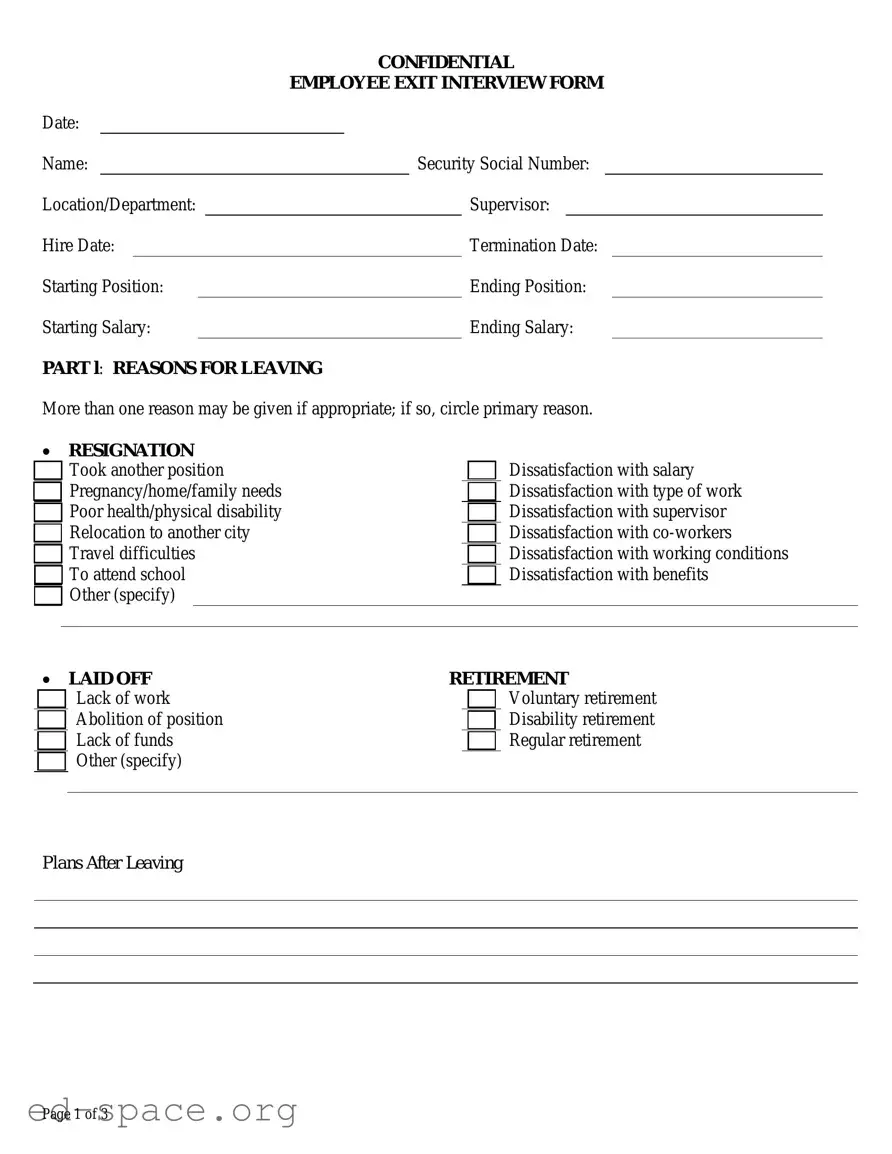
When an employee decides to leave a company, an exit interview form serves as a valuable tool for both the employer and the departing employee. This form typically includes sections that encourage honest feedback about the employee's experience within the organization. Key aspects often covered include reasons for leaving, job satisfaction, and suggestions for improvement. Additionally, the form may ask about the work environment, relationships with colleagues, and overall company culture. By completing this form, employees can share insights that may help enhance the workplace for current and future staff members. Employers, in turn, gain a better understanding of potential issues that could affect retention and employee morale. Ultimately, the exit interview form fosters a two-way conversation that can lead to positive changes within the organization.

CONFIDENTIAL
EMPLOYEE EXIT INTERVIEW FORM
Date: |
|
|
|
|
|
|
|
|||
Name: |
|
|
Security Social Number: |
|
||||||
Location/Department: |
|
|
|
Supervisor: |
|
|||||
Hire Date: |
|
|
|
Termination Date: |
|
|||||
Starting Position: |
|
|
|
Ending Position: |
|
|||||
Starting Salary: |
|
|
|
Ending Salary: |
|
|||||
PART l: REASONS FOR LEAVING |
|
|
|
|
|
|
||||
More than one reason may be given if appropriate; if so, circle primary reason.
|
|
RESIGNATION |
|
|
|
|
|
Took another position |
|
Dissatisfaction with salary |
|
|
|
Pregnancy/home/family needs |
|
Dissatisfaction with type of work |
|
|
|
Poor health/physical disability |
|
Dissatisfaction with supervisor |
|
|
|
Relocation to another city |
|
Dissatisfaction with |
|
|
|
Travel difficulties |
|
Dissatisfaction with working conditions |
|
|
|
To attend school |
|
Dissatisfaction with benefits |
|
|
|
Other (specify) |
|
|
|
|
|
|
|
|
|
|
|
LAID OFF |
RETIREMENT |
||
|
|
Lack of work |
|
|
Voluntary retirement |
|
|
Abolition of position |
|
|
Disability retirement |
|
|
Lack of funds |
|
|
Regular retirement |
|
|
Other (specify) |
|
|
|
|
|
|
|
|
|
Plans After Leaving
Page 1 of 3
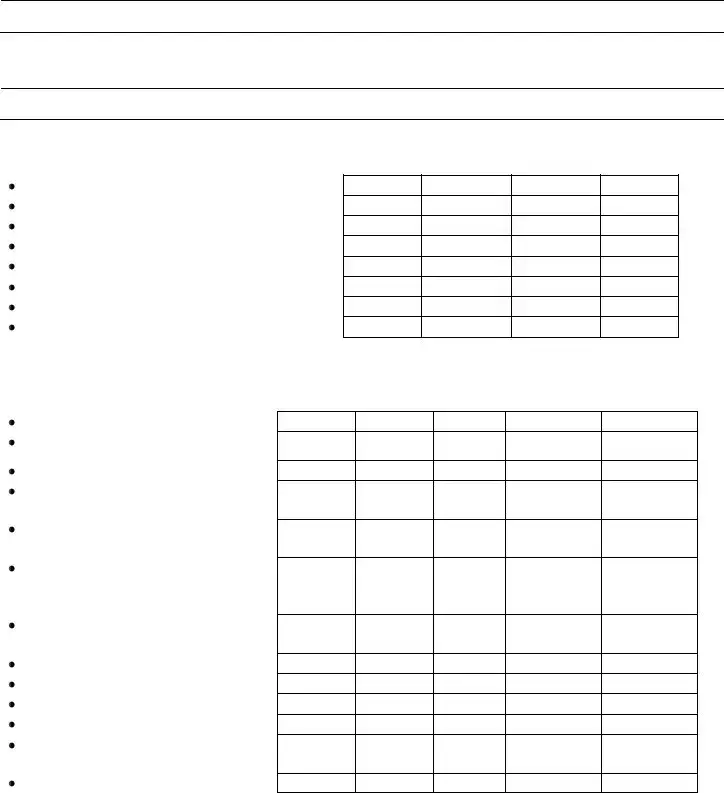
PART ll: COMMENTS/SUGGESTIONS FOR IMPROVEMENT
We are interested in what our employees have to say about their work experience with us. Please complete this form.
1.What did you like most about your job?
2.What did you like least about your job?
3.How did you feel about the pay and benefits?
Excellent Good Fair Poor
Rate of pay for your job
Paid holidays
Paid vacations
Retirement plan
Medical coverage for self
Medical coverage for dependents
Life insurance
Sick leave
4. How did you feel about the following:
Very |
Slightly |
Slightly |
Very |
Satisfied |
Satisfied |
Neutral Dissatisfied |
Dissatisfied |
Opportunity to use your abilities
Recognition for the work you did
Training you received
Your supervisor’s management methods
The opportunity to talk with your supervisor
The information you received on policies, programs, projects and problems
The information you received on departmental structure Promotion policies and practices Discipline policies and practices Job transfer policies and practices Overtime policies and practices Performance review policies and practices
Physical working conditions
Page 2 of 3

COMMENTS:
5.a) If you are taking another job, what kind of work will you be doing?
b)What has your new place of employment offered you that is more attractive than your present job?
6.Could we have made any improvements that might have influenced you to stay on the job?
Other remarks (optional):
_____________________________________________________ |
__________________________ |
|
|
Employee’s Signature |
Date |
DO NOT WRITE BELOW THIS LINE. OFFICE USE ONLY. |
|
|
( ) Discussed with employee |
|
|
( |
) Right to file for unemployment benefits |
|
( |
) Conversion of benefits |
|
( |
) If retiring, state option for payment of unused leave ____________________________________________ |
|
______________________________________________________ |
__________________________ |
|
|
Interviewer’s Signature |
Date |
Page 3 of 3
| Fact Name | Description |
|---|---|
| Purpose | The Exit Interview form is designed to gather feedback from employees who are leaving a company. This information can help improve workplace conditions and retention rates. |
| Confidentiality | Responses provided in the Exit Interview are typically kept confidential. This encourages honesty and openness from departing employees. |
| Timing | It is generally recommended that the Exit Interview be conducted shortly before the employee's departure. This ensures that their experiences and insights are fresh and relevant. |
| State-Specific Forms | Some states may have specific requirements regarding the Exit Interview process. For instance, California requires employers to provide a written notice of the employee's rights during the exit process. |
| Feedback Utilization | Companies often use the feedback collected from Exit Interviews to identify trends and areas for improvement. This can lead to changes in management practices or company policies. |
| Legal Considerations | While there are no federal laws governing Exit Interviews, employers must ensure that the process complies with state labor laws and anti-discrimination regulations. |
After completing the Exit Interview form, your responses will be reviewed by the appropriate personnel. This process helps the organization understand your experiences and insights, which can lead to improvements in the workplace. Once you submit the form, you will receive confirmation that it has been received and is under consideration.
What is an Exit Interview form?
An Exit Interview form is a document used by employers to gather feedback from employees who are leaving the company. It typically includes questions about the employee's experience, reasons for leaving, and suggestions for improvement. The goal is to understand the employee's perspective and gain insights that can help enhance the workplace for current and future employees.
Why is it important to complete the Exit Interview form?
Completing the Exit Interview form is important for several reasons. It provides the employer with valuable feedback that can lead to positive changes within the organization. Additionally, it allows departing employees to voice their opinions and experiences, which can be cathartic. This process can also help maintain a positive relationship between the employee and the company, which may be beneficial for future networking or references.
What types of questions can I expect on the Exit Interview form?
The Exit Interview form may include a variety of questions. You might find inquiries about your overall job satisfaction, relationships with colleagues and supervisors, and reasons for leaving. There may also be open-ended questions that allow you to provide detailed feedback on what you liked or disliked about your job. Expect questions that encourage you to share your thoughts on the company culture and any suggestions for improvement.
Is my feedback confidential?
Yes, your feedback is typically treated with confidentiality. Employers understand the sensitivity of the information shared during an Exit Interview. While the company may use your feedback for improvement, they usually do not disclose your specific comments or identity in any reports or discussions. However, it’s always a good idea to ask about confidentiality policies if you have concerns.
What happens after I submit the Exit Interview form?
After you submit the Exit Interview form, the information is usually reviewed by HR or management. They may analyze the feedback to identify trends or areas that need attention. Depending on the company’s policies, you might not receive direct feedback on your comments, but your insights can contribute to changes that enhance the workplace for others. Some companies may even follow up with you if they have further questions or need clarification.
Inadequate or Vague Responses: Employees often provide answers that lack detail. This can lead to misunderstandings about their experiences. Specific feedback helps organizations improve.
Skipping Questions: Some individuals may overlook certain questions or sections. Each part of the form is designed to gather important insights. Omitting responses can result in incomplete data.
Being Overly Negative: While it’s important to express concerns, focusing solely on negative experiences can skew the feedback. Balanced comments, including positive aspects, provide a fuller picture.
Failure to Review Before Submission: Rushing through the form can lead to errors or unclear statements. Taking a moment to review responses ensures clarity and accuracy, enhancing the value of the feedback.
When an employee leaves an organization, several documents may accompany the Exit Interview form to ensure a smooth transition. Each of these forms serves a specific purpose and helps facilitate the exit process for both the employee and the employer. Below are some of the commonly used documents.
These documents work together to create a comprehensive exit process, ensuring that both the employee and employer can part ways amicably and with clarity. By understanding the purpose of each form, organizations can foster a respectful and organized departure experience.
The Exit Interview form serves a specific purpose in the employee termination process, but it shares similarities with several other documents. Here are four documents that are comparable to the Exit Interview form:
Completing an exit interview form can be a crucial step in your transition from one job to another. Here are ten important dos and don’ts to keep in mind while filling out this form.
When it comes to exit interviews, many people hold misconceptions that can lead to misunderstandings. Here are four common misconceptions:
Understanding these misconceptions can help employees approach exit interviews with a clearer perspective. It's important to remember that these discussions can be constructive for both parties.
When completing and utilizing the Exit Interview form, keep these key points in mind:
These takeaways can help ensure that your exit interview experience is beneficial for both you and the organization.