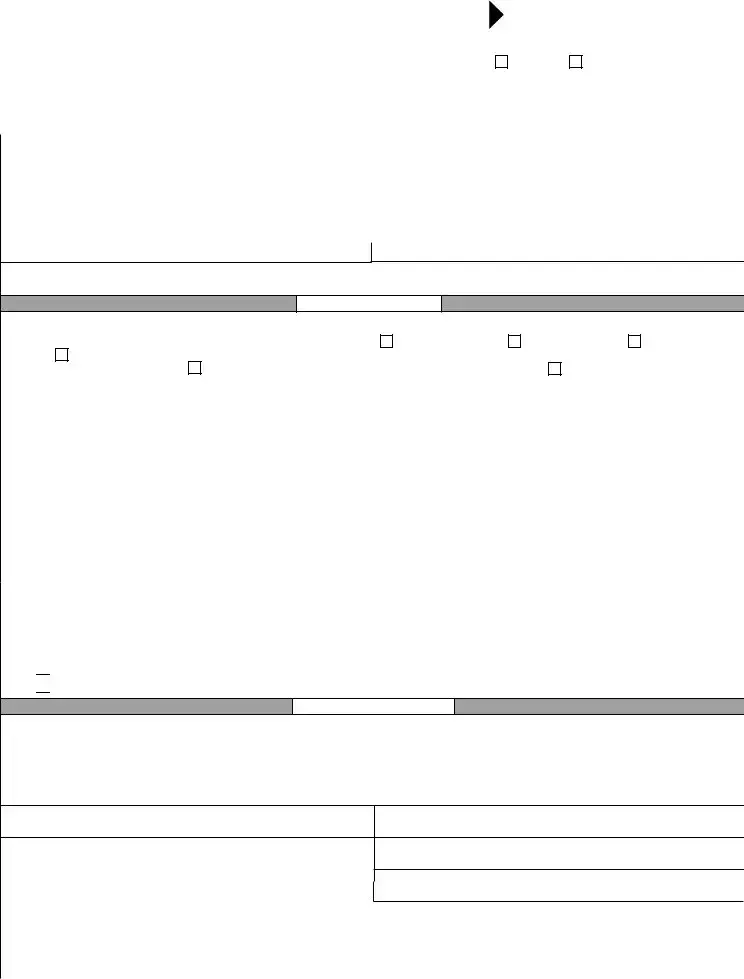
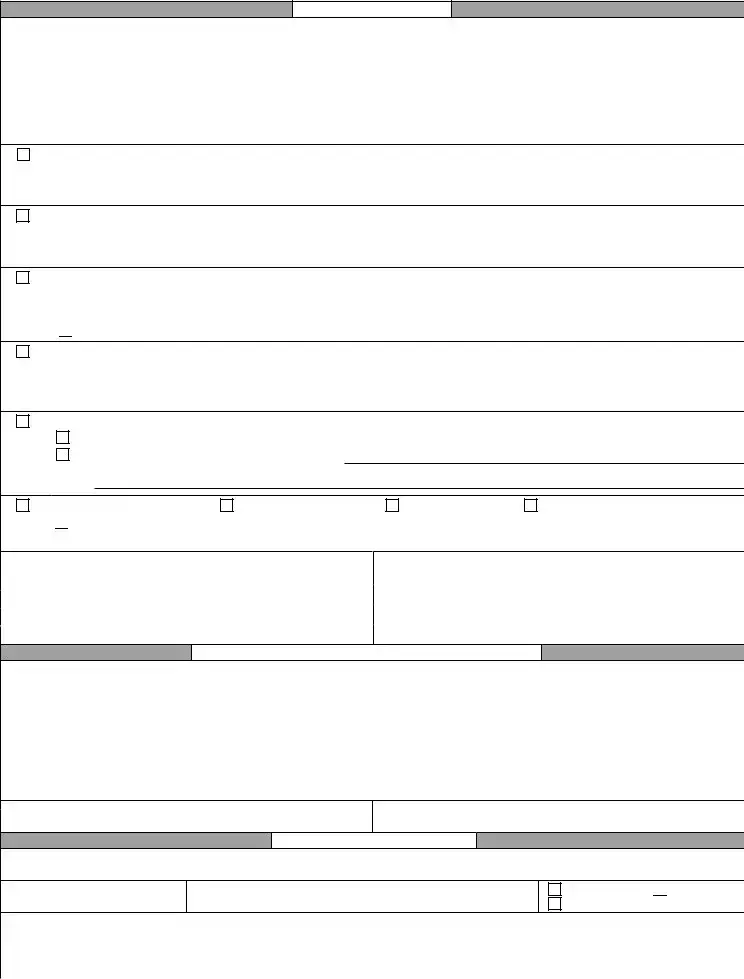
The Driving Privileges Letter in North Carolina is a crucial document for individuals who have faced certain driving offenses, particularly those related to impaired driving, open container violations, or underage alcohol offenses. This form serves as a court-issued limited driving privilege, allowing defendants to regain some driving rights under specific conditions after their license has been revoked. The form outlines essential details such as the defendant's personal information, the nature of the offense, and the findings that the court must consider before granting this privilege. Key requirements include a valid or recently expired driver's license at the time of the offense, no prior impaired driving convictions within the last seven years, and the completion of a substance abuse assessment. The court also ensures that the defendant is financially responsible, which is documented through additional forms. Once granted, this limited privilege comes with strict restrictions, such as prohibiting alcohol consumption while driving and limiting driving times and purposes. Understanding these aspects is vital for anyone navigating the complexities of driving privileges in North Carolina.
STATE OF NORTH CAROLINA |
|
|
File No. |
|
|
||||
|
|
|
|
|
|||||
|
|
|
|
|
|
|
|
|
|
|
|
|
|
County |
|
|
In The General Court Of Justice |
||
|
|
|
|
|
|
District |
Superior Court Division |
||
|
|
|
|
|
|
||||
|
|
|
|
|
|
|
|
|
|
|
|
STATE VERSUS |
|
LIMITED DRIVING PRIVILEGE |
|||||
Name And Address Of Defendant |
|
|
|
||||||
|
|
|
|
|
|
IMPAIRED DRIVING OR |
|||
|
|
|
|
|
|
OPEN CONTAINER |
|||
|
|
|
|
|
|
||||
|
|
|
|
|
|
OR UNDERAGE ALCOHOL VIOLATION |
|||
|
|
|
|
(N.C. CONVICTIONS ONLY) |
|||||
Race |
Sex |
Height |
Weight |
||||||
|
|
|
|
|
|
|
G.S. |
||
Hair Color |
Eye Color |
Date Of Birth |
|
Drivers License No. |
|
State |
|||
|
|
|
|
|
|
|
|
|
|
|
|
|
|
|
|
|
|
|
|
Date Of Offense |
|
|
|
|
Date Of Conviction |
|
|
||
NOTE: Use
FINDINGS
Upon application of the defendant for a limited driving privilege, the Court finds that: |
|
|
|
|||
1. The defendant has been convicted of impaired driving under |
G.S. |
G.S. |
G.S. |
|||
or |
the defendant has been convicted of a second or subsequent offense of transporting an open container of alcoholic beverage |
|||||
under G.S. |
the defendant has been convicted under G.S. |
the defendant has been |
||||
convicted under G.S. |
|
|
|
|
||
2.At the time of the offense, the applicant held either a valid drivers license or a license that had been expired for less than one (1) year;
3.At the time of the offense, the defendant had not within the preceding seven (7) years been convicted of an offense involving impaired driving;
4.Punishment level three, four, or five has been imposed upon the defendant for the offense of impaired driving, or the defendant has been convicted under G.S.
5.Subsequent to the offense, the defendant has not been convicted of, or had an unresolved charge lodged against the defendant for, an offense involving impaired driving;
6.The records of the Division of Motor Vehicles and the Clerk of Superior Court in this county have been searched, and there are no other revocations in effect at this time;
7.The defendant has obtained and filed with the court a substance abuse assessment;
8.If convicted only under G.S.
9. a. The Court has been furnished a properly executed form
b. The defendant has executed form
ORDER
It is ORDERED that the defendant be allowed a limited driving privilege to be effective on the date indicated below to be used in accordance with the restrictions imposed on the reverse of this form, and to expire one year from the date on which the Division of Motor Vehicles revokes the defendant's drivers license pursuant to G.S.
Effective Date
NOTE TO DEFENDANT: This privilege is no longer valid after the revocation period for the offense of which you were convicted has ended, or if your drivers license remains revoked solely because the Division of Motor Vehicles has not obtained a certificate of your completion of a substance abuse treatment program or an alcohol and drug education traffic school.
Date
Signature Of Judge
Name Of Judge (Type Or Print)
Original - File Certified Copy - Applicant Copy - DMV |
||
(Over) |
||
© 2015 Administrative Office of the Courts |
||
|
RESTRICTIONS
The driver shall not drink alcohol while driving or drive while any alcohol remains in his/her body. The driver shall not drive while having a controlled substance in his/her body unless such controlled substance was lawfully obtained and taken in therapeutically approved amounts. This limited driving privilege DOES NOT include the privilege of operating a commercial motor vehicle as defined in G.S.
Driving other than for emergency medical care is permitted only as follows: (check only applicable boxes.)
1. Driving is permitted for
2. Driving is permitted for maintenance of household during standard working hours as follows:
3. Driving is permitted for
The driver is self employed and the required documentation for
4.Driving is permitted for community service assignment, Alcohol and Drug Education Traffic School, and substance abuse assessment or treatment as follows:
5. Driving is restricted to:
a. any
6.Additional restrictions: Other:
Corrective Lenses |
45 M.P.H. Only |
Daylight Only |
Name And Address Of ADET School, Community Service Coordinator, Or Mental Health Treatment Facility To Which Driver Assigned
Name And Address Of Employer Or Driver's Place Of Work
NOTICE/ACKNOWLEDGMENT OF RECEIPT
I have received a copy of this limited driving privilege which contains the restrictions on my driving privilege. I understand that if I drive with the odor of alcohol on my breath, I may be subject to arrest and loss of this limited driving privilege; I understand that this is my limited license to drive; that I must keep it in my possession during the period of revocation; that if my drivers license is revoked for any other reason, this limited driving privilege is invalid; that a violation of any restriction imposed in connection with this limited driving privilege constitutes the offense of driving while license revoked under G.S.
failure may also result in other action authorized by law for violation of a condition of probation.
Date |
Signature Of Defendant |
CERTIFICATION
I certify that this is a true and complete copy of the original on file in this case.
Date
Signature
Deputy CSC Clerk Of Superior Court
Assistant CSC
© 2015 Administrative Office of the Courts
| Fact Name | Fact Description |
|---|---|
| Governing Laws | This form is governed by North Carolina General Statutes G.S. 20-17.3, G.S. 20-179.3, G.S. 20-138.3(d), and G.S. 20-138.7(h). |
| Eligibility Criteria | To qualify for a limited driving privilege, the defendant must have a valid or recently expired driver's license and meet specific conviction criteria. |
| Substance Abuse Assessment | A substance abuse assessment must be obtained and filed with the court as part of the application process for limited driving privileges. |
| Restrictions on Driving | Drivers must adhere to restrictions, including not consuming alcohol while driving and only operating non-commercial vehicles. |
| Duration of Privilege | The limited driving privilege is effective for one year from the date of the driver's license revocation. |
| Emergency Driving | Driving is permitted for emergency medical care at any time, regardless of standard working hours. |
| Consequences of Violation | Violating any restrictions can result in additional penalties, including the offense of driving while license revoked under G.S. 20-28. |
Completing the Driving Privileges Letter in North Carolina involves a series of steps that require careful attention to detail. It is essential to ensure that all information is accurate and complete, as this document plays a significant role in obtaining limited driving privileges. Below are the steps to guide you through the process of filling out the form.
Once the form is completed, it is important to file it with the appropriate court and ensure that all parties involved receive their copies. Following these steps carefully will help facilitate the process of obtaining limited driving privileges in North Carolina.
What is the Driving Privileges Letter in North Carolina?
The Driving Privileges Letter is a legal document issued by the court that grants limited driving privileges to individuals whose driver's licenses have been revoked due to specific offenses, such as impaired driving or underage alcohol violations. This privilege allows the individual to drive under certain conditions, which are outlined in the document.
Who is eligible to apply for a limited driving privilege?
To be eligible, the applicant must meet several criteria. They must have been convicted of impaired driving or specific alcohol-related offenses, hold a valid or recently expired driver's license at the time of the offense, and not have any prior impaired driving convictions in the last seven years. Additionally, they must have completed a substance abuse assessment and demonstrate financial responsibility.
What restrictions come with a limited driving privilege?
When granted a limited driving privilege, the individual must adhere to various restrictions. They cannot consume alcohol while driving or have any alcohol in their system. Driving under the influence of controlled substances is also prohibited unless those substances were legally obtained and taken as prescribed. Furthermore, the privilege does not extend to operating commercial vehicles, and driving is generally limited to specific times for work, education, or religious purposes.
How long does a limited driving privilege last?
The limited driving privilege remains valid for one year from the date the Division of Motor Vehicles revokes the driver's license. However, it becomes invalid if the revocation period ends or if the driver's license is revoked for other reasons, such as failure to complete a required substance abuse program.
What happens if I violate the restrictions of my limited driving privilege?
Violating any restriction imposed by the limited driving privilege can lead to serious consequences. Such violations may result in being charged with driving while license revoked, which carries its own penalties. Additionally, failure to comply with community service requirements or other court-ordered conditions can lead to the revocation of the limited driving privilege.
How can I ensure compliance with the limited driving privilege?
To comply with the terms of your limited driving privilege, it is essential to keep a copy of the document with you while driving. Be aware of all restrictions, including the times and purposes for which you are allowed to drive. Regularly check in with any required assessments or community service obligations, and maintain any necessary financial responsibility to avoid complications.
Filling out the Driving Privileges Letter in North Carolina can be a complex process. Here are nine common mistakes that individuals often make when completing this form:
By being aware of these common pitfalls, individuals can better navigate the process and increase their chances of obtaining a limited driving privilege in North Carolina.
The Driving Privileges Letter in North Carolina is an essential document for individuals seeking limited driving rights after certain driving-related offenses. Alongside this form, several other documents are often required to facilitate the process and ensure compliance with legal standards. Below is a list of related forms and documents.
Understanding these documents can significantly impact the outcome of a limited driving privilege application. Properly completing and submitting them ensures compliance with legal requirements and facilitates a smoother process for regaining driving privileges.
When filling out the Driving Privileges Letter form in North Carolina, it's essential to follow specific guidelines to ensure the process goes smoothly. Here are ten things to keep in mind:
This form grants a limited driving privilege, which comes with specific restrictions. Drivers must adhere to these limitations, such as only driving during designated hours and for approved purposes.
Not everyone is eligible. Applicants must meet certain criteria, including having a valid or recently expired driver's license and not having prior impaired driving convictions within a specified timeframe.
The court must review the application and make findings based on the defendant's driving history and compliance with legal requirements before granting this privilege.
A limited driving privilege is not equivalent to a full license. It comes with specific restrictions that must be followed, and violating these can lead to further legal consequences.
This privilege is temporary and expires after one year or when the underlying license revocation period ends. Drivers must remain compliant during this time to maintain their privileges.
Driving is only permitted for specific purposes such as work, education, or medical emergencies. Any other driving is not allowed and could result in penalties.
Applicants must demonstrate financial responsibility, which may include filing forms like DL-123. This ensures that the driver can cover any potential liabilities while operating a vehicle.
If a driver's license is revoked for any reason other than the specified offenses, the limited driving privilege becomes invalid. This includes any new charges or violations that arise during the privilege period.
When filling out and using the Driving Privileges Letter in North Carolina, consider the following key takeaways: