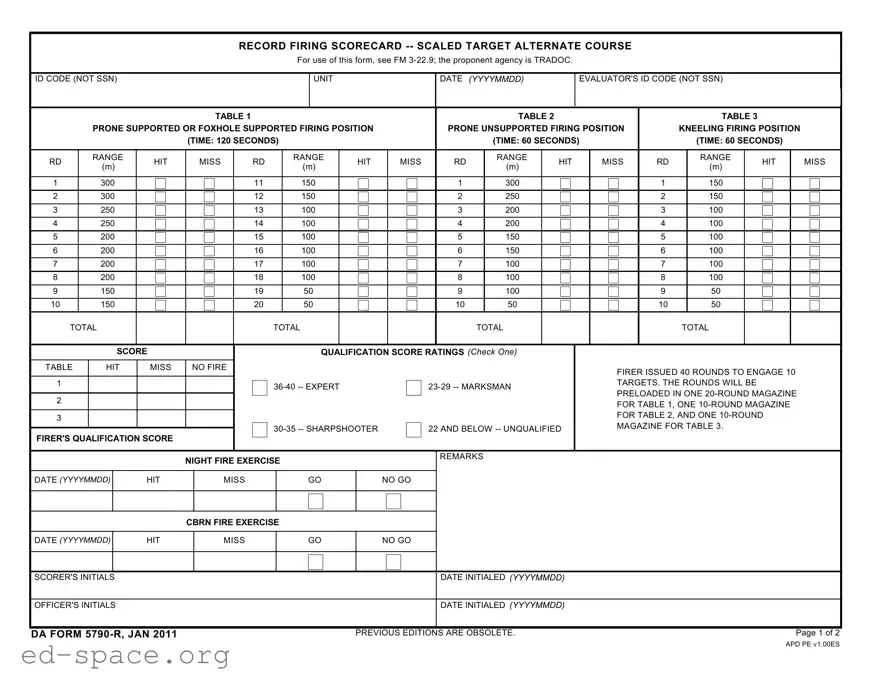
The DA 5790 R form serves as a critical tool for scoring and documenting record fire qualifications using scaled targets in alternate courses. This form is specifically designed for situations where standard firing ranges are unavailable, allowing military personnel to maintain their shooting proficiency under varied conditions. It includes sections for recording essential data such as the unit, evaluator's ID, and various firing positions, including prone supported, prone unsupported, and kneeling. Each table on the form outlines the specific requirements for engaging targets at various distances, with set time limits for completion. Scoring is based on the number of hits achieved against the total rounds fired, with detailed guidelines on how to engage targets effectively. The form also provides space for additional exercises, such as night fire and CBRN fire exercises, ensuring comprehensive documentation of a firer's qualifications. By standardizing the evaluation process, the DA 5790 R form plays a vital role in ensuring that military personnel meet the necessary shooting standards and maintain readiness for operational demands.
RECORD FIRING SCORECARD
For use of this form, see FM
ID CODE (NOT SSN) |
UNIT |
DATE (YYYYMMDD) |
|
EVALUATOR'S ID CODE (NOT SSN) |
|
|
|
|
|
|
|
|
|
|
|
|
|
|
|
|
|
|
|
TABLE 1 |
|
|
|
|
|
|
|
|
|
|
|
TABLE 2 |
|
|
|
|
|
TABLE 3 |
|
|
|
|||
|
|
PRONE SUPPORTED OR FOXHOLE SUPPORTED FIRING POSITION |
|
|
|
PRONE UNSUPPORTED FIRING POSITION |
|
KNEELING FIRING POSITION |
|
|||||||||||||||||||||
|
|
|
|
|
(TIME: 120 SECONDS) |
|
|
|
|
|
|
(TIME: 60 SECONDS) |
|
|
|
(TIME: 60 SECONDS) |
|
|||||||||||||
|
|
|
|
|
|
|
|
|
|
|
|
|
|
|
|
|
|
|
|
|
|
|
|
|
|
|
|
|
|
|
RD |
|
RANGE |
HIT |
|
MISS |
|
RD |
|
|
RANGE |
|
HIT |
|
MISS |
|
RD |
|
RANGE |
|
HIT |
MISS |
RD |
|
RANGE |
|
HIT |
|
MISS |
||
|
(m) |
|
|
|
|
(m) |
|
|
|
|
(m) |
|
|
(m) |
|
|
||||||||||||||
|
|
|
|
|
|
|
|
|
|
|
|
|
|
|
|
|
|
|
|
|
|
|
|
|
|
|||||
|
|
|
|
|
|
|
|
|
|
|
|
|
|
|
|
|
|
|
|
|
|
|
|
|
|
|
|
|
||
1 |
300 |
|
|
|
|
11 |
|
|
150 |
|
|
|
|
1 |
|
300 |
|
|
|
|
1 |
|
150 |
|
|
|
|
|||
|
|
|
|
|
|
|
|
|
|
|
|
|
|
|
|
|
|
|
|
|
|
|
|
|
|
|
|
|
|
|
2 |
300 |
|
|
|
|
12 |
|
|
150 |
|
|
|
|
2 |
|
250 |
|
|
|
|
2 |
|
150 |
|
|
|
|
|||
|
|
|
|
|
|
|
|
|
|
|
|
|
|
|
|
|
|
|
|
|
|
|
|
|
|
|
|
|
|
|
3 |
250 |
|
|
|
|
13 |
|
|
100 |
|
|
|
|
3 |
|
200 |
|
|
|
|
3 |
|
100 |
|
|
|
|
|||
|
|
|
|
|
|
|
|
|
|
|
|
|
|
|
|
|
|
|
|
|
|
|
|
|
|
|
|
|
|
|
4 |
250 |
|
|
|
|
14 |
|
|
100 |
|
|
|
|
4 |
|
200 |
|
|
|
|
4 |
|
100 |
|
|
|
|
|||
|
|
|
|
|
|
|
|
|
|
|
|
|
|
|
|
|
|
|
|
|
|
|
|
|
|
|
|
|
|
|
5 |
200 |
|
|
|
|
15 |
|
|
100 |
|
|
|
|
5 |
|
150 |
|
|
|
|
5 |
|
100 |
|
|
|
|
|||
|
|
|
|
|
|
|
|
|
|
|
|
|
|
|
|
|
|
|
|
|
|
|
|
|
|
|
|
|
|
|
6 |
200 |
|
|
|
|
16 |
|
|
100 |
|
|
|
|
6 |
|
150 |
|
|
|
|
6 |
|
100 |
|
|
|
|
|||
|
|
|
|
|
|
|
|
|
|
|
|
|
|
|
|
|
|
|
|
|
|
|
|
|
|
|
|
|
|
|
7 |
200 |
|
|
|
|
17 |
|
|
100 |
|
|
|
|
7 |
|
100 |
|
|
|
|
7 |
|
100 |
|
|
|
|
|||
|
|
|
|
|
|
|
|
|
|
|
|
|
|
|
|
|
|
|
|
|
|
|
|
|
|
|
|
|
|
|
8 |
200 |
|
|
|
|
18 |
|
|
100 |
|
|
|
|
8 |
|
100 |
|
|
|
|
8 |
|
100 |
|
|
|
|
|||
|
|
|
|
|
|
|
|
|
|
|
|
|
|
|
|
|
|
|
|
|
|
|
|
|
|
|
|
|
|
|
9 |
150 |
|
|
|
|
19 |
|
|
50 |
|
|
|
|
9 |
|
100 |
|
|
|
|
9 |
|
50 |
|
|
|
|
|||
|
|
|
|
|
|
|
|
|
|
|
|
|
|
|
|
|
|
|
|
|
|
|
|
|
|
|
|
|
|
|
10 |
150 |
|
|
|
|
20 |
|
|
50 |
|
|
|
|
10 |
|
50 |
|
|
|
|
10 |
|
50 |
|
|
|
|
|||
|
|
|
|
|
|
|
|
|
|
|
|
|
|
|
|
|
|
|
|
|
|
|
|
|
|
|
|
|
|
|
TOTAL |
|
|
|
|
|
TOTAL |
|
|
|
|
|
|
TOTAL |
|
|
|
|
|
TOTAL |
|
|
|
|
|||||||
|
|
|
|
|
|
|
|
|
|
|
|
|
|
|
|
|
|
|
|
|
|
|
|
|
|
|
|
|||
|
|
|
SCORE |
|
|
|
|
|
|
QUALIFICATION SCORE RATINGS (CHECK ONE) |
|
|
|
|
|
|
|
|
|
|
||||||||||
|
|
|
|
|
|
|
|
|
|
|
|
|
|
|
|
|
|
|
|
|
|
|
|
|
|
|
|
|
||
TABLE |
|
HIT |
MISS |
NO FIRE |
|
|
|
|
|
|
|
|
|
|
|
|
|
|
|
|
FIRER ISSUED 40 ROUNDS TO ENGAGE 10 |
|
||||||||
|
|
|
|
|
|
|
|
|
|
|
|
|
|
|
|
|
|
|
|
|
|
|
|
|||||||
1 |
|
|
|
|
|
|
|
|
|
|
|
|
|
TARGETS. THE ROUNDS WILL BE |
|
|
|
|||||||||||||
|
|
|
|
|
|
|
|
|
|
|
|
|
|
PRELOADED IN ONE |
|
|||||||||||||||
2 |
|
|
|
|
|
|
|
|
|
|
|
|
|
|
|
|
|
|
|
|
|
|
|
|||||||
|
|
|
|
|
|
|
|
|
|
|
|
|
|
|
|
|
|
|
|
|
|
FOR TABLE 1, ONE |
|
|||||||
|
|
|
|
|
|
|
|
|
|
|
|
|
|
|
|
|
|
|
|
|
|
|
|
|||||||
3 |
|
|
|
|
|
|
|
|
|
|
|
|
|
|
|
|
|
|
|
|
|
|
FOR TABLE 2, AND ONE |
|
||||||
|
|
|
|
|
|
|
|
|
|
|
|
|
|
|
|
|
|
|
|
|
|
|
|
|
|
|
|
|
|
|
|
|
|
|
|
|
|
|
|
|
|
22 AND BELOW |
|
MAGAZINE FOR TABLE 3. |
|
|
|
||||||||||||||
|
|
|
|
|
|
|
|
|
|
|
|
|
|
|
||||||||||||||||
|
|
|
|
|
|
|
|
|
|
|
|
|
|
|
|
|
|
|
|
|||||||||||
FIRER'S QUALIFICATION SCORE |
|
|
|
|
|
|
|
|
|
|
|
|
|
|
|
|
|
|
|
|
|
|
|
|
|
|
||||
|
|
|
|
|
|
|
|
|
|
|
|
|
|
|
|
|
|
|
|
|
|
|
|
|
|
|
|
|||
|
|
|
|
|
NIGHT FIRE EXERCISE |
|
|
|
|
REMARKS |
|
|
|
|
|
|
|
|
|
|
||||||||||
|
|
|
|
|
|
|
|
|
|
|
|
|
|
|
|
|
|
|
|
|
|
|
||||||||
|
|
|
|
|
|
|
|
|
|
|
|
|
|
|
|
|
|
|
|
|
|
|
|
|
|
|
|
|||
DATE (YYYYMMDD) |
|
HIT |
|
MISS |
|
|
|
GO |
|
NO GO |
|
|
|
|
|
|
|
|
|
|
|
|
|
|
|
|||||
|
|
|
|
|
|
|
|
|
|
|
|
|
|
|
|
|
|
|
|
|
|
|
|
|
|
|
||||
|
|
|
|
|
|
|
|
|
|
|
|
|
|
|
|
|
|
|
|
|
|
|
|
|
|
|
||||
|
|
|
|
|
CBRN FIRE EXERCISE |
|
|
|
|
|
|
|
|
|
|
|
|
|
|
|
|
|
|
|||||||
|
|
|
|
|
|
|
|
|
|
|
|
|
|
|
|
|
|
|
|
|
|
|
|
|
|
|
|
|||
DATE (YYYYMMDD) |
|
HIT |
|
MISS |
|
|
|
GO |
|
NO GO |
|
|
|
|
|
|
|
|
|
|
|
|
|
|
|
|||||
|
|
|
|
|
|
|
|
|
|
|
|
|
|
|
|
|
|
|
|
|
|
|
|
|
|
|
|
|
|
|
|
|
|
|
|
|
|
|
|
|
|
|
|
|
|
|
|
|
|
|
|
|
|
|
|
|
|
|
|
|
|
SCORER'S INITIALS
DATE INITIALED (YYYYMMDD)
OFFICER'S INITIALS
DATE INITIALED (YYYYMMDD)
DA FORM |
PREVIOUS EDITIONS ARE OBSOLETE. |
Page 1 of 2 |
APD PE v1.00ES
This scorecard is used to score alternate course record fire qualification when the
NOTE: If zeroing/grouping exercises are not performed on the day of record fire, six rounds of training/sustainment ammunition will be fired for
CONDUCT OF FIRE
Alternate course qualification firers will have one
Though the time between each firing position is not specified, enough time should be allotted to allow the firer to clear his weapon, quickly change firing positions, and reload before beginning the next firing table. The range RSO ensures that enough time is given between each change in firing position to facilitate the timely flow of the record fire qualification table.
(1)Table
The firer is given one
(2) Table 2
The firer is given one
(3) Table 3
The firer is given one
SCORING
The same target sheet is used for every
DA FORM |
Page 2 of 2 |
APD PE v1.00ES
| Fact Name | Details |
|---|---|
| Purpose | The DA 5790 R form is used to record firing scores for the alternate course of record fire qualification. |
| Governing Law | This form is governed by FM 3-22.9 and is under the jurisdiction of TRADOC. |
| Firing Positions | It includes various firing positions such as prone supported, prone unsupported, and kneeling. |
| Scoring Method | Scores are based on hits within or touching the silhouette targets, with a maximum of 40 hits possible. |
The DA Form 5790 R is a scorecard used for recording firing scores during qualification exercises. Completing this form accurately is essential for documenting performance. Follow these steps to fill it out correctly.
Once the form is filled out, it should be submitted according to your unit's procedures. Make sure to keep a copy for your records, as it may be needed for future reference or evaluations.
What is the DA Form 5790-R?
The DA Form 5790-R is a scorecard used for recording firing scores during qualification exercises with a scaled target alternate course. It is specifically designed for situations when standard record fire and known distance ranges are not available. This form helps ensure that service members can effectively demonstrate their shooting proficiency under varying conditions.
Who is responsible for filling out the DA Form 5790-R?
The form is typically completed by evaluators who oversee the qualification process. Evaluators must ensure that all necessary information is accurately recorded, including the scores from each firing table, the unit, and the date of the qualification.
What are the different tables included in the DA Form 5790-R?
There are three tables on the DA Form 5790-R, each corresponding to a different firing position: Table 1 (Prone Supported or Foxhole Supported), Table 2 (Prone Unsupported), and Table 3 (Kneeling). Each table has specific requirements regarding the number of rounds, time limits, and scoring criteria.
How is scoring conducted on the DA Form 5790-R?
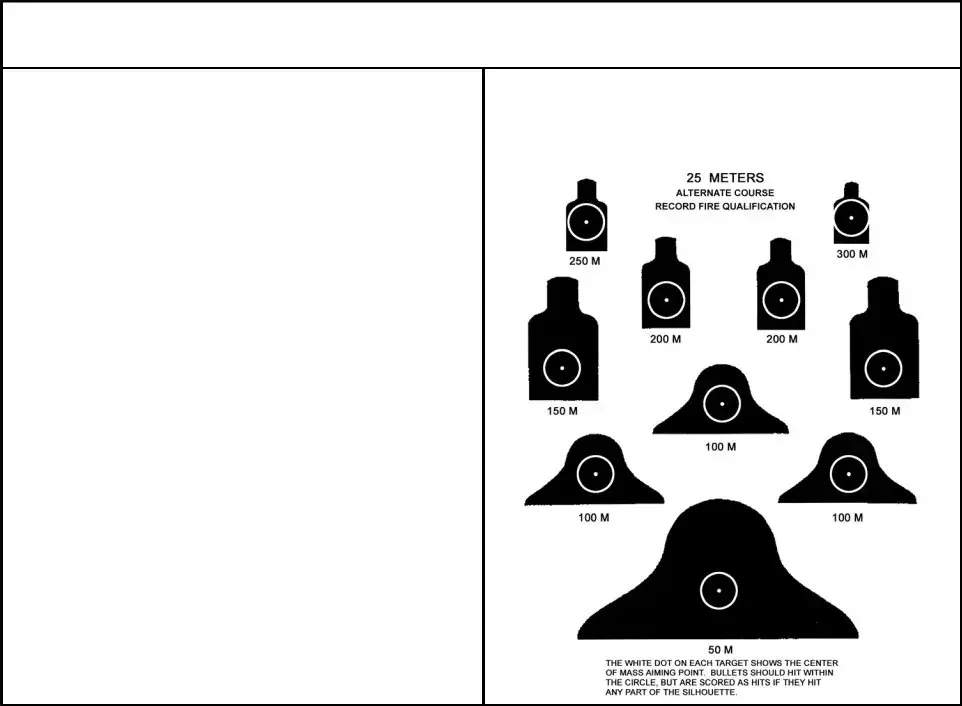
Scoring is based on the number of hits on the target silhouettes. Each silhouette can earn a maximum number of hits depending on its distance. For example, targets at 50 and 100 meters can earn up to 5 hits, while those at 200, 250, and 300 meters can earn up to 3 hits. The total score is calculated by adding the hits from all tables.
What is the purpose of the alternate course qualification?
The alternate course qualification serves as a backup option for situations where standard record fire ranges are unavailable. It allows service members to maintain their qualification status and ensure readiness, even in less-than-ideal conditions.
What equipment is needed for the qualification process?
Each firer needs a specific set of magazines for the qualification. This includes one 20-round magazine for Table 1 and two 10-round magazines for Tables 2 and 3. The rounds are preloaded into these magazines to streamline the qualification process.
What should be done if zeroing/grouping exercises are not performed on the day of record fire?
If zeroing or grouping exercises are not conducted on the day of the qualification, six rounds of training or sustainment ammunition must be fired for 25-meter zero confirmation before starting the qualification course. This step ensures that the firers are adequately prepared.
How should firers engage targets during the qualification?
Firers should engage the targets in a specific order, moving from left to right and from nearest to farthest. This systematic approach helps prevent confusion and ensures that each target is engaged according to the prescribed guidelines.
What happens if a firer does not meet the qualification standards?
If a firer does not achieve the required score to qualify, they may be deemed unqualified. This status may necessitate additional training or retesting to ensure that the individual meets the necessary proficiency standards before being allowed to participate in further operations.
Where can I find additional information about the DA Form 5790-R?
Additional information about the DA Form 5790-R can be found in FM 3-22.9, which provides detailed guidance on the use of this form and the associated qualification processes. It is advisable for evaluators and firers to familiarize themselves with this manual to ensure compliance with all requirements.
Incorrect ID Code: Many individuals mistakenly enter their Social Security Number (SSN) instead of the required ID code. This can lead to delays and potential privacy issues.
Missing Dates: Failing to fill in the date fields can result in incomplete forms. Ensure that all date fields are filled out in the correct format (YYYYMMDD).
Improper Scoring: Some people miscalculate their scores. It is important to double-check the scoring for each target to ensure accuracy.
Neglecting Signatures: Forgetting to include the evaluator's and officer's initials can render the form invalid. Signatures are crucial for verification.
Inaccurate Target Engagement: Engaging targets out of order can lead to disqualification. Follow the prescribed engagement order carefully.
Incorrect Magazine Usage: Using the wrong type of magazine for each table can affect scoring. Ensure you use the specified magazines for each firing position.
Failure to Record Misses: Some individuals forget to record misses, which can skew the final score. Be diligent in noting both hits and misses.
Skipping Zero Confirmation: Not performing zeroing/grouping exercises prior to qualification can lead to poor performance. Always confirm zero before qualification.
Ignoring Time Limits: Some shooters may not manage their time effectively during the qualification. Be aware of the time limits for each firing position.
Failing to Follow Guidelines: Not adhering to the guidelines for engagement can lead to disqualification. Always follow the outlined procedures for target engagement.
The DA Form 5790-R is essential for scoring record fire qualifications using scaled targets. Several other forms and documents often accompany this form to ensure proper documentation and compliance during the qualification process. Below are some of these important documents.
Each of these documents plays a vital role in the overall qualification process. Together, they help maintain standards, ensure safety, and provide a comprehensive record of a soldier's training and qualifications.
The DA Form 5790-R serves as a record firing scorecard for various shooting qualifications. It is essential for documenting performance during alternate course record fire qualifications. Several other documents share similarities with the DA Form 5790-R in terms of purpose, structure, and usage. Below are seven documents that exhibit these parallels:
Each of these forms plays a crucial role in military training and evaluation, just as the DA Form 5790-R does in the context of firing qualifications. They all contribute to maintaining standards and ensuring that service members are adequately assessed and documented in their respective areas of expertise.
When filling out the DA 5790 R form, it's essential to follow specific guidelines to ensure accuracy and compliance. Here are six key dos and don'ts:
Misconceptions about the DA 5790 R form can lead to confusion regarding its proper use and scoring. Here are eight common misunderstandings:
Understanding these misconceptions can help ensure proper use of the DA 5790 R form and promote accurate qualification assessments.
Filling out and using the DA Form 5790-R, also known as the Record Firing Scorecard, requires attention to detail. Here are key takeaways to ensure proper completion and usage of this form: