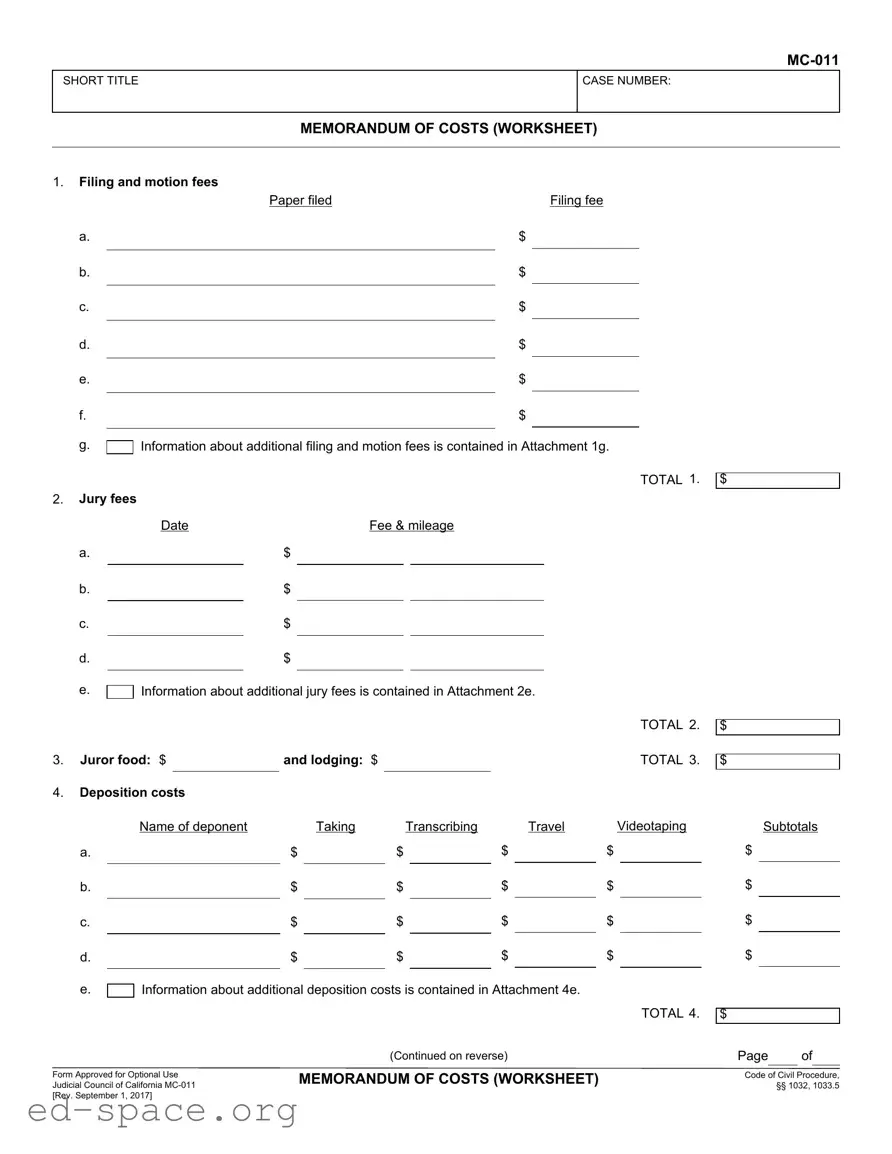
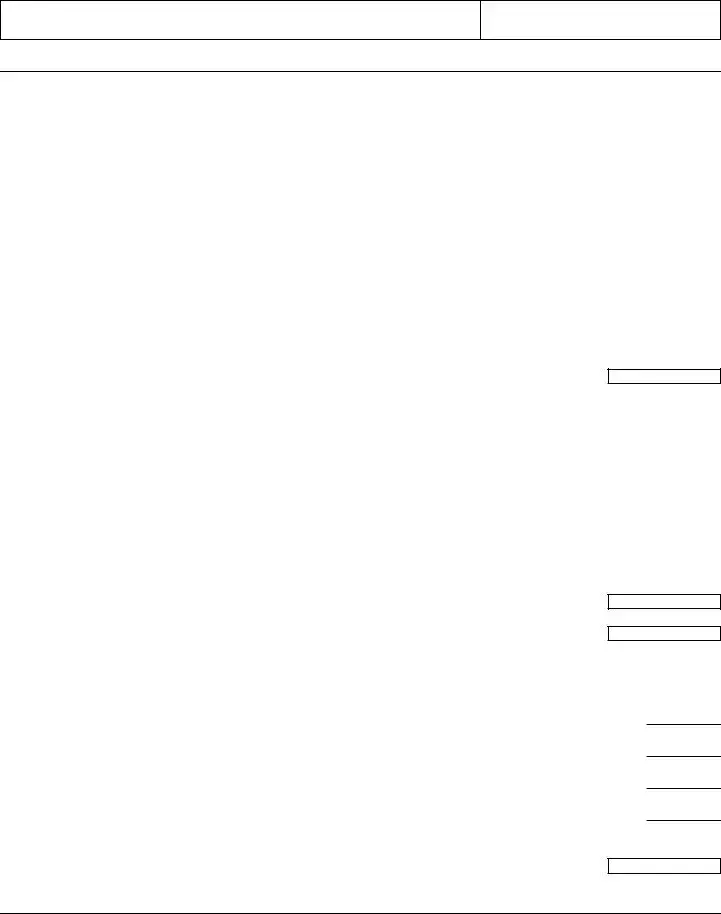
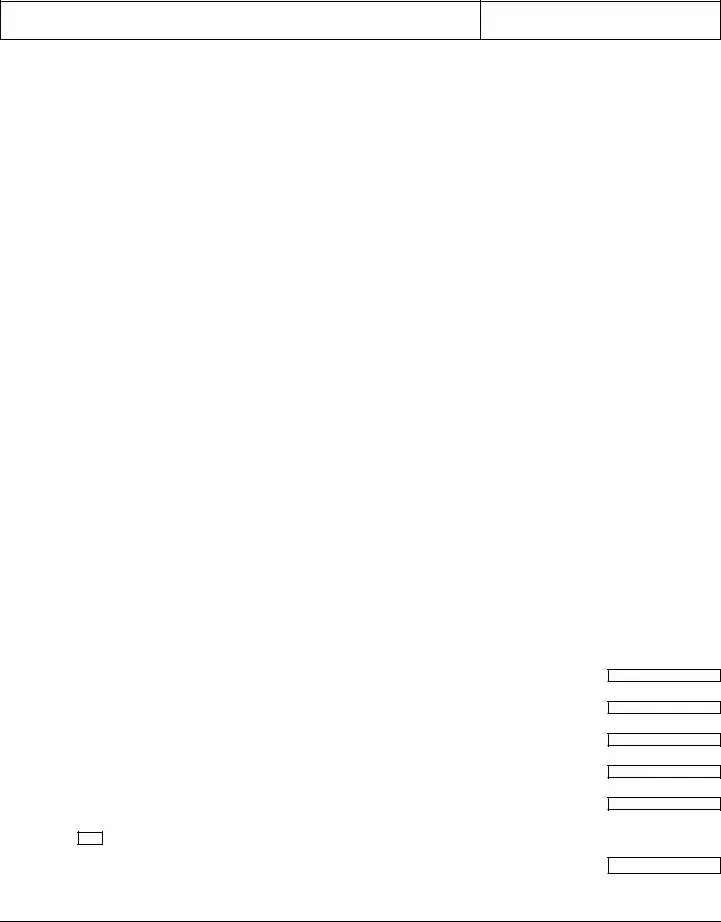
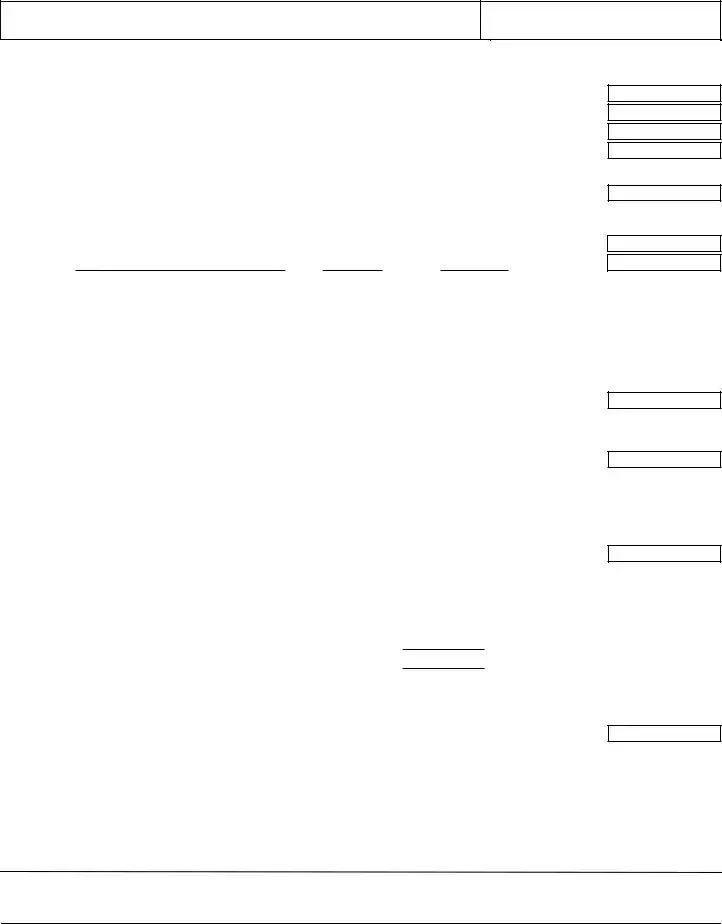
The California MC-011 form, known as the Memorandum of Costs (Worksheet), serves as a crucial document for parties seeking to recover costs incurred during litigation. This form outlines various expenses, including filing and motion fees, jury fees, deposition costs, and witness fees. It allows users to itemize costs associated with legal proceedings, ensuring transparency and accuracy in the claims made for reimbursement. Each section of the form provides space for detailed entries, such as the names of witnesses, specific fees, and additional costs that may require attachment for clarity. By organizing these costs systematically, the MC-011 helps streamline the process of cost recovery in civil cases, adhering to the relevant sections of the Code of Civil Procedure. Understanding how to accurately complete this form is essential for litigants aiming to claim their rightful expenses while navigating the complexities of the legal system.
SHORT TITLE
CASE NUMBER:
MEMORANDUM OF COSTS (WORKSHEET)
1.Filing and motion fees
|
Paper filed |
|
Filing fee |
a. |
$ |
|
|
|
|
|
|
|
|
|
|
b. |
$ |
|
|
|
|
|
|
|
|
|
|
c. |
$ |
|
|
|
|
$ |
|
|
|
|
|
d. |
|
||
|
|
|
|
|
|
|
|
e. |
$ |
|
|
|
|
|
|
|
|
|
|
f. |
$ |
|
|
|
|
|
|
|
|
|
|
g. |
|
|
Information about additional filing and motion fees is contained in Attachment 1g. |
|||||
|
|
|
|
|
|
|
|
TOTAL 1. |
2. Jury fees |
|
|
|
|
|
|
||
|
|
|
Date |
|
Fee & mileage |
|||
a. |
|
$ |
|
|
|
|
||
|
|
|
|
$ |
|
|
|
|
b. |
|
|
|
|
|
|||
|
|
|
|
$ |
|
|
|
|
c. |
|
|
|
|
|
|||
|
|
|
|
$ |
|
|
|
|
d. |
|
|
|
|
|
|||
e. |
|
|
|
|
|
|
|
|
|
|
Information about additional jury fees is contained in Attachment 2e. |
||||||
|
||||||||
TOTAL 2.
3. Juror food: $ |
|
and lodging: $ |
|
TOTAL 3. |
|
|
|
|
|
4.Deposition costs
|
|
|
Name of deponent |
Taking |
Transcribing |
|
Travel |
Videotaping |
|||
a. |
$ |
|
$ |
|
$ |
|
$ |
|
|||
|
|
|
|
|
$ |
|
$ |
|
$ |
|
|
b. |
$ |
|
|
|
|
||||||
|
|
|
|
|
$ |
|
$ |
|
$ |
|
|
c. |
$ |
|
|
|
|
||||||
|
|
|
|
|
$ |
|
$ |
|
$ |
|
|
d. |
$ |
|
|
|
|
||||||
|
|
|
|
|
|
|
|
|
|
|
|
e. |
|
Information about additional deposition costs is contained in Attachment 4e. |
|
|
|||||||
|
|
|
|||||||||
TOTAL 4.
$
$
$
Subtotals
$
$
$
$
$
(Continued on reverse) |
Page |
|
of |
|
|
|
|
|
|
Form Approved for Optional Use Judicial Council of California
MEMORANDUM OF COSTS (WORKSHEET)
Code of Civil Procedure, §§ 1032, 1033.5
SHORT TITLE
CASE NUMBER:
5.Service of process
|
|
|
|
|
Registered |
|
|
|
|
|
|
|
|
|
Name of person served |
Public officer |
|
process |
Publication |
|
Other (specify) |
||||||
a. |
|
|
$ |
|
$ |
|
$ |
|
$ |
|
|
|
|
b. |
|
|
$ |
|
$ |
|
$ |
|
$ |
|
|
|
|
c. |
|
|
$ |
|
$ |
|
$ |
|
$ |
|
|
|
|
d. |
|
Information about additional costs for service of process is contained in Attachment 5d. |
|
|
|
||||||||
|
|
|
|
||||||||||
|
|
|
|
|
|
|
|
|
|
TOTAL 5. |
|
|
|
|
|
|
|
|
|
|
|
|
|
|
$ |
||
6. Attachment expenses (specify): |
|
|
|
|
|
|
6. |
|
|
||||
|
|
|
|
|
|
|
|||||||
|
|
|
|
|
|
|
$ |
||||||
|
|
|
|
|
|
|
|
|
|
|
|
|
|
7. Surety bond premiums (itemize bonds and amounts): |
7. |
$ |
8. a. Ordinary witness fees |
|
|
|
|
|
|
|
|
|
Name of witness |
Daily fee |
|
|
Mileage |
|
||
(1) |
|
days at |
|
$/day |
|
miles at |
|
¢/mile: |
(2) |
|
days at |
|
$/day |
|
miles at |
|
¢/mile: |
(3) |
|
days at |
|
$/day |
|
miles at |
|
¢/mile: |
(4) |
|
days at |
|
$/day |
|
miles at |
|
¢/mile: |
(5) |
|
days at |
|
$/day |
|
miles at |
|
¢/mile: |
|
|
|
|
|
|
|
|
|
Total
$
$
$
$
$
(6)
Information about additional ordinary witness fees is contained in Attachment 8a(6). SUBTOTAL 8a. $
(Continued on next page)
MEMORANDUM OF COSTS (WORKSHEET) |
Page |
|
of |
|
|
|
|
|
|
SHORT TITLE
CASE NUMBER:
8.b. Expert fees (per Code of Civil Procedure section 998)
|
|
Name of witness |
|
|
Fee |
|
|
(1) |
|
|
|
|
hours at $ |
/hr |
|
(2) |
|
|
|
|
|
|
|
|
|
|
|
hours at $ |
/hr |
||
(3) |
|
|
|
|
|
|
|
|
|
|
|
hours at $ |
/hr |
||
(4) |
|
|
|
|
|
|
|
|
|
|
|
hours at $ |
/hr |
||
|
|
|
|
|
|
|
|
(5) |
|
Information about additional expert fees is contained in Attachment 8b(5). |
|
||||
|
|
||||||
$
$
$
$
SUBTOTAL 8b. $
c.
|
Name of witness |
|
|
Fee |
|
|
(1) |
|
|
|
hours at $ |
/hr |
|
(2) |
|
|
|
hours at $ |
|
|
|
|
|
/hr |
|||
$
$
(3) |
|
Information about additional |
|
|
|
|
|
|
|
|
|
|
SUBTOTAL 8c. |
$ |
|
|
|
|
|
|
|
|
|
|
|
|
|
TOTAL (8a, 8b, & 8c) 8. |
$ |
9. |
9. |
|
||
|
||||
$ |
||||
|
|
|
|
|
10.Attorney fees (enter here if contractual or statutory fees are fixed without necessity of a court determination; otherwise a noticed motion is required):
11.Models, enlargements, and photocopies of exhibits (specify):
12.Court reporter fees (as established by statute)
a. |
(Name of reporter): |
|
Fees: $ |
|
|
||
b. |
(Name of reporter): |
|
Fees: $ |
|
|
||
c. |
|
|
Information about additional |
||||
|
|
||||||
13.Interpreter fees
a. Fees of a certified or registered interpreter for the deposition of a party or witness
(Name of interpreter): |
|
Fees: $ |
|
(Name of interpreter): |
|
|
Fees: $ |
b.Fees for a qualified court interpreter authorized by the court for an indigent person represented by a qualified legal services project or a pro bono attorney
|
(Name of interpreter): |
|
Fees: $ |
|
|
|
|
(Name of interpreter): |
|
Fees: $ |
|
|
|
c. |
|
Information about additional |
||||
|
||||||
10.
11.
TOTAL 12.
TOTAL 13.
$
$
$
$
14.Fees for electronic filing or service of documents through an electronic filing service provider
(enter here if required or ordered by the court): |
14. |
$ |
15.Fees for hosting electronic documents through an electronic filing service provider (enter here
if required or ordered by the court): |
15. |
$ |
||
16. OTHER (specify): |
16. |
|
||
$ |
||||
|
|
|
|
|
|
|
|
|
|
|
|
|
|
|
TOTAL COSTS |
|
|
$ |
|
|
|
|
|
|
|
|
|
|
|
|
|
(Additional information may be supplied on the reverse) |
|
|
MEMORANDUM OF COSTS (WORKSHEET) |
Page |
|
of |
|
|
|
|
|
|

SHORT TITLE
CASE NUMBER:
1
2
3
4
5
6
7
8
9
10
11
12
13
14
15
16
17
18
19
20
21
22
23
24
25
26
27
28
29
MEMORANDUM OF COSTS (WORKSHEET) |
||||
|
||||
For your protection and privacy, please press the Clear |
|
|
|
|
This Form button after you have printed the form. |
Print this form |
|
Save this form |
|
|
|
|
|
|
Page of
Clear this form
| Fact Name | Details |
|---|---|
| Form Title | MC-011: Memorandum of Costs (Worksheet) |
| Governing Law | California Code of Civil Procedure, §§ 1032, 1033.5 |
| Purpose | This form is used to itemize and claim costs in civil cases. |
| Filing Fees | Includes costs related to filing and motion fees, detailed in Attachment 1g. |
| Jury Fees | Costs for jury fees, including mileage, are specified in Attachment 2e. |
| Deposition Costs | Costs for taking, transcribing, and videotaping depositions are outlined in Attachment 4e. |
| Service of Process | Details on service of process costs can be found in Attachment 5d. |
| Expert Fees | Expert fees are categorized into ordinary, court-ordered, and additional expert fees in Attachments 8a, 8b, and 8c. |
Filling out the California MC-011 form requires careful attention to detail. This form is used to document various costs associated with a legal case. After completing the form, it will need to be submitted to the appropriate court as part of the legal process.
What is the California MC-011 form used for?
The California MC-011 form, known as the Memorandum of Costs Worksheet, is utilized to itemize and claim costs incurred during legal proceedings. This form is important for parties seeking to recover expenses associated with their case, such as filing fees, jury fees, deposition costs, and other necessary expenses. By detailing these costs, the form helps ensure transparency and allows the court to evaluate the legitimacy of the claims made by the party.
Who needs to file the MC-011 form?
Typically, any party involved in a civil case in California who wishes to recover costs after a judgment should file the MC-011 form. This includes both plaintiffs and defendants who have incurred costs related to the litigation process. It is crucial to file this form within the appropriate timeframe, usually within a certain number of days after the judgment is entered, to ensure that the costs are considered by the court.
What types of costs can be claimed on the MC-011 form?
The MC-011 form allows for a variety of costs to be claimed. These include, but are not limited to, filing and motion fees, jury fees, deposition costs, service of process fees, witness fees, expert fees, court reporter fees, and costs associated with electronic filing. Each category has specific sections on the form where you can itemize the expenses, providing details such as the amounts and descriptions of the services rendered.
Is there a deadline for submitting the MC-011 form?
Yes, there is a deadline for submitting the MC-011 form. Generally, it must be filed within 15 days after the entry of judgment. If you miss this deadline, you may lose the opportunity to recover your costs. It is advisable to keep track of important dates in your case and to prepare the form as soon as possible after the judgment is rendered.
What should I do if I have additional costs that are not listed on the MC-011 form?
If you have additional costs that are not explicitly listed on the MC-011 form, you can include them in the section designated for "OTHER" expenses. Be sure to provide a clear description of the costs and their relevance to the case. Additionally, you may want to attach any supporting documentation that verifies these expenses. This can help strengthen your claim and provide the court with a comprehensive view of your incurred costs.
Incorrect Case Number: Many individuals forget to enter the correct case number. This can lead to delays and confusion in processing the form.
Omitting Total Costs: Failing to calculate and include the total costs at the bottom of the form is a common mistake. Always double-check the totals to ensure accuracy.
Inaccurate Fee Entries: Some people miscalculate or misenter fees for services like depositions or jury fees. Review each entry carefully to avoid errors.
Neglecting Attachments: If additional costs are listed, individuals often forget to attach the necessary documentation. Ensure all relevant attachments are included.
Skipping Signature: It's essential to sign the form. Many forget this step, which can result in the form being rejected.
Using Outdated Versions: Some may use an old version of the MC-011 form. Always check that you are using the most current version available.
The California MC-011 form, known as the Memorandum of Costs (Worksheet), is a critical document for detailing various costs incurred during litigation. It helps parties itemize expenses such as filing fees, jury fees, and witness fees. Alongside this form, several other documents are commonly used to support the cost recovery process. Below is a list of these forms and a brief description of each.
These documents work together to ensure that all costs are properly accounted for and can be effectively claimed in legal proceedings. Understanding each form's purpose is essential for anyone involved in litigation in California.
The California MC-011 form, known as the Memorandum of Costs (Worksheet), serves as a detailed breakdown of various costs incurred in a legal case. Several other legal documents share similarities with the MC-011 in terms of purpose and structure. Here’s a look at eight such documents:
Each of these forms serves a unique purpose but shares the common thread of detailing costs associated with legal proceedings, making them similar to the MC-011 in function and structure.
When filling out the California MC-011 form, there are several important things to keep in mind. Here’s a helpful list of dos and don’ts to guide you through the process:
By following these guidelines, you can help ensure that your MC-011 form is completed correctly and submitted without issues. Good luck!
The California MC-011 form, also known as the Memorandum of Costs Worksheet, is an essential document in the legal process. However, several misconceptions surround its use and purpose. Here are four common misunderstandings:
Understanding these misconceptions can help ensure the proper use of the MC-011 form and facilitate a smoother legal process.
Filling out the California MC-011 form requires attention to detail. Here are key takeaways to keep in mind: