The California FL-301 form serves as a critical document in family law proceedings, specifically for motions related to child custody, support, and other family matters. This form is utilized by individuals, whether represented by an attorney or acting on their own, to formally notify the court and the other party of their intent to seek a specific legal remedy. Key components of the FL-301 include the identification of the petitioner and respondent, the details of the motion, and the scheduling of a court hearing. Additionally, the form outlines necessary supporting documents, such as the Application for Order and Supporting Declaration, Income and Expense Declaration, and Property Declaration, which must accompany the motion. The form also emphasizes the importance of mediation for child custody issues and provides instructions for service of documents. Understanding the FL-301 is essential for anyone navigating the complexities of family law in California, as it lays the groundwork for legal proceedings and ensures that all parties are informed and prepared for the upcoming hearing.
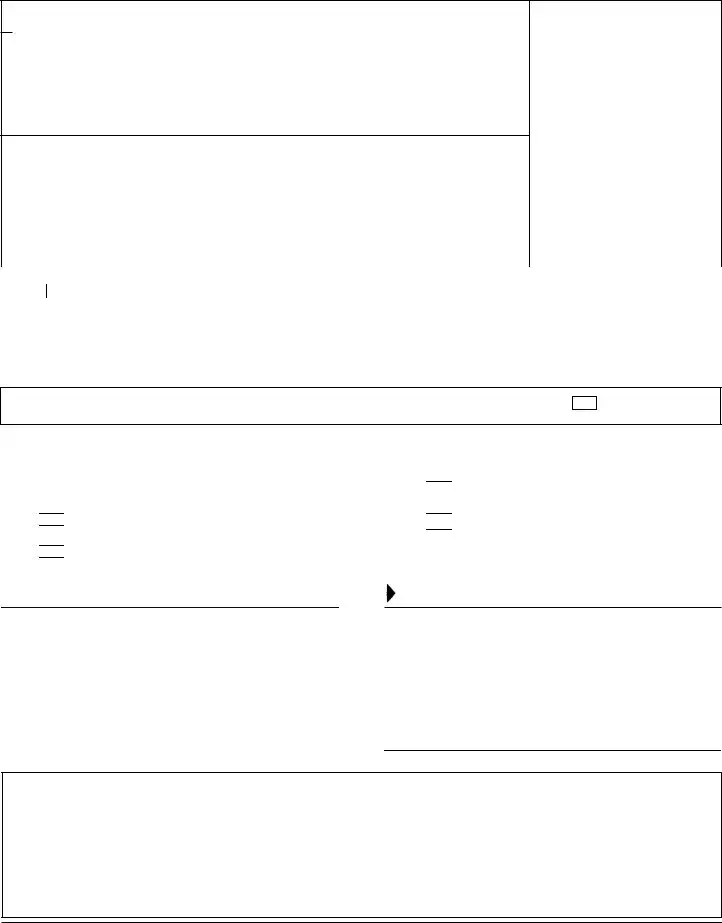
ATTORNEY OR PARTY WITHOUT ATTORNEY (Name, State Bar number, and address): |
FOR COURT USE ONLY |
|
TELEPHONE NO.: |
FAX NO. (Optional): |
|
|
ATTORNEY FOR (Name): |
|
SUPERIOR COURT OF CALIFORNIA, COUNTY OF
|
|
STREET ADDRESS: |
|
|
|
|
|
|
MAILING ADDRESS: |
|
|
|
|
|
|
|
CITY AND ZIP CODE: |
|
|
|
|
|
|
|
|
BRANCH NAME: |
|
|
|
|
|
|
|
|
|
|
|
|
|
|
PETITIONER/PLAINTIFF: |
|
|
|
|
|
|
RESPONDENT/DEFENDANT: |
|
|
|
|
|
||
|
|
|
|
|
|
|
|
|
NOTICE OF MOTION |
|
MODIFICATION |
|
|
CASE NUMBER: |
|
|
|
|
|||||
|
|
|
|
|
|
|
|
|
MOTION |
|
|
|
Injunctive Order |
|
|
|
|
|
|
|
|||
|
|
Child Custody |
|
Visitation |
|
|
|
|
|
Child Support |
|
Spousal Support |
|
Other (specify): |
|
|
|
Attorney Fees and Costs |
|
|
|
|
|
|
|
|
|
|
|
|
|
|
|
|
|
|
|
|
|
1.TO (name):
2.A hearing on this motion for the relief requested in the attached application will be held as follows:
a. Date: |
Time |
|
Dept.: |
|
|||
|
: |
|
|
Rm.:
b. Address of court |
|
same as noted above |
|
other (specify): |
|
|
3. Supporting attachments:
a.Completed Application for Order and Supporting Declaration (form
b. Completed Income and Expense Declaration (form
c. Completed Financial Statement (Simplified) (form
Date:
(TYPE OR PRINT NAME)
d. Completed Property Declaration (form
e. Points and authorities
f. Other (specify):
(SIGNATURE)
|
|
|
|
|
|
ORDER |
4. |
|
Time for |
|
service |
|
hearing is shortened. Service must be on or before (date): |
|
|
|
5.Any responsive declaration must be served on or before (date):
6.If child custody or visitation is an issue in this proceeding, Family Code section 3170 requires mediation before or concurrently with the hearing listed above. The parties are ordered to attend orientation and mandatory custody services as follows:
Date:
JUDICIAL OFFICER
NOTICE: If you have children from this relationship, the court is required to order payment of child support based on the incomes of both parents. The amount of child support can be large. It normally continues until the child is 18. You should supply the court with information about your finances. Otherwise, the child support order will be based on the information supplied by the other parent.
You do not have to pay any fee to file declarations in response to this Notice of Motion (including a completed Income and Expense Declaration (form
Form Adopted for Mandatory Use
Judicial Council of California
NOTICE OF MOTION
Page 1 of 2
Government Code, § 26826
www.courtinfo.ca.gov
WWW.ACCESSLAW.COM
PETITIONER/PLAINTIFF:
RESPONDENT/DEFENDANT:
CASE NUMBER:
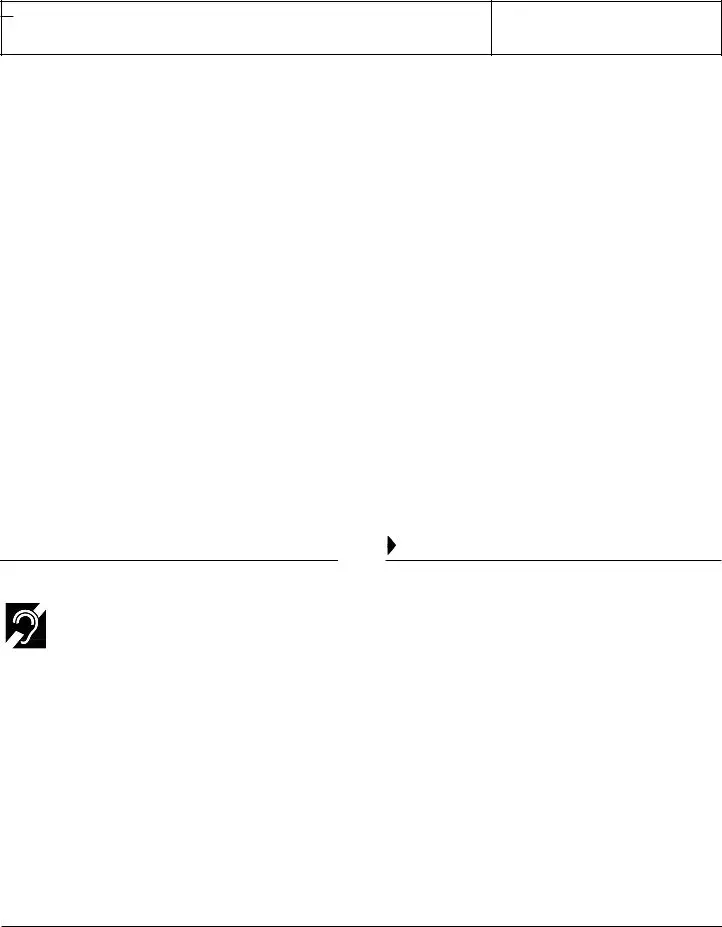
7.PROOF OF SERVICE BY MAIL
a.I am at least age 18, not a party to this action, and am a resident or employed in the county where the mailing took place. My residence or business address is:
b.I served copies of the following documents by enclosing them in a sealed envelope with postage fully prepaid, depositing them in the United States mail as follows:
(1)Papers served:
(a)Notice of Motion and a completed Application for Order and Supporting Declaration (form
(b) |
|
Completed Income and Expense Declaration (form |
(c) |
|
Completed Financial Statement (Simplified) (form |
|
||
(d) |
|
Completed Property Declaration (form |
|
||
(e) |
|
Points and authorities |
|
(f)Other (specify):
(2)Manner of service:
(a) Date of deposit:
(b) Place of deposit (city and state):
(c)Addressed as follows:
c. I declare under penalty of perjury under the laws of the State of California that the foregoing is true and correct. Date:
(TYPE OR PRINT NAME) |
(SIGNATURE OF DECLARANT) |
Requests for Accommodations
Assistive listening systems,
NOTICE OF MOTION |
Page 2 of 2
| Fact Name | Description |
|---|---|
| Purpose | The FL-301 form is used to file a Notice of Motion in family law cases in California, addressing issues such as child custody, support, and spousal support. |
| Governing Law | This form is governed by California Family Code and Civil Code provisions, particularly Family Code section 3170 regarding mediation for child custody and visitation. |
| Mandatory Use | The Judicial Council of California mandates the use of this form, ensuring uniformity in family law proceedings across the state. |
| Attachments Required | When filing, you must include supporting documents such as the Application for Order (FL-310), Income and Expense Declaration (FL-150), and others as specified. |
| Filing Timeline | Any responsive declaration must be filed and served at least nine court days before the hearing, or five additional calendar days if served by mail. |
| Service of Documents | Proof of service is required, confirming that all relevant parties received the necessary documents in a timely manner. |
| Accommodations | Requests for accommodations, such as assistive listening devices or sign language interpreters, should be made at least five days prior to the hearing. |
Filling out the California FL-301 form is a crucial step in initiating a legal motion. After completing the form, it will need to be submitted to the appropriate court along with any required attachments. Below are the steps to guide you through the process of filling out the form.
Once the form is completed, it is essential to check that all required documents are attached. After that, the form should be filed with the court and served to the other party involved in the motion. Make sure to keep copies of everything for your records.
What is the purpose of the California FL-301 form?
The California FL-301 form serves as a Notice of Motion in family law cases. It is used to inform the court and the other party about a request for specific relief, such as modifications related to child custody, visitation, child support, or spousal support. This form outlines the details of the motion and the hearing, ensuring all parties are aware of the proceedings.
Who should complete the FL-301 form?
The FL-301 form should be completed by the petitioner or plaintiff in a family law case. This individual is typically the one initiating the motion. If a party is represented by an attorney, the attorney will fill out the form on behalf of their client. It is essential that the form is filled out accurately to avoid delays in the legal process.
What information is required on the FL-301 form?
The FL-301 form requires several key pieces of information. This includes the names and contact information of the parties involved, the specific relief being requested, and the date and time of the scheduled hearing. Additionally, the form must list any supporting documents being submitted with the motion, such as financial declarations and supporting declarations.
What should I do if I want to respond to a motion filed using the FL-301 form?
If you wish to respond to a motion filed with the FL-301 form, you must complete a responsive declaration. This declaration must be served on the other party and filed with the court at least nine court days before the scheduled hearing. If you are serving the declaration by mail within California, you should add five calendar days to this timeframe to ensure proper notice.
Are there any fees associated with filing the FL-301 form?
There are no fees required to file a responsive declaration in response to the FL-301 form. This includes the filing of financial declarations like the Income and Expense Declaration (form FL-150) and the Financial Statement (Simplified) (form FL-155). It is important to provide accurate financial information to the court, as it may impact decisions regarding child support and other financial matters.
What if I need accommodations for a hearing related to the FL-301 form?
If you require accommodations, such as assistive listening systems or sign language interpreter services, you should request these at least five days prior to the hearing. Contact the clerk’s office or visit the California courts website for more information on how to make a request for accommodations by persons with disabilities.
Incomplete Information: Many individuals fail to provide all required information on the form. This can include missing names, addresses, or contact details. Each section must be thoroughly filled out to avoid delays in processing.
Incorrect Case Number: A common mistake is entering the wrong case number. This can lead to confusion and may result in the motion being dismissed. Always double-check the case number for accuracy before submission.
Failure to Attach Required Documents: Some people neglect to include necessary supporting documents, such as the completed Application for Order and Supporting Declaration (form FL-310) or the Income and Expense Declaration (form FL-150). These attachments are crucial for the court's review.
Ignoring Deadlines: It is essential to be aware of and adhere to all deadlines for filing and serving documents. Missing a deadline can significantly impact the outcome of the case. Always mark important dates on your calendar and plan ahead.
The California FL-301 form is a Notice of Motion used in family law cases. This form initiates a request for a court hearing regarding various family law matters, including child custody, support, and spousal support. Along with this form, several other documents are often required to support the motion. Below is a list of these commonly used forms and documents.
Understanding these forms and their purposes can help parties navigate the legal process more effectively. Properly completing and submitting these documents is essential for a successful outcome in family law matters.
The California FL-301 form, which serves as a notice of motion for various family law matters, shares similarities with several other legal documents used in family law proceedings. Each of these documents plays a crucial role in facilitating communication and ensuring that the legal process runs smoothly. Here are six documents that are comparable to the FL-301 form:
Each of these forms plays a vital role in family law cases, ensuring that all parties are informed and can participate effectively in the legal process.
When filling out the California FL-301 form, there are several important practices to keep in mind. Here’s a list of things you should and shouldn’t do:
By following these guidelines, you can help ensure that your FL-301 form is filled out correctly and submitted on time. This will contribute to a smoother process as you navigate your case.
Understanding the California FL-301 form can be challenging. Here are six common misconceptions that people often have about this important legal document:
By clearing up these misconceptions, individuals can better navigate the legal process and ensure they are prepared for their court hearings.
When filling out and using the California FL-301 form, it is important to keep several key points in mind:
Understanding these aspects can help ensure that your use of the FL-301 form is effective and compliant with court requirements.