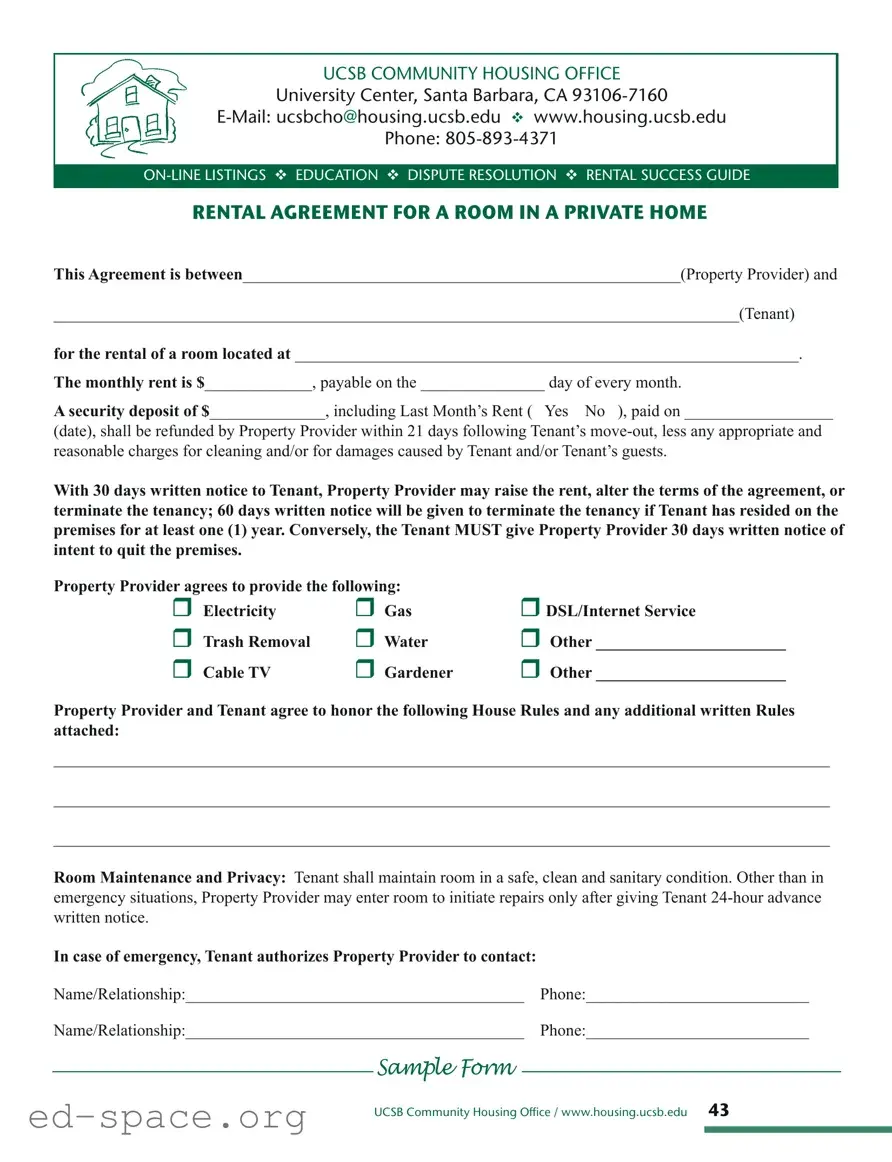
When renting a room in a private home in California, having a clear and comprehensive agreement is essential for both the property provider and the tenant. The California Agreement Room form serves as a foundational document that outlines the terms of the rental arrangement, ensuring both parties understand their rights and responsibilities. This form includes critical details such as the monthly rent amount, payment due dates, and security deposit requirements. It also addresses important aspects like notice periods for rent increases and tenancy termination, which can vary depending on the length of the tenant's stay. Additionally, the form specifies the utilities and services provided by the landlord, ranging from electricity and water to internet access and trash removal. House rules are also integrated into the agreement, promoting a harmonious living environment. Furthermore, the document emphasizes the importance of room maintenance and privacy, detailing how and when the property provider can enter the tenant's space. By acknowledging receipt of various documents, such as house rules and disclosures, both parties can ensure transparency and accountability throughout the rental period. This thorough approach not only protects individual interests but also fosters a respectful and cooperative relationship between tenants and property providers.
UCSB COMMUNITY HOUSING OFFICE
University Center, Santa Barbara, CA
Phone:
RENTAL AGREEMENT FOR A ROOM IN A PRIVATE HOME
This Agreement is between_____________________________________________________(Property Provider) and
___________________________________________________________________________________(Tenant)
for the rental of a room located at _____________________________________________________________.
The monthly rent is $_____________, payable on the _______________ day of every month.
A security deposit of $______________, including Last Month’s Rent ( Yes No ), paid on __________________
(date), shall be refunded by Property Provider within 21 days following Tenant’s
With 30 days written notice to Tenant, Property Provider may raise the rent, alter the terms of the agreement, or terminate the tenancy; 60 days written notice will be given to terminate the tenancy if Tenant has resided on the premises for at least one (1) year. Conversely, the Tenant MUST give Property Provider 30 days written notice of intent to quit the premises.
Property Provider agrees to provide the following:
r Electricity |
r Gas |
rDSL/Internet Service |
r Trash Removal |
r Water |
r Other _______________________ |
r Cable TV |
r Gardener |
r Other _______________________ |
Property Provider and Tenant agree to honor the following House Rules and any additional written Rules attached:
______________________________________________________________________________________________
______________________________________________________________________________________________
______________________________________________________________________________________________
Room Maintenance and Privacy: Tenant shall maintain room in a safe, clean and sanitary condition. Other than in emergency situations, Property Provider may enter room to initiate repairs only after giving Tenant
In case of emergency, Tenant authorizes Property Provider to contact:
Name/Relationship:_________________________________________ Phone:___________________________
Name/Relationship:_________________________________________ Phone:___________________________
Sample Form
UCSB Community Housing Oice / www.housing.ucsb.edu 43

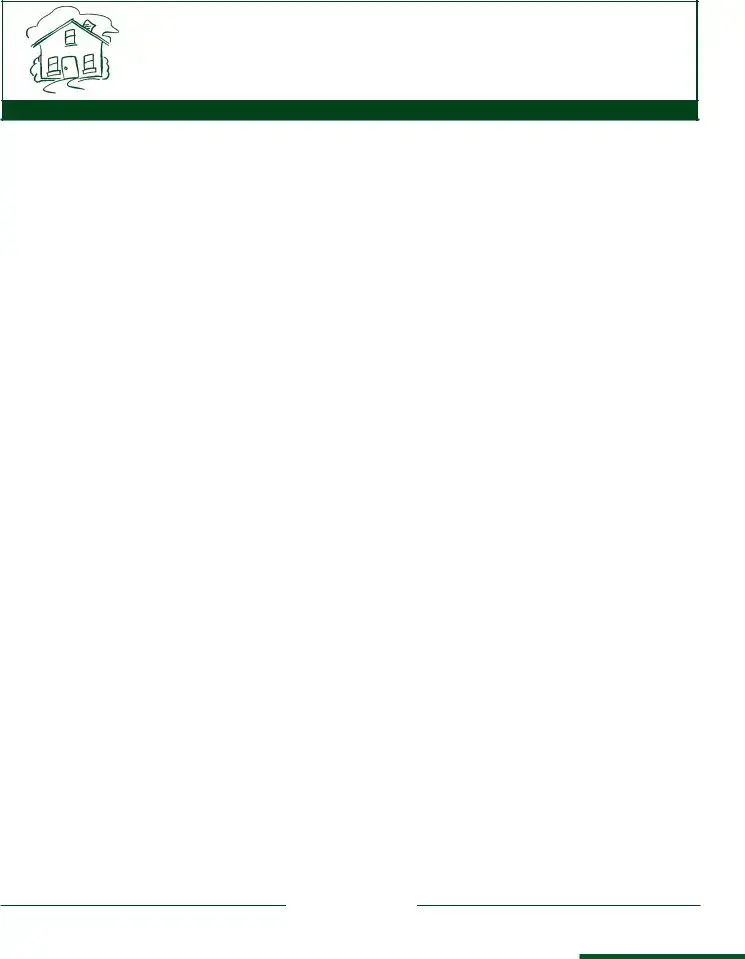
RENTAL AGREEMENT FOR ROOM IN A PRIVATE HOME, PAGE 2
By initialing as provided, Tenant acknowledges the receipt of the following documents (copies of which are attached hereto) and are incorporated herein by reference:
______ House Rules |
______ Megan’s Law |
______ Inventory & Condition Report |
______ Furniture Inventory & Condition Report |
______ Repair / Replacement Agreement |
______ Lead Paint Disclosure |
______ Maintenance Request Form |
______ Inventory of Personal Property |
______ Other: _____________________ |
______ Other: ______________________ |
The undersigned have read the foregoing Lease prior to execution & acknowledge receipt of a copy.
Dated this ____ day of ________________, of the year __________ |
|
Tenant(s) Signature(s): |
|
_________________________________________________________________ |
___________________ |
1st Tenant |
Date |
_________________________________________________________________ |
___________________ |
2nd Tenant |
Date |
_________________________________________________________________ |
___________________ |
3rd Tenant |
Date |
Property Provider’s Signature: |
|
_________________________________________________________________ |
___________________ |
Full Name |
Date |
Sample Form
44 UCSB Community Housing Oice / www.housing.ucsb.edu
| Fact Name | Description |
|---|---|
| Governing Law | This agreement is governed by California state law, which regulates rental agreements and tenant rights. |
| Parties Involved | The agreement is made between a Property Provider (landlord) and a Tenant, clearly identifying both parties. |
| Room Location | The specific address of the rented room must be included, ensuring clarity on the rental property. |
| Rent Payment | Monthly rent is specified and due on a particular day each month, providing a clear payment schedule. |
| Security Deposit | A security deposit is required, with stipulations on its return within 21 days after the tenant moves out, minus any deductions. |
| Notice Requirements | Both parties must provide written notice for changes or termination of the tenancy, with varying timeframes based on the situation. |
| House Rules | Tenants agree to adhere to specified house rules, which may include additional written rules attached to the agreement. |
Filling out the California Agreement Room form is an important step in establishing a rental agreement between a property provider and a tenant. After completing the form, both parties will have a clear understanding of their rights and responsibilities. Here’s how to fill it out step by step.
Once the form is completed, it should be kept in a safe place by both parties. This ensures that everyone involved has access to the agreed-upon terms and conditions of the rental arrangement. Proper documentation helps in maintaining a positive landlord-tenant relationship.
What is the purpose of the California Agreement Room form?
The California Agreement Room form serves as a rental agreement between a property provider and a tenant for a room in a private home. It outlines the terms and conditions of the rental arrangement, including monthly rent, security deposits, and the responsibilities of both parties. By signing this agreement, both the property provider and tenant establish clear expectations regarding the rental situation, which helps prevent misunderstandings and disputes in the future.
What are the notice requirements for terminating the tenancy?
Both the property provider and the tenant have specific notice requirements when it comes to terminating the tenancy. The property provider must provide a 30-day written notice to the tenant if they wish to raise the rent, alter the terms of the agreement, or terminate the tenancy. If the tenant has resided in the property for at least one year, the property provider is required to give a 60-day written notice for termination. Conversely, the tenant must also give a 30-day written notice to the property provider if they intend to vacate the premises.
What is included in the security deposit, and how is it handled?
The security deposit is a sum of money paid by the tenant to the property provider at the start of the rental agreement. This deposit may include the last month's rent, depending on the agreement. The property provider is obligated to refund the security deposit within 21 days after the tenant moves out, minus any reasonable charges for cleaning or damages caused by the tenant or their guests. It is crucial for both parties to understand how the security deposit is managed to avoid any potential disputes upon termination of the tenancy.
What are the house rules mentioned in the agreement?
The house rules are guidelines established by the property provider that tenants must follow during their stay. These rules may cover various aspects of living in the shared space, such as noise levels, use of common areas, and maintenance responsibilities. Tenants are required to acknowledge receipt of these rules, and any additional written rules attached to the agreement. Adhering to the house rules is essential for maintaining a harmonious living environment and ensuring that all tenants feel comfortable in the shared space.
Failing to fill in all required fields. Ensure that every blank is completed, including names, addresses, and dates.
Incorrectly calculating the security deposit. Double-check the amount and whether it includes the last month’s rent.
Not providing a valid email address or phone number. This information is crucial for communication regarding the rental.
Missing the initialing of important documents. Initialing confirms that you have received and understand all attached documents.
Overlooking the House Rules section. Be sure to review and agree to the house rules before signing.
Not giving proper notice when terminating the tenancy. Remember that both parties need to provide written notice as specified in the agreement.
Failing to specify the rental payment date. Clearly state the day of the month when rent is due.
Neglecting to list emergency contacts. Providing this information can help in urgent situations.
Not keeping a copy of the signed agreement. It’s important to retain a copy for your records.
Ignoring the maintenance responsibilities. Understand your obligations to maintain the room in a safe and clean condition.
The California Agreement Room form is an essential document for renting a room in a private home. Alongside this form, several other documents may be required to ensure a smooth rental process. Each document serves a specific purpose and helps clarify the rights and responsibilities of both the property provider and the tenant.
Having these documents in place helps protect both the property provider and the tenant. They ensure that everyone understands their rights and responsibilities, which can lead to a more positive rental experience.
When filling out the California Agreement Room form, it’s important to follow certain guidelines to ensure everything is completed correctly. Here are nine things you should and shouldn't do:
Following these guidelines will help ensure a smooth rental process. If you have any questions, consider reaching out to the UCSB Community Housing Office for assistance.
This form is available to anyone looking to rent a room in a private home, not just students from UCSB.
The security deposit can be refunded within 21 days after moving out, minus any reasonable charges for damages or cleaning.
The Property Provider must give 30 days written notice before raising the rent or altering the terms of the agreement.
Tenants must provide 30 days written notice to the Property Provider if they intend to leave the premises.
Property Providers must give 24 hours written notice before entering the room, except in emergencies.
Both parties must honor the House Rules outlined in the agreement.
Both the Tenant and Property Provider must sign the agreement for it to be valid.
This agreement can be terminated with proper notice, allowing for flexibility in housing arrangements.
Utilities such as electricity, gas, and internet may be included, but this depends on the specific agreement between the parties.
The California Agreement Room form can be customized to fit the specific needs and agreements of the Tenant and Property Provider.
When filling out and using the California Agreement Room form, it's important to keep several key points in mind. Here are some essential takeaways:
By keeping these points in mind, both Property Providers and Tenants can ensure a smooth rental experience.