The California 700 U form is an essential document for individuals employed by the University of California (UC) or California State University (CSU) who lead research projects funded by non-governmental entities. This form ensures transparency and accountability by requiring the disclosure of financial interests, income, gifts, and loans related to the research funding. Specifically, it must be filed by principal investigators when their projects receive support from contracts, grants, or earmarked funds from private sources. The form outlines various reporting requirements, including definitions of investments, income, loans, and gifts, which help clarify what must be disclosed. For instance, investments valued at $2,000 or more, income over $500, and gifts worth $50 or more all need to be reported. Understanding these aspects is crucial for compliance with California's political reform regulations, as failing to file or report accurately can lead to civil penalties or disciplinary actions from the university. In this article, we will delve deeper into the specifics of the California 700 U form, exploring who needs to file, what information must be included, and the implications of non-compliance.

Instructions for Completing Form
CALIFORNIAFORM
Who Files Form
This form must be iled by all persons employed by UC or CSU who have principal responsibility for a research
project if the project is to be funded or supported, in
whole or in part, by a contract or grant (or other funds earmarked by the donor for a speciic research project or for a speciic researcher) from a nongovernmental entity.
Reporting requirements are outlined in Regulation 18755.
This regulation provides that research funding by certain nonproit entities will not trigger disclosure. This regulation is available on the FPPC website.
What is an Investment?
“Investment” means any inancial interest in a business entity in which you, your spouse or registered domestic
partner, or your dependent children have a direct, indirect, or beneicial interest totaling $2,000 or more. Reportable investments include stocks, bonds, warrants,
and options, including those held in margin or brokerage accounts and investment funds. Common examples of investment funds are index funds,
What is Income?
“Income” means a payment received, including but not limited to any salary, wage, advance, dividend, interest, rent, proceeds from any sale, gift, including any gift of food
or beverage, loan forgiveness or payment of indebtedness received by the iler, reimbursement for expenses, per diem,
or contribution to an insurance or pension program paid by any person other than an employer, and any community property interest in income of a spouse or registered domestic partner. Income also includes an outstanding loan. Income of an individual also includes a pro rata share of any income of any business entity or trust in which the
individual, spouse, or registered domestic partner owns directly, indirectly, or beneicially, a 10% interest or greater.
Income includes your gross income and your community property interest in your spouse’s or registered domestic partner’s gross income totaling $500 or more. Gross income is the total amount of income before deducting expenses, losses, or taxes. (See Gov. Code Section 82030.)
What is a Loan?
Loans received or outstanding are reportable if they total $500 or more from a single lender. Your community property interest in loans received by your spouse or registered domestic partner also must be reported. (See Gov. Code Section 82030(a).)
What is a Gift?
A gift is anything of value for which you have not provided equal or greater consideration to the donor. A gift is reportable if its fair market value is $50 or more. In addition, multiple gifts totaling $50 or more received from a reportable source must be reported.
It is the acceptance of a gift, not the ultimate use to which it is put, that imposes your reporting obligation. Therefore you must report a gift even if you never used it or if you gave it away to another person.
If the exact amount of a gift is not known, you must make a good faith estimate of the item’s fair market value. Listing the value of a gift as “over $50” or “value unknown” is not adequate disclosure.
Commonly reportable gifts include:
•Tickets/passes to sporting or entertainment events
•Tickets/passes to amusement parks
•Parking passes
•Food, beverages, and accommodations, including that provided in direct connection with your attendance at a convention, conference, meeting, social event, meal, or like gathering, where you did not give a speech, participate in a panel or seminar, or provide a similar service
•Rebates/discounts not made in the regular course of
business to members of the public without regard to oficial status
•Wedding gifts
•An honorarium. You may report an honorarium as income rather than as a gift if you provided services of equal or greater value than the payment received.
•Transportation and lodging
•Forgiveness of a loan received by you
(See Gov. Code Section 82028.)
FPPC Form
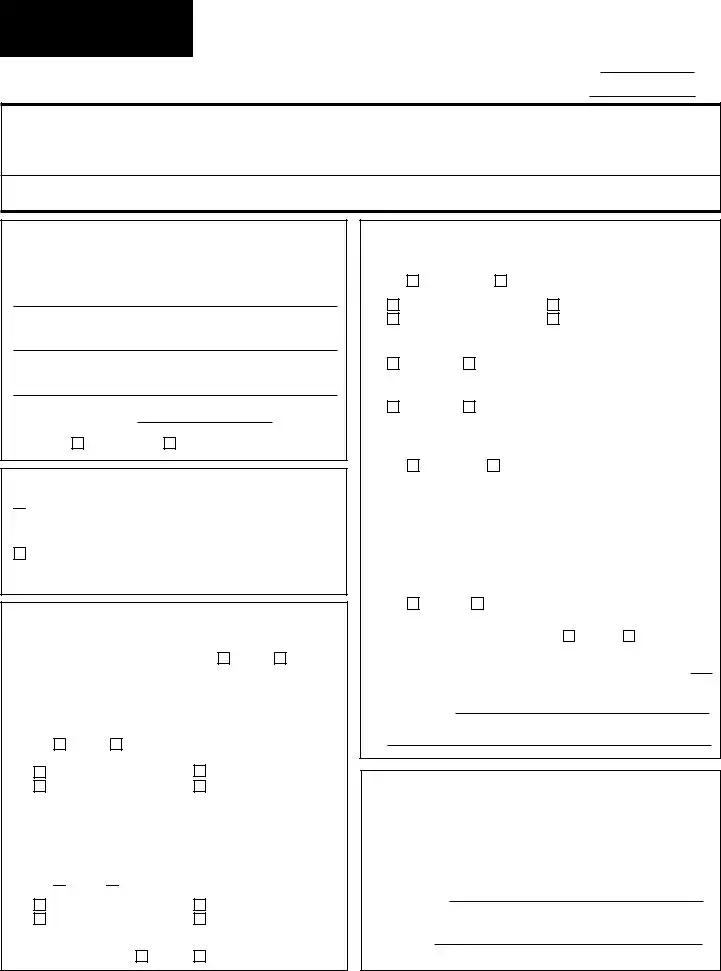
CALIFORNIA
FAIR POLITICAL PRACTICES COMMISSION
Please type or print in ink.
STATEMENT OF ECONOMIC INTERESTS
FOR
PRINCIPAL INVESTIGATORS
Date Received
Campus Use Only
Campus:
ID No:
NAME (LAST)(FIRST)(MIDDLE)TELEPHONE NUMBER
|
|
( |
) |
|
|
|
|
ACADEMIC UNIT OR DEPARTMENT |
MAIL CODE |
||
TITLE OF RESEARCH PROJECT
1. Information Regarding Funding Entity:
(Use a separate Form
Address of Entity:
Principal Business of Entity:
Amount of Funding: $
Estimated |
|
Actual |
|
|
|
2.Type of Statement (Check at least one box) Initial (for new funding)
|
Date of initial funding: |
|
|
/ |
|
|
|
/ |
|
|
|
|
|
Interim (for renewed funding) |
|
|
|
|
|
|
|
||||
|
|
|
|
|
|
|
|
|||||
|
Funding was renewed on: |
|
|
|
/ |
|
|
/ |
|
|
||
3.Filer Information
A.Are you a director, oficer, partner, trustee, consultant, employee, or do you hold a position of management in
the entity listed in Part 1? |
No |
|
Yes |
|
|
|
|
|
|
||||
Title: |
|
|
|
|
|
|
B.Do you, your spouse or registered domestic partner, or
your dependent children have an investment of $2,000 or more in the entity listed in Part 1 above?
No |
|
|
Yes |
|
– value is: |
|
|
|
|
|
|
|
|
||||
|
|
$2,000 - $10,000 |
|
$10,001 - $100,000 |
||||
|
|
|
||||||
|
|
|||||||
|
|
$100,001 - $1,000,000 |
|
Exceeds $1,000,000 |
||||
|
|
|||||||
|
|
|
||||||
If you have sold or divested yourself of investments:
Date Divested: |
|
/ |
|
/ |
|
|
|
|
C.Have you received income of $500 or more from the entity listed in Part 1 during the reporting period?
No Yes
|
$500 - $1,000 |
|
$1,001 - $10,000 |
|
|
||
|
$10,001 - $100,000 |
|
Exceeds $100,000 |
|
|
Was income received through your spouse or registered
domestic partner? |
|
No |
|
Yes |
|
|
3. Filer Information - CONT.
D.Have you received loans from the entity in Part 1 for which the balance exceeded $500 during the reporting period?
No |
|
|
Yes |
|
|
– highest balance: |
|||
|
|
|
|||||||
|
|
$500 - $1,000 |
|
|
|
|
$1,001 - $10,000 |
||
|
|
|
|
|
|||||
|
|
$10,001 - $100,000 |
|
|
Exceeded $100,000 |
||||
|
|
|
|
||||||
If you checked “yes,” was the loan:
|
Secured |
|
Unsecured Interest rate: |
|
% |
|
|
||||
|
|
|
|
|
|
Was the loan entirely repaid within the last 12 months?
|
No |
|
Yes |
|
|
E.Have you received gifts from the entity listed in Part 1 within the last 12 months valued at $50 or more?
No |
Yes |
|
– describe below. |
|
|
|
|
|
|
|
|||
|
|
|
|
|
|
|
|
||||||
Description: |
|
|
|
|
|
|
|
|
|
|
|
||
|
|
|
|
|
|
|
|
|
|
|
|
|
|
Value: $ |
|
|
|
|
Date Received: |
|
/ |
|
/ |
|
|
|
|
F. Has the entity in Part 1 paid for your travel?
No |
|
|
Yes |
|
– describe below. |
|
|
|
|
|
|
|
|
|
||||||
|
|
|
|
|
|
|
|
|
|
|
||||||||||
Type of Payment: (check one) |
|
|
|
Gift |
|
|
|
|
|
Income |
|
|||||||||
|
|
|
|
|
|
|
|
|
||||||||||||
Amt: $ |
|
|
|
date(s): |
|
|
|
/ |
|
/ |
|
|
|
|
|
/ |
|
/ |
||
|
|
|
|
|
|
|
|
|
|
|
|
(If applicable) |
|
|||||||
Description:
4. Veriication
I have used all reasonable diligence in preparing this statement. I have reviewed this statement and to the best of my knowledge the information contained herein and in any attached schedules is true and complete. I certify under penalty of perjury under the laws of the State of California that the foregoing is true and correct.
Date Signed
(month, day, year)
Signature
(File the originally signed statement with your university.)
The Form |
FPPC Form |
This statement is a public record under Gov. Code Section 81008(a). |
FPPC |

Instructions for Completing Form
CALIFORNIAFORM
What is a Travel Payment?
Travel payments include advances and reimbursements for travel and related expenses, including lodging and meals.
•Travel payments are gifts if you did not provide services which were equal to or greater in value than the payments received. You must disclose gifts totaling $50 or more from a single source during the period covered by the statement. Gifts of travel are reportable without regard to where the donor is located.
When reporting travel payments which are gifts, you must provide a description of the gift and the date(s) received.
Effective August 15, 2008, Regulation 18946.6 provides new valuation methods for gifts of air transportation.
•Travel payments are income if you provided services which were equal to or greater in value than the payments received. You must disclose income totaling $500 or more from a single source
during the period covered by the statement. The iler has the burden of proving the payments are
income rather than gifts.
When reporting travel payments as income, you must describe the services you provided in exchange for the payment. You are not required to disclose the date(s) for travel payments which are income.
Gifts of travel may be subject to a $420 gift limit. In
addition, certain travel payments are reportable gifts, but are not subject to the gift limit. See the FPPC fact sheet entitled “Limitations and Restrictions on Gifts, Honoraria, Travel, and Loans,” which can be obtained from the FPPC at www.fppc.ca.gov.
You are not required to disclose:
•Travel payments received from any state, local, or federal government agency for which you provided services equal or greater in value than the payments received
•Travel payments received from your employer in the normal course of your employment
•Payments or reimbursements for transportation within California in connection with an event at which you gave a speech, participated in a panel or seminar, or performed a similar service
•Food, beverages, and necessary accommodations received directly in connection with an event held inside or outside California at which you gave
a speech, participated in a panel, or provided a similar service (note that payments for transportation outside of California are reportable)
•A travel payment which was received from a nonproit entity exempt from taxation under IRS Code Section 501(c)(3) for which you provided equal or greater consideration
Check the box to indicate if the payment was a gift or income, report the amount, and disclose the date(s) if applicable.
Violations
Failure to ile the required Statement of Economic Interests or failure to report a inancial interest may
subject a principal investigator to civil liability, including ines, as well as University discipline. (Gov. Code Sections
Privacy Information Notice
Information requested on all FPPC forms is used by the FPPC to administer and enforce the Political Reform Act (Gov. Code Sections
Act is a violation subject to administrative, criminal or civil prosecution. All reports and statements provided are public records open for public inspection and reproduction.
If you have any questions regarding this Privacy Notice
or how to access your personal information, please
contact the FPPC at:
General Counsel
Fair Political Practices Commission 428 J Street, Suite 620 Sacramento, CA 95814
(916)
FPPC Form
| Fact Name | Description |
|---|---|
| Who Files | All persons employed by UC or CSU with principal responsibility for a research project funded by a non-governmental entity must file this form. |
| Governing Law | The filing requirements are outlined in Regulation 18755 of the California Government Code. |
| Investment Definition | An investment is any financial interest totaling $2,000 or more in a business entity held by the filer, their spouse, or dependent children. |
| Income Definition | Income includes any payment received, such as salary, dividends, or gifts valued at $500 or more, as defined under Government Code Section 82030. |
| Loan Reporting | Loans exceeding $500 from a single lender must be reported, including any community property interest in loans received by the filer’s spouse. |
| Gift Reporting | A gift is anything of value received without equal consideration, reportable if valued at $50 or more, as per Government Code Section 82028. |
| Travel Payments | Travel payments are considered gifts or income based on whether services were provided in exchange for the payment, and must be reported accordingly. |
Completing the California 700 U form is an important task for individuals involved in research projects funded by non-governmental entities. After filling out the form, it will need to be submitted to the appropriate university office. Make sure to review your entries for accuracy before submission.
What is the California 700 U form and who needs to file it?
The California 700 U form is a Statement of Economic Interests specifically designed for principal investigators employed by the University of California (UC) or California State University (CSU). If you have principal responsibility for a research project funded by a contract or grant from a nongovernmental entity, you must file this form. This includes any funding that is earmarked for a specific research project or researcher. It is essential to comply with Regulation 18755, which outlines the reporting requirements for such funding.
What types of financial interests must be reported on the form?
When completing the California 700 U form, you need to report various types of financial interests. These include investments, income, loans, and gifts. An investment is defined as any financial interest totaling $2,000 or more held by you, your spouse, or dependent children in a business entity. Income includes payments such as salary, dividends, or gifts valued at $50 or more. Loans must be reported if they exceed $500 from a single lender, and any gifts received must also be disclosed if their fair market value is $50 or more. Understanding these categories will help ensure accurate reporting.
What constitutes an investment under the California 700 U form?
An investment is defined as any financial interest in a business entity where you, your spouse or registered domestic partner, or your dependent children have a direct, indirect, or beneficial interest totaling $2,000 or more. This can include stocks, bonds, warrants, options, and investment funds. Common examples of investment funds include index funds and exchange-traded funds. If you have any such interests, it’s important to disclose them on the form to maintain transparency.
How should gifts be reported on the California 700 U form?
Gifts must be reported if their fair market value is $50 or more. A gift is anything of value received for which you did not provide equal or greater consideration to the donor. This includes items such as tickets to events, food, or accommodations. If you receive multiple gifts from a reportable source that total $50 or more, these must also be disclosed. When reporting, you should provide a good faith estimate of the gift’s value if the exact amount is unknown. Simply stating “over $50” is not sufficient.
What are the consequences of failing to file the California 700 U form?
Failing to file the California 700 U form or not accurately reporting financial interests can lead to serious consequences. Principal investigators may face civil liability, including fines, and potential disciplinary action from the university. Compliance with the reporting requirements is mandated by the Political Reform Act, and all reports are considered public records. Therefore, it is crucial to ensure that the form is completed accurately and submitted on time to avoid any legal repercussions.
Failing to complete the form in ink or using an unapproved format. It is essential to type or print clearly.
Not using a separate Form 700-U for each funding entity. Each funding source requires its own report.
Overlooking to check at least one box under the type of statement. Indicating whether it is an initial or interim statement is crucial.
Neglecting to disclose all required financial interests. This includes investments, income, loans, and gifts that meet the reporting thresholds.
Providing vague descriptions for gifts or travel payments. Specific details are necessary to ensure proper reporting.
Estimating the value of gifts incorrectly. A good faith estimate is required, and simply stating “over $50” is insufficient.
Failing to report loans received or outstanding that total $500 or more. This includes loans from your spouse or registered domestic partner.
Not verifying the accuracy of the information before signing the form. A thorough review is important to avoid errors.
Missing the deadline for submission. Timely filing is essential to comply with reporting obligations.
The California 700 U form, known as the Statement of Economic Interests for Principal Investigators, is essential for individuals employed by the University of California (UC) or California State University (CSU) who are responsible for research projects funded by non-governmental entities. In addition to this form, there are several other documents that may be required to ensure compliance with reporting obligations. Below is a list of these documents, each described briefly.
Understanding these documents and their requirements is crucial for compliance with California’s regulations regarding financial disclosures. Failure to adhere to these requirements can result in significant penalties, including civil liability and university disciplinary actions. Therefore, it is imperative for researchers and public officials to remain informed and diligent in their reporting obligations.
The California Form 700-U is a specific document used by principal investigators at the University of California (UC) or California State University (CSU) to disclose financial interests related to research funding. Several other documents serve similar purposes in ensuring transparency and accountability regarding financial interests. Below are four such documents:
When filling out the California 700 U form, it is essential to adhere to specific guidelines to ensure compliance and accuracy. Here are six important dos and don'ts:
Understanding the California 700 U form can be challenging, and several misconceptions can lead to confusion. Here are seven common misconceptions about this form, along with clarifications:
Being aware of these misconceptions can help ensure compliance with the requirements of the California 700 U form. Understanding the specific reporting obligations is essential for all individuals involved in research projects funded by nongovernmental entities.
The California 700-U form is essential for individuals employed by the University of California (UC) or California State University (CSU) who lead research projects funded by non-governmental entities.
It is important to report any investments totaling $2,000 or more that you, your spouse, or your dependent children hold in the funding entity.
Income received from the entity must be reported if it exceeds $500 during the reporting period, including any community property interests.
Gifts valued at $50 or more must be disclosed, regardless of whether they were used or given away after acceptance.
Travel payments can be classified as either gifts or income, depending on whether services were provided in exchange for the payment.
Failure to file the form or report required financial interests can lead to civil penalties and university disciplinary actions.