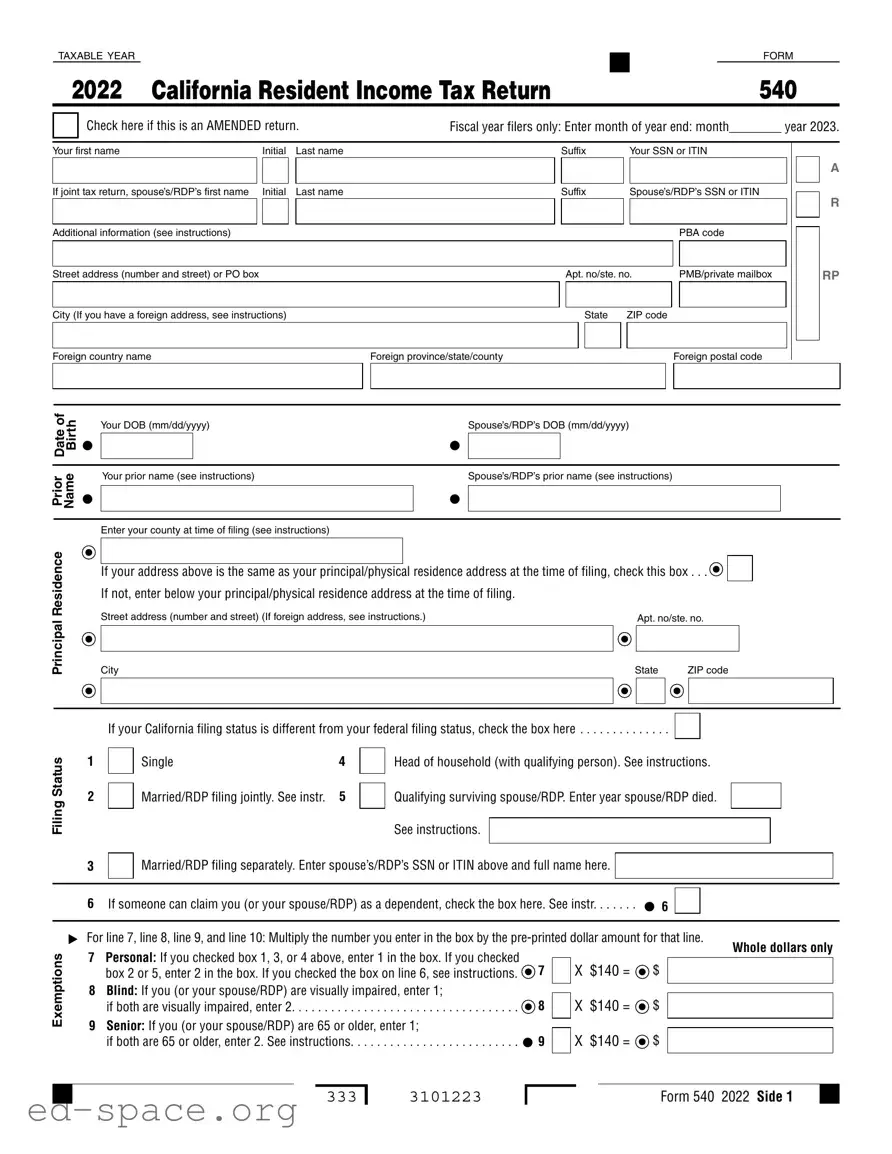
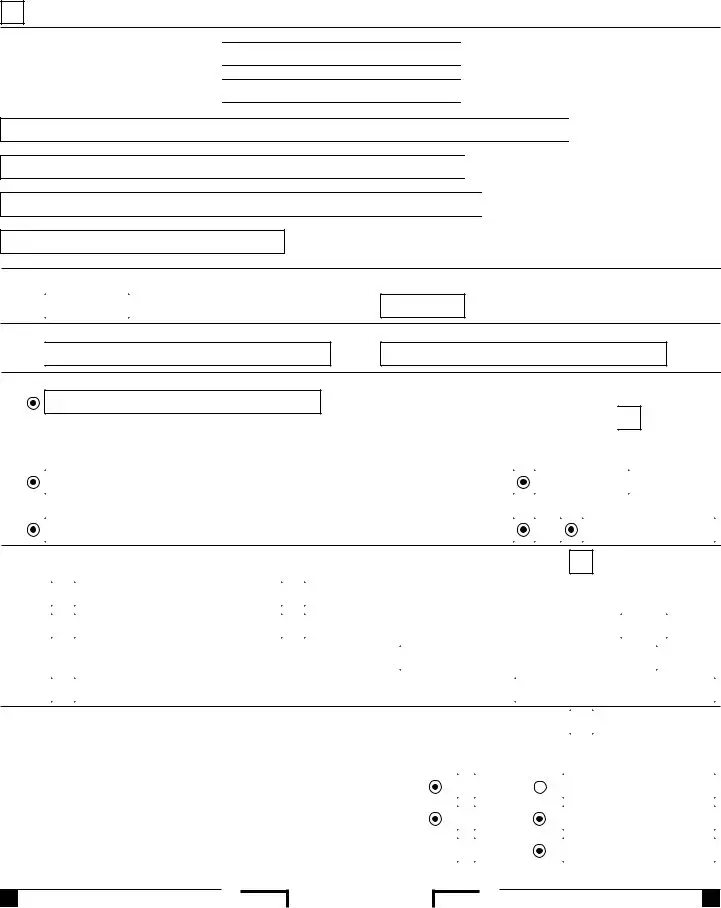
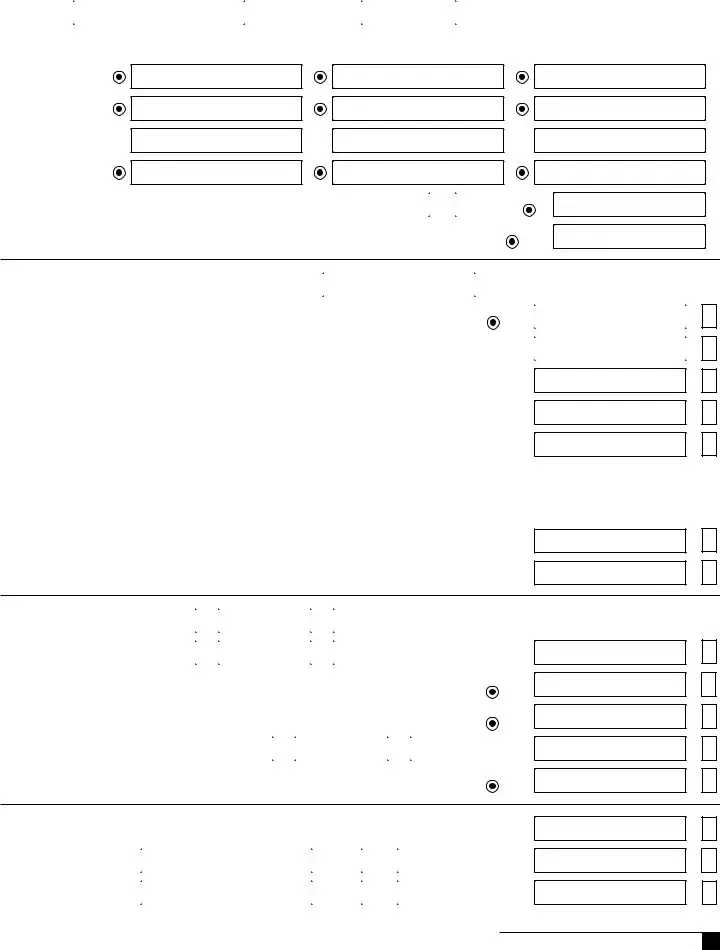
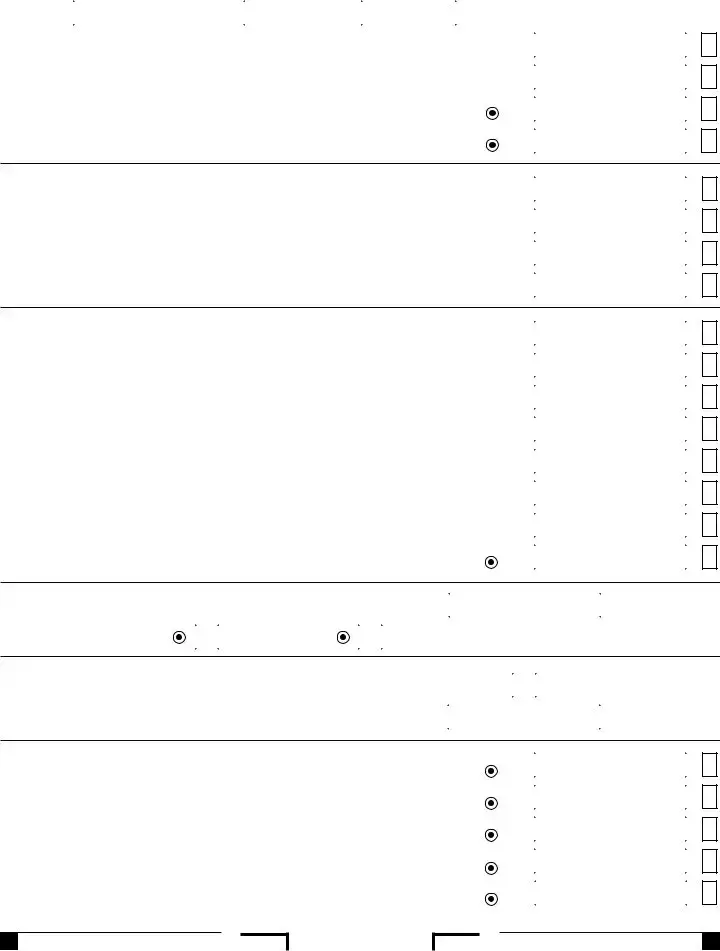
The California 540 V form, officially known as the Return Payment Voucher, serves as a crucial tool for individuals filing their state tax returns. Designed to streamline the payment process, this form is particularly important when submitting payments alongside tax returns. Taxpayers are encouraged to use Form 540-V to ensure that their payments are processed accurately and efficiently by the Franchise Tax Board. While it is not mandatory to use this voucher, doing so can significantly enhance the likelihood of a smooth transaction. The form requires taxpayers to provide essential details such as their name, address, and social security number, along with the total amount being submitted. This includes any penalties or interest that may apply. After completing the voucher, individuals must attach it, along with their check or money order, to the front of their tax return. Finally, the entire package must be mailed to the designated address to ensure proper handling. By following these steps, taxpayers can contribute to a more efficient tax processing experience, reducing the potential for errors and delays.
TAXABLE YEAR |
|
|
FORM |
|
|||
2022 California Resident Income Tax Return |
|
540 |
|
|
|||
Check here if this is an AMENDED return.
Your first name |
|
Initial |
|
Last name |
|
|
|
|
|
If joint tax return, spouse’s/RDP’s first name |
|
Initial |
|
Last name |
|
|
|
|
|
Additional information (see instructions) |
|
|
|
|
Street address (number and street) or PO box
City (If you have a foreign address, see instructions)
Foreign country name
of |
|
Your DOB (mm/dd/yyyy) |
|||
Date Birth |
• |
||||
|
|
|
|||
|
|
|
|||
Prior Name |
|
|
Your prior name (see instructions) |
||
• |
|
|
|||
|
|||||
|
|
Enter your county at time of filing (see instructions) |
|||
Fiscal year filers only: Enter month of year end: month________ year 2023.
|
|
Suffix |
|
Your SSN or ITIN |
|
|
|
|
|||||||
|
|
|
|
|
|
|
|
|
|
|
|
|
|
|
A |
|
|
|
|
|
|
|
|
|
|
|
|
|
|
|
|
|
|
Suffix |
|
Spouse’s/RDP’s SSN or ITIN |
|
|
|
R |
|||||||
|
|||||||||||||||
|
|
|
|
|
|
|
|
|
|
|
|
|
|
|
|
|
|
|
|
|
|
|
|
|
|
|
|
|
|
|
|
|
|
|
|
|
|
|
|
|
|
|
|
|
|
|
|
|
|
|
|
|
|
|
|
|
|
PBA code |
|
|
|
RP |
|
|
|
|
|
|
|
|
|
|
|
|
|
|
|||
|
|
|
|
|
|
|
|
|
|
|
|
|
|
|
|
|
|
|
|
|
|
|
|
|
|
|
|
|
|
|
|
|
|
|
Apt. no/ste. no. |
|
PMB/private mailbox |
|
|
|
|||||||
|
|
|
|
|
|
|
|
|
|
|
|
|
|
|
|
|
|
|
|
|
State |
|
ZIP code |
|
|
|
|
|
|
|
|
|
|
|
|
|
|
|
|
|
|
|
|
|
|
|
|
|
|
|
|
|
|
|
|
|
|
|
|
||||
Foreign province/state/county |
|
|
|
Foreign postal code |
|
|
|
|
|||||||
|
|
|
|
|
|
||||||||||
|
|
|
|
|
|
|
|
|
|
|
|
|
|
|
|
Spouse’s/RDP’s DOB (mm/dd/yyyy)
•
Spouse’s/RDP’s prior name (see instructions)
•
Principal Residence
Filing Status
If your address above is the same as your principal/physical residence address at the time of filing, check this box . . . If not, enter below your principal/physical residence address at the time of filing.
Street address (number and street) (If foreign address, see instructions.) |
|
Apt. no/ste. no. |
|
||
|
|
|
|
|
|
City |
State |
ZIP code |
|
||
|
|
|
|
|
|
|
|
|
|
|
|
If your California filing status is different from your federal filing status, check the box here . . . . . . . . . . . . . .
1 |
|
Single |
4 |
|
Head of household (with qualifying person). See instructions. |
|
|
|||
2 |
|
Married/RDP filing jointly. See instr. |
5 |
|
Qualifying surviving spouse/RDP. Enter year spouse/RDP died. |
|
|
|
||
|
|
|
|
|
||||||
|
|
|
|
|
||||||
|
|
|
|
|
|
|
|
|
|
|
|
|
|
|
|
|
|
|
|
|
|
|
|
|
|
|
See instructions. |
|
|
|
|
|
|
|
|
|
|
|
|
|
|||
3 |
|
Married/RDP filing separately. Enter spouse’s/RDP’s SSN or ITIN above and full name here. |
|
|
|
|
||||
|
|
|
|
|
||||||
|
|
|
|
|
|
|
|
|
|
|
. . . . . .6 If someone can claim you (or your spouse/RDP) as a dependent, check the box here. See instr. |
• 6 |
|
|
|
|
|
|
Exemptions
▶ For line 7, line 8, line 9, and line 10: Multiply the number you enter in the box by the |
Whole dollars only |
||||||
7 Personal: If you checked box 1, 3, or 4 above, enter 1 in the box. If you checked |
|
|
|
|
|
||
7 |
|
X $140 = |
• $ |
|
|
||
|
|
|
|||||
|
box 2 or 5, enter 2 in the box. If you checked the box on line 6, see instructions. |
|
|
|
|||
8 |
Blind: If you (or your spouse/RDP) are visually impaired, enter 1; |
8 |
|
X $140 = |
$ |
|
|
|
|
|
|||||
|
if both are visually impaired, enter 2 |
|
|
|
|||
9 |
Senior: If you (or your spouse/RDP) are 65 or older, enter 1; |
• 9 |
|
X $140 = |
$ |
|
|
|
|
|
|||||
|
|
|
|||||
|
if both are 65 or older, enter 2. See instructions |
|
|
|
|||
333
3101223
Form 540 2022 Side 1
Your name: |
|
Your SSN or ITIN: |
|
|
|
|
|
|
|
||
|
|
|
|
Exemptions
10 Dependents: Do not include yourself or your spouse/RDP.
|
Dependent 1 |
Dependent 2 |
First Name |
|
|
Last Name |
|
|
SSN. See |
• |
• |
instructions. |
||
Dependent’s |
|
|
relationship |
|
|
to you |
|
|
Dependent 3
•
. . . . . . . . . . . . . . . . . . . . . .Total dependent exemptions |
. . . . . . |
. . . . . . . . . . . • 10 |
|
X $433 = |
$ |
||||
11 |
Exemption amount: Add line 7 through line 10. Transfer this amount to line 32 |
. . . 11. . . . |
$ |
||||||
12 State wages from your federal |
• 12 |
|
|
|
. |
|
|
|
|
|
|
|
00 |
|
|
||||
|
Form(s) |
|
|
|
|
|
|||
13 |
Enter federal adjusted gross income from federal Form 1040 or |
. . . 13 |
|
||||||
|
|||||||||
14 |
California adjustments – subtractions. Enter the amount from Schedule CA (540), |
|
. • 14 |
|
|||||
|
|
||||||||
|
Part I, line 27, column B |
. . . . . . . |
. . . . . . . . . . . . . . . . . |
. . . . . |
. . . |
|
|||
|
|
|
|
|
|||||
15Subtract line 14 from line 13. If less than zero, enter the result in parentheses.
Income |
|
See instructions |
. 15 |
|
||
16 |
Part I, line 27, column C |
. • 16 |
|
|||
Taxable |
California adjustments – additions. Enter the amount from Schedule CA (540), |
|
|
|||
17 |
California adjusted gross income. Combine line 15 and line 16 |
. • 17 |
{ |
|||
|
18 |
Enter the |
{ |
Your California itemized deductions from Schedule CA (540), Part II, line 30; OR |
||
|
|
larger of |
Your California standard deduction shown below for your filing status: |
|
||
|
|
|
• Single or Married/RDP filing separately |
$5,202 |
||
|
|
|
• Married/RDP filing jointly, Head of household, or Qualifying surviving spouse/RDP. $10,404 |
|||
|
|
|
|
If Married/RDP filing separately or the box on line 6 is checked, STOP. See instructions |
• 18 |
|
19Subtract line 18 from line 17. This is your taxable income.
If less than zero, enter
31 Tax. Check the box if from: |
|
Tax Table |
|
|
Tax Rate Schedule |
|
|
|
|
|
|
|
|
• |
|
FTB 3800 |
• |
|
. . . . . . . . .FTB 3803 |
• 31 |
|
|
32Exemption credits. Enter the amount from line 11. If your federal AGI is more than
Tax |
|
$229,908, see instructions |
. . . . . |
. . . |
. |
. . . |
. . . . . . . . |
. . . . |
. . |
. |
. |
. . . . |
. . . . . . . . |
32 |
|||
|
|
|
|
|
|
|
|
|
|
|
|
|
|
|
|
||
|
|
33 |
Subtract line 32 from line 31. If less than zero, enter |
. . . . |
. . . . . . . . |
33 |
|||||||||||
|
|
|
|
|
|
|
|
|
|
|
|||||||
|
|
34 |
Tax. See instructions. Check the box if from: • |
|
|
Schedule |
|
|
. .FTB 5870A |
• 34 |
|||||||
|
|
35 |
Add line 33 and line 34 |
|
|
|
|
|
|
|
|
|
|
|
. |
35 |
|
|
|
. . . . . |
. . . |
. |
. . . |
. . . . . . . . |
. . . . |
. . |
. |
. |
. . . . |
. . . . . . . |
|||||
Credits |
40 |
Nonrefundable Child and Dependent Care Expenses Credit. See instructions |
|
|
. |
• 40 |
|||||||||||
|
|
. |
. . . . |
. . . . . . . |
|||||||||||||
Special |
43 |
Enter credit name |
|
|
|
|
|
|
code • |
|
|
|
. . .and amount |
• 43 |
|||
44 |
Enter credit name |
|
|
|
|
|
|
code • |
|
|
|
and amount |
• 44 |
||||
|
|
|
|
|
|
|
|
|
|||||||||
|
|
|
|
|
|
|
|
||||||||||
|
|
|
|
|
|
|
|
|
|
|
|
|
|
|
|
|
|
|
|
|
Side 2 Form 540 2022 |
333 |
3102223 |
|
|
|
|
|
|||||||
. 00
. 00
. 00
. 00
. 00
. 00
. 00
. 00
. 00
. 00
. 00
. 00
. 00
. 00
. 00
Your name: |
|
|
|
Your SSN or ITIN: |
|
|
|
|
|
|
|
|
|
|
|
|
|
|
|
|
|||
|
|
|
|
|
|
|
|
|
|
|
|
|
|
|
|
|
|
|
|||||
|
|
|
|
|
|
|
|
|
|
|
|
|
|
|
|
|
|
||||||
|
|
|
|
|
|
|
|
|
|
|
|
||||||||||||
Credits |
45 |
. . . . . . . . . . . . . .To claim more than two credits. See instructions. Attach Schedule P (540) |
|
|
|
|
|
||||||||||||||||
46 |
Nonrefundable Renter’s Credit. See instructions |
|
|
|
|
• 46 |
|
|
|
|
|
|
|||||||||||
|
|
|
|
|
|
|
|
|
|
||||||||||||||
Special |
|
. |
. . . . |
|
|
|
|||||||||||||||||
47 |
Add line 40 through line 46. These are your total credits |
|
|
|
|
|
47 |
|
|
|
|
|
|
|
|||||||||
|
|
|
|
|
|
|
|
|
|
|
|
||||||||||||
|
|
. |
. . . . |
|
|
|
|
|
|
|
|
||||||||||||
|
48 |
Subtract line 47 from line 35. If less than zero, enter |
|
|
|
|
|
48 |
|
|
|
|
|
|
|
||||||||
|
|
. |
. . . . |
|
|
|
|
|
|
|
|
||||||||||||
Taxes |
61 |
Alternative Minimum Tax. Attach Schedule P (540) |
|
|
|
|
• 61 |
|
|
|
|
|
|
||||||||||
|
. |
. . . . |
|
|
|
|
|
|
|||||||||||||||
|
|
|
|
|
|
|
|
|
|||||||||||||||
62 |
. . . . . . . . . . . . . . . . . . . . . . . . . . . . . . . .Mental Health Services Tax. See instructions |
|
. |
. . . . |
• 62 |
|
|
|
|
|
|
||||||||||||
Other |
|
|
|
|
|
|
|
|
|
||||||||||||||
63 |
. . . . . . . . . . . . . . . . . . . . . . . . . . . .Other taxes and credit recapture. See instructions |
|
. |
. . . . |
• 63 |
|
|
|
|
|
|
||||||||||||
|
|
|
|
|
|
|
|||||||||||||||||
|
|
|
|
|
|
|
|
|
|
||||||||||||||
|
64 |
. . . . . . . . . . . . . . . . . . .Add line 48, line 61, line 62, and line 63. This is your total tax |
|
. |
. . . . |
• 64 |
|
|
|
|
|
|
|||||||||||
|
|
|
|
|
|
|
|
|
|
||||||||||||||
|
71 |
. . . . . . . . . . . . . . . . . . . . . . . . . . . . .California income tax withheld. See instructions |
|
. |
. . . . |
• 71 |
|
|
|
|
|
|
|||||||||||
|
|
|
|
|
|
|
|
|
|
||||||||||||||
|
72 |
. . . . . . . . . . . . . .2022 California estimated tax and other payments. See instructions |
|
. |
. . . . |
• 72 |
|
|
|
|
|
|
|||||||||||
|
|
|
|
|
|
|
|
|
|
||||||||||||||
Payments |
73 |
. . . . . . . . . . . . . . . . . . .Withholding (Form |
|
. |
. . . . |
• 73 |
|
|
|
|
|
|
|||||||||||
75 |
Earned Income Tax Credit (EITC). See instructions |
|
|
|
|
• |
75 |
|
|
|
|
|
|
|
|||||||||
|
. |
. . . . |
|
|
|
|
|
|
|
||||||||||||||
|
74 |
Excess SDI (or VPDI) withheld. See instructions |
|
. |
. . . . |
• |
74 |
|
|
|
|
|
|
|
|||||||||
|
|
|
|
|
|
|
|
|
|
|
|
|
|
|
|
|
|
|
|
|
|
|
|
|
|
|
|
|
|
|
|
|
|||||||||||||||
|
. . . . . . . . . . . . . . . . . . . . . . . . . . . . .76 Young Child Tax Credit (YCTC). See instructions |
|
. |
. . . . |
• 76 |
|
|
|
|
|
|
||||||||||||
|
|
|
|
|
|
|
|
|
|
||||||||||||||
|
77 |
. . . . . . . . . . . . . . . . . . . . . . . . . . . . .Foster Youth Tax Credit (FYTC). See instructions |
|
. |
. . . . |
• 77 |
|
|
|
|
|
|
|||||||||||
|
78 |
Add line 71 through line 77. These are your total payments. |
|
|
|
|
|
78 |
|
|
|
|
|
|
|
||||||||
|
|
|
|
|
|
|
|
|
|
|
|
|
|||||||||||
Tax |
|
See instructions |
. . . . |
. . . . . |
. . . . . . . . . . . . . . . . . . . |
|
. . . . |
. |
.. .. . •. . .91 |
. |
. . . . |
|
|
|
|
|
|
|
|
||||
91 |
|
|
|
|
|
|
|
|
|
|
|
|
. |
|
|
||||||||
|
|
|
|
|
|
|
|
|
|
|
|
|
|
|
|
|
|||||||
Use Tax. Do not leave blank. See instructions |
|
|
|
|
|
|
00 |
|
|||||||||||||||
Use |
|
|
|
|
|
|
|
|
|
|
|
|
|
|
|
|
|||||||
|
If line 91 is zero, check if: |
|
No use tax is owed. |
|
|
|
You paid your use tax obligation directly to CDTFA. |
||||||||||||||||
|
|
|
|
|
|
|
|
|
|
|
|
|
|
|
|
|
|
|
|
|
|
|
|
|
92 If you and your household had |
• |
|
|
|
|
|
|
|
|
|
||||||||||||
Penalty |
|
See instructions. Medicare Part A or C coverage is qualifying health care coverage |
|
|
|
|
|
|
|
|
|||||||||||||
ISR |
|
If you did not check the box, see instructions.. |
. . • 92 |
|
|
|
|
|
|
|
|
|
. |
|
|
|
|||||||
|
|
|
|
|
|
|
|
|
|
|
|
|
|||||||||||
|
Individual Shared Responsibility (ISR) Penalty. See instructions |
|
|
|
|
|
|
|
|
|
00 |
|
|||||||||||
|
|
|
|
|
|
|
|||||||||||||||||
Due |
93 |
Payments balance. If line 78 is more than line 91, subtract line 91 from line 78 |
|
93 |
|
|
|
|
|
|
|
||||||||||||
|
|
|
|
|
|
|
|||||||||||||||||
94 |
Use Tax balance. If line 91 is more than line 78, subtract line 78 from line 91 |
|
94 |
|
|
|
|
|
|
|
|||||||||||||
|
|
|
|
|
|
|
|
||||||||||||||||
Tax/Tax |
|
|
|
|
|
|
|
||||||||||||||||
95 |
. .subtract line 92 from line 93 |
. . . . |
. . . . . |
. . . . . . . . . . . . . . . . . . . |
|
. . . |
. . . . . . . . . . . . |
|
. |
. . . . |
|
95 |
|
|
|
|
|
|
|
||||
Overpaid |
Payments after Individual Shared Responsibility Penalty. If line 93 is more than line 92, |
|
|
|
|
|
|
|
|
|
|
||||||||||||
96 |
Individual Shared Responsibility Penalty Balance. If line 92 is more than line 93, |
|
|
|
|
|
|
|
|
|
|
||||||||||||
|
|
|
|
|
|
|
|
|
|
||||||||||||||
|
|
. .subtract line 93 from line 92 |
. . . . |
. . . . . |
. . . . . . . . . . . . . . . . . . . |
|
. . . |
. . . . . . . . . . . . |
|
. |
. . . . |
|
96 |
|
|
|
|
|
|
|
|||
|
|
|
|
|
|
|
|
|
|
|
|
|
|
|
|
|
|
|
|
||||
|
97 Overpaid tax. If line 95 is more than line 64, subtract line 64 from line 95 |
|
97 |
|
|
|
|
|
|
|
|||||||||||||
|
|
|
|
|
|
|
|
||||||||||||||||
. 00
. 00
. 00
. 00
. 00
. 00
. 00
. 00
. 00
. 00
. 00
. 00
. 00
. 00
. 00
. 00
. 00
. 00
. 00
. 00
. 00
333
3103223
Form 540 2022 Side 3
| Fact Name | Description |
|---|---|
| Purpose | The California Form 540-V is a payment voucher for individuals filing their state tax returns. |
| Governing Law | This form is governed by the California Revenue and Taxation Code. |
| Taxable Year | The form is specifically for the 1997 tax year. |
| Payment Method | Payments can be made via check or money order, payable to the Franchise Tax Board. |
| No Penalty for Non-Use | There is no penalty for not using Form 540-V, but it is encouraged for efficient processing. |
| Refunds | If the 1997 return indicates a refund or no tax due, the voucher is not required. |
| Filing Instructions | Attach the completed voucher and payment to the front of the tax return. |
| Mailing Address | Send the return, voucher, and payment to: Franchise Tax Board, PO Box 942867, Sacramento, CA 94267-0001. |
Completing the California 540 V form is an essential step for individuals who owe taxes and wish to ensure their payment is processed correctly. Following the steps below will guide you through the process of filling out and submitting the form.
What is the purpose of the California 540 V form?
The California 540 V form serves as a return payment voucher for individuals filing their state tax returns. It is designed to help the Franchise Tax Board process payments accurately and efficiently. Although it is strongly encouraged to use this form when submitting a payment, there is no penalty for not using it. If your return indicates a refund or shows no tax due, you do not need to use this voucher.
Who should use the California 540 V form?
How do I prepare my payment when using the California 540 V form?
What information do I need to fill out on the California 540 V form?
How do I attach the California 540 V form to my tax return?
Where do I mail my California 540 V form and tax return?
Is there a deadline for submitting the California 540 V form?
What should I do if I make a mistake on the California 540 V form?
Are there any privacy concerns with the California 540 V form?
Incorrect Payment Amount: One common mistake is entering the wrong payment amount on the Form 540-V. Always double-check to ensure that you include any penalties or interest along with the tax owed. If you are unsure, it’s better to verify before sending your payment.
Missing Information: Failing to provide complete information can lead to delays. Make sure you fill in your name, address, and social security number accurately. If you’re filing jointly, don’t forget your spouse’s details as well.
Improper Attachment: It's crucial to attach the payment voucher and check correctly. Place the check or money order on top of the voucher and ensure they are not obscured by any other documents, like W-2 forms. This helps the tax board process your payment without confusion.
Using the Wrong Ink: When completing the voucher, use blue or black ink as specified. Using other colors can cause issues in processing. Stick to the guidelines to avoid unnecessary complications.
The California 540 V form is a crucial document for individuals filing their state tax returns. Along with this payment voucher, several other forms and documents may be necessary to ensure a complete and accurate filing. Here’s a list of commonly used forms that often accompany the California 540 V.
Using the appropriate forms and documents alongside the California 540 V can streamline the filing process and help ensure compliance with state tax regulations. Always double-check that you have all necessary documents before submitting your tax return.
The California 540 V form serves as a return payment voucher for individuals filing their state taxes. It shares similarities with several other documents that assist taxpayers in managing their payments and returns. Here are seven documents that are comparable to the California 540 V form:
When filling out the California 540 V form, it's important to follow certain guidelines to ensure your payment is processed smoothly. Here’s a list of things you should and shouldn’t do:
Here are four common misconceptions about the California 540 V form:
Here are some key takeaways about filling out and using the California 540 V form: