The Beth Moore Esther form is a comprehensive resource designed to explore the themes and characters of the Book of Esther, a significant text in the Hebrew Bible. This study guide, published by LifeWay Press, emphasizes the historical and cultural context of Esther, a story set during the Jewish Diaspora. One of its unique features is the absence of direct references to God, prompting readers to consider the underlying divine providence that influences human events. The form encourages participants to reflect on the challenges women face, particularly in a society where they often find themselves overshadowed by others. It also highlights the concept of human responsibility, illustrating how individual actions contribute to a larger divine plan. Throughout the study, participants will engage with character sketches of key figures, including Esther and her cousin Mordecai, while exploring their personal journeys and the implications of their choices. This form not only provides a framework for understanding the text but also offers hope and insight into the complexities of faith and identity.
esther
it’s tough being a woman
BETH MOORE
Published by LifeWay Press®. ©2008 Beth Moore. Permission is granted to store, print, and distribute this document for its intended use.
Distribution for sale is strictly prohibited. Address requests for additional permissions in writing to Leadership and Adult Publishing;
One LifeWay Plaza; Nashville, TN

esther
viewer guide y introduction
The Background of Esther in the Hebrew Bible and Tradition
The Book of Esther is also known as the Megillah .
Historical Background
Like the Book of Daniel, Esther is a Diaspora story.
The Uniqueness of the Book of Esther
1. The total |
absence |
|
of any |
reference |
to God |
||
Why study the Book of Esther? |
|
|
|
||||
• It’s part of |
God’s |
|
Word . |
|
|
|
|
• Based on Psalm 138:2b God’s name may not be in |
it |
, |
|||||
but |
it |
is |
on |
it . |
|
|
|
• It offers tremendous |
|
hope |
. |
|
|
||
• It extends a vital perspective on the |
providence |
of _ |
God . |
||||
Merriam Webster’s deinition of providence: “God conceived as the |
|||||||
power |
|
sustaining |
and |
guiding |
human |
|
|
destiny .” Holman Illustrated Bible Dictionary adds, “In so doing [in His providence] God attends not only to apparently momentous events and people but also to those that seem both
mundane and trivial . … Indeed, so all encompassing is God’s attention to events within creation that nothing …
happens by chance .”
8

Ephesians
“ works |
out |
everything |
in conformity with the |
|
purpose |
of His will.” |
|
|
|
Philippians |
in |
you to will and to act |
||
according to His good _______purpose______.” |
|
|||
2. The title bears a ___ woman’s___ ___ name___.
Throughout the next nine weeks we’ll consider different scenarios to underscore the concept captured in our study’s title.
Scenario #1
It’s tough being a woman in another woman’s shadow .
3. The |
responsibility ____ |
|
According to Word Biblical Commentary, the inspired author of Esther |
||
“lays all the stress on the human |
contribution to the |
|
introduction
Video sessions are available for download at www.lifeway.com/women |
9 |
|
|

esther
viewer guide y session one
Today’s session introduces our protagonist and most vital supporting actor. We will use these important “first mentions” to help us draw character sketches of each based on what we know and what we also might imagine.
Part One
A Character Sketch
of Mordecai
• He was a |
Jew |
(6:10; 8:7; 9:31; 10:3; 5:13). |
|
|
“Its significance is indicated by the fact that this is the |
only |
|||
time |
in the whole Old Testament that a |
native |
member |
|
of the community of Israel is named and identified by a gentilic.”1
• He was an |
exile |
. |
|
|
Esther 2:6 “employs the root of the word for exile (glh) in four distinct |
||||
constructions, lest the full measure of the Jewish plight be overlooked.”2 |
||||
View the repetition in the King James Version: “Who had been |
||||
carried |
away |
from Jerusalem with the |
captivity |
which |
had been |
carried |
away with Jeconiah king of Judah whom |
||
Nebuchadnezzar the king of Babylon had carried |
away .” |
|||
• He was a sudden |
parent |
to his cousin |
. |
32

Part Two
A Character Sketch of Esther
• She was named |
Hadassah |
. |
|
|
||
This Jewish name comes from the word for “ myrtle |
” |
|
||||
and means “ |
fragrance |
|
.”3 |
|
|
|
• She was |
orphaned |
. |
|
|
|
|
• She was |
brought |
|
up by her male |
cousin |
. |
|
• She was |
lovely . |
|
|
|
|
|
Scenario #2
It’s tough being a woman in a |
|
world |
where |
|||
beauty |
is a |
treatment |
|
. |
|
|
• She was also known |
as |
Esther |
. |
|||
This Persian name means “ star |
.” |
|
||||
Perhaps even more significantly, “the name Esther comes from the
verbal root in Hebrew str, meaning ‘to |
conceal |
.’ ”4 |
esther
Video sessions are available for download at www.lifeway.com/women |
33 |
|
|
esther
viewer guide y session two
Scenario #3
It’s tough being a woman in a mean |
world . |
1. |
Meanness |
always has a |
history |
. |
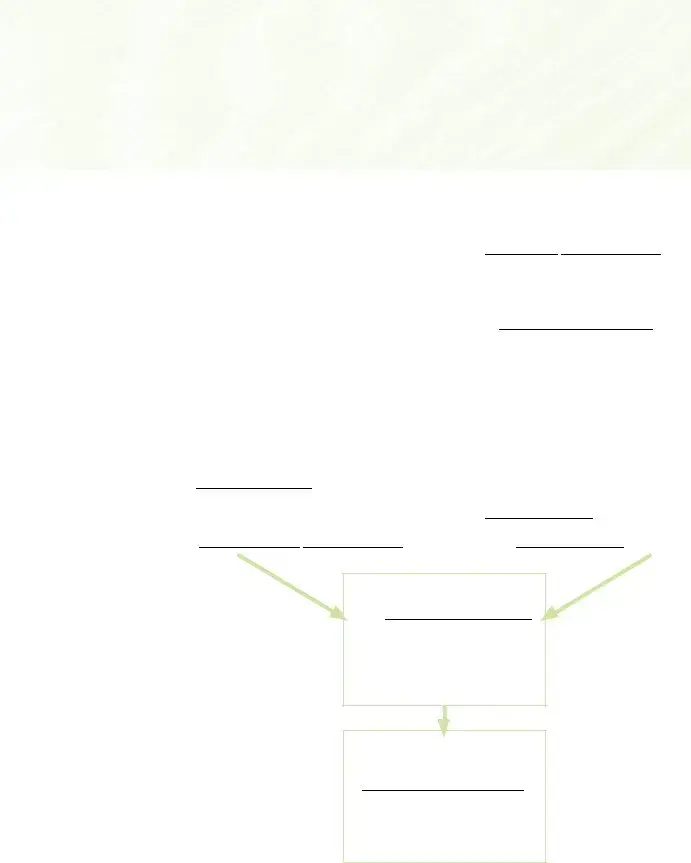
Consider the history of these two rivals.
|
Mordecai, |
|
|
Haman, |
||
a |
Jew |
from the tribe of |
|
a presumed Amalekite and descendant |
||
|
Benjamin and a descendant of |
|
of |
Agag |
, their king during |
|
|
King |
Saul |
|
|
Saul’s |
reign |
|
|
|
|
|
|
|
The disobeyed instruction:
1 Samuel
The revealed
explanation : Deuteronomy
(Referring to Ex.
56

Exodus |
LORD |
will be at war against the |
Amalekites from generation to generation.”
2. |
Meanness |
perceives a threat (2 Cor. 10:12). |
3. |
Meanness |
catches like a |
virus |
. |
•The word Agag is believed to be related to an Assyrian term (agagu)
that means “to be |
powerful |
, vehement, |
angry |
.”5 |
•The name “Haman” sounds similar to the Hebrew word for
wrath (Hebrew, heman).6 (Compare Prov.
Consider the following quote
“Surely as Christians we must recognize the ‘ |
spirit |
||
_ of |
Haman ’ not only in our world but |
|
|
within |
ourselves |
.”7 |
|
4. Meanness |
is |
curable |
(Rom. |
esther
Video sessions are available for download at www.lifeway.com/women |
57 |
|
|

esther
viewer guide y session three
The Human Dilemma of Destiny
Many of the biblical figures who fulfilled their
destinies shared some of Esther’s basic inner conflicts.
Consider the dilemma of destiny from a human perspective:
1. The |
poor |
timing |
. Reflect on Esther 4:11b. |
2. The |
unreasonable |
expectation |
. |
Scenario #4
It’s tough being a woman |
thrown |
a |
giant - size |
weight . |
|
80

3. The |
|
risky |
|
identification |
. |
|
|||
• Remember, destiny appoints |
|
one |
__ but affects __ |
__. |
|||||
|
|
|
|
|
|
|
many |
|
|
• The |
revelation |
|
of a person’s destiny always demands |
||||||
a revelation of the |
person |
|
. Consider the wording “if you |
||||||
remain silent at this time.” The Hebrew word translated silent in this |
|||||||||
verse can also be translated |
|
conceal |
. |
|
|||||
4. The |
unanswered |
question |
. |
|
|
(See verse 14.) |
|
|
|
|
|
“The sentence contains a igure of speech known as |
|||||
sudden |
breaking |
off |
of what was being said or written |
||
so that the mind is more impressed by what is |
left |
unsaid , |
|||
it being too wonderful, solemn or awful to verbalize. In English |
|||||
this igure is sometimes called the ‘sudden |
silence |
.’ ”8 |
|||
esther
Video sessions are available for download at www.lifeway.com/women |
81 |
|
|

esther
viewer guide y session four
Part One
Our protagonist made three shifts that moved her
from
1. Esther had a |
choice |
. |
|
|
|
“She [Esther] had to |
overcome |
herself |
in order to |
||
do what God had created her and positioned her to do.”9
2. Esther faced the fear .
Consider general fears, then our context’s specific fear:
• Facing any ___fear
And if ____________________________, then ___________.
[your answers here]
104
| Fact Name | Fact Description |
|---|---|
| Publication Details | The Beth Moore Esther form is published by LifeWay Press® and was released in 2008. Permission is granted for personal use, but not for sale. |
| Content Overview | The form includes a viewer guide that introduces the Book of Esther, highlighting its unique aspects, including the absence of direct references to God. |
| Character Insights | It features character sketches of key figures, Mordecai and Esther, emphasizing their backgrounds and roles within the narrative. |
| Study Purpose | The study aims to provide hope and a deeper understanding of God's providence, even in the absence of overt references to Him in the text. |
Filling out the Beth Moore Esther form is a straightforward process. This form will guide you through various aspects of the study, helping you engage with the material effectively. Follow the steps below to complete the form accurately.
What is the Beth Moore Esther form?
The Beth Moore Esther form is a resource designed to accompany the study of the Book of Esther, which is part of the Hebrew Bible. This form includes viewer guides, character sketches, and session outlines that help participants explore the themes and lessons within the text. It is published by LifeWay Press and is intended for educational and group study purposes.
Why is the Book of Esther significant?
The Book of Esther holds a unique place in the Bible. Notably, it does not mention God directly, yet it conveys a powerful message about His providence. The story illustrates how human actions can align with divine purpose, emphasizing that nothing happens by chance. This perspective offers hope and insight into the complexities of life, particularly for women navigating their roles in society.
What themes are explored in the study of Esther?
Throughout the study, several key themes emerge. One prominent theme is the struggle of women in various contexts, such as being overshadowed by others. The study also highlights the importance of human responsibility in achieving divine outcomes. Participants will reflect on their own experiences and draw parallels to the lives of Esther and Mordecai, enhancing their understanding of these timeless lessons.
How long does the study last?
The study is structured to take place over nine weeks. Each week focuses on different scenarios and character sketches, allowing participants to delve deeply into the text and its implications. This format encourages thoughtful discussion and personal reflection, making it suitable for both individual and group study.
Are there any supplementary materials available?
Yes, video sessions are available for download at www.lifeway.com/women. These videos complement the written materials and provide additional insights into the themes and characters of the Book of Esther. They can be a valuable resource for enhancing group discussions and personal study.
Can the materials be shared or sold?
The materials are intended for personal and educational use only. While permission is granted to store, print, and distribute the document for its intended purpose, distribution for sale is strictly prohibited. For any additional permissions, individuals should contact Leadership and Adult Publishing at LifeWay Press.
Incomplete Information: Many individuals fail to fill out all required fields on the form. Omitting essential details can delay processing or lead to rejection of the submission.
Incorrect Formatting: Some people do not follow the specified formatting guidelines. This includes issues like using the wrong font size or style, which can make the form difficult to read.
Failure to Review: A common mistake is not reviewing the completed form before submission. Errors in spelling or grammar may undermine the professionalism of the application.
Ignoring Instructions: Participants often overlook specific instructions provided in the form. This can include details about submission deadlines or additional documents that may be required.
When engaging with the Beth Moore Esther form, several other documents may be necessary to enhance understanding and facilitate discussions. Each of these forms serves a unique purpose, contributing to a comprehensive exploration of the themes presented in the study. Below is a list of commonly associated documents.
Utilizing these documents alongside the Beth Moore Esther form can significantly enrich the study experience. Each form plays a vital role in helping participants connect with the material, fostering both personal growth and community engagement.
The Beth Moore Esther form shares similarities with several other documents that explore biblical themes, character studies, and spiritual growth. Below is a list of six such documents, each highlighting a unique aspect that resonates with the Esther form.
These documents collectively enrich the understanding of women's roles in biblical history and the overarching themes of faith, resilience, and divine guidance.
When filling out the Beth Moore Esther form, it is essential to approach the task with care and attention to detail. Here are some guidelines to help ensure a smooth experience.
Misconceptions about the Beth Moore Esther form can lead to misunderstandings about its content and purpose. Here are eight common misconceptions:
Understanding these misconceptions can enrich one’s study of the Book of Esther and its lessons on faith, courage, and the complexities of human experience.
Here are some key takeaways about filling out and using the Beth Moore Esther form: