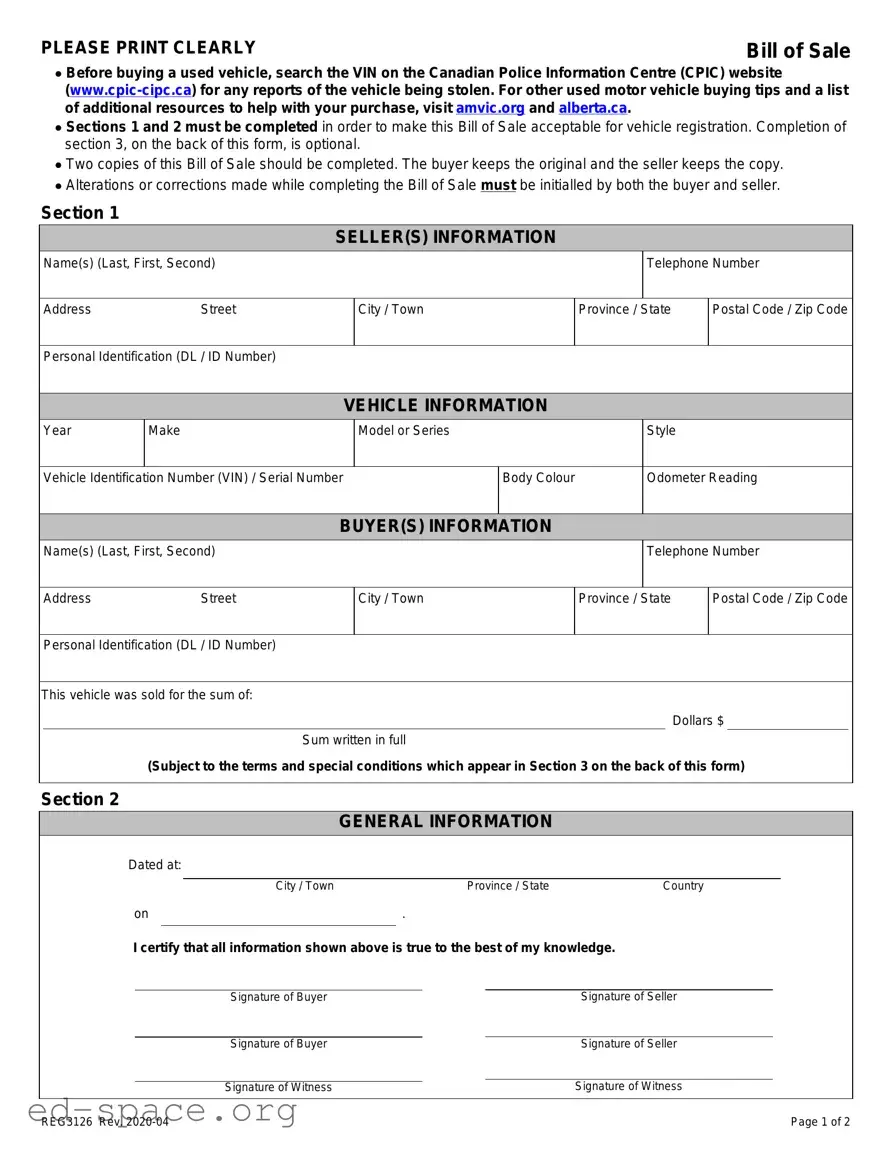
The Alberta Bill of Sale form is an essential document for anyone looking to purchase a used vehicle in Alberta. This form not only provides a record of the transaction but also ensures that both the buyer and seller have a clear understanding of the sale details. To begin with, the form requires the completion of specific sections, including the seller's and buyer's information, vehicle details, and the sale amount. Sections 1 and 2 must be filled out to facilitate vehicle registration, while Section 3, which includes special conditions of sale, is optional. It's important to note that alterations made to the form must be initialed by both parties. Additionally, buyers are encouraged to verify the vehicle's history by checking the VIN on the Canadian Police Information Centre website. This step can help avoid potential issues related to stolen vehicles. The form also emphasizes the need for insurance before registration and outlines other requirements, such as the possibility of a safety inspection for vehicles coming from outside Alberta. Keeping two copies of the completed Bill of Sale is advisable, ensuring that both the buyer and seller have their own records of the transaction. Overall, this form serves as a comprehensive guide to facilitate a smooth vehicle purchase process in Alberta.
PLEASE PRINT CLEARLY |
Bill of Sale |
●Before buying a used vehicle, search the VIN on the Canadian Police Information Centre (CPIC) website
●Sections 1 and 2 must be completed in order to make this Bill of Sale acceptable for vehicle registration. Completion of section 3, on the back of this form, is optional.
●Two copies of this Bill of Sale should be completed. The buyer keeps the original and the seller keeps the copy.
●Alterations or corrections made while completing the Bill of Sale must be initialled by both the buyer and seller.
Section 1
SELLER(S) INFORMATION
Name(s) (Last, First, Second) |
|
|
|
|
Telephone Number |
||
|
|
|
|
|
|
|
|
Address |
Street |
|
City / Town |
Province / State |
Postal Code / Zip Code |
||
|
|
|
|
|
|
|
|
Personal Identification (DL / ID Number) |
|
|
|
|
|
|
|
|
|
|
|
|
|
|
|
|
|
VEHICLE INFORMATION |
|
|
|
||
Year |
Make |
|
Model or Series |
|
Style |
|
|
|
|
|
|
|
|
|
|
Vehicle Identification Number (VIN) / Serial Number |
|
|
Body Colour |
|
Odometer Reading |
||
|
|
|
|
|
|
||
|
BUYER(S) INFORMATION |
|
|
|
|||
Name(s) (Last, First, Second) |
|
|
|
|
Telephone Number |
||
|
|
|
|
|
|
|
|
Address |
Street |
|
City / Town |
Province / State |
Postal Code / Zip Code |
||
|
|
|
|
|
|
|
|
Personal Identification (DL / ID Number) |
|
|
|
|
|
|
|
This vehicle was sold for the sum of:
Dollars $
Sum written in full
(Subject to the terms and special conditions which appear in Section 3 on the back of this form)
Section 2
GENERAL INFORMATION
Dated at:
City / Town |
Province / State |
Country |
on |
. |
|
|
|
|
I certify that all information shown above is true to the best of my knowledge.
|
Signature of Buyer |
|
|
Signature of Seller |
|
|
|
|
|
|
|
|
Signature of Buyer |
|
|
Signature of Seller |
|
|
|
|
|
|
|
|
|
|
|
Signature of Witness |
|
|
Signature of Witness |
|
|
||
REG3126 Rev. |
|
|
|
Page 1 of 2 |
|
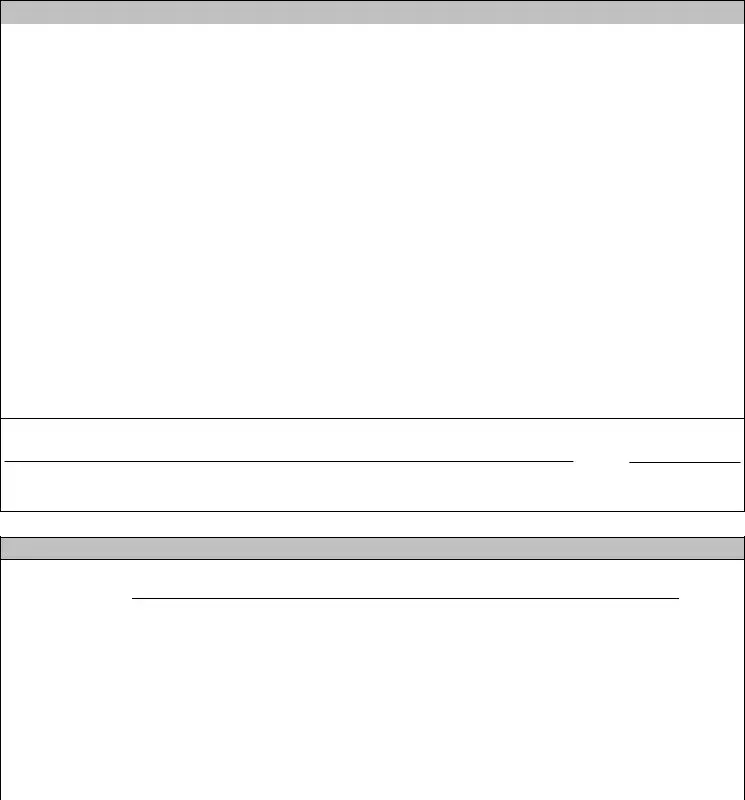
Section 3
SPECIAL CONDITIONS OF SALE
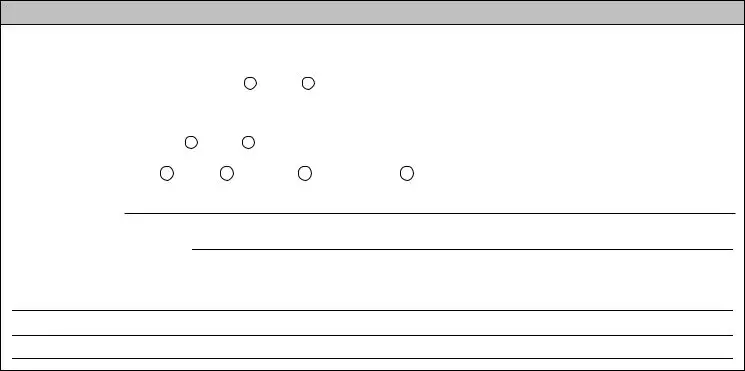
1.The vehicle described on the front of this form is:
Check the appropriate box(es)
a) Free of all liens and encumbrances: |
0 Yes |
0 No |
If No, please give names of lien holders: |
|||
|
|
|
|
|
|
|
b) Being paid for in full: |
0 Yes |
0 No |
|
|
|
|
|
Being paid by: |
0 Cash 0 Cheque |
0 Money Order 0 Other (please specify): |
|
||
2.Payment Terms:
3.Vehicle was last registered in:
Province / State |
Country |
4. Special conditions of sale (if any):
General Information:
• The Buyer should make sure that they visually inspect the vehicle identification number (VIN) for the vehicle identified in Section 1.
• The law in the Province of Alberta requires a vehicle to be insured prior to registration. Documentary proof of vehicle insurance is required. Legislation allows a person to whom a valid licence plate is issued to transfer the licence plate
to a newly purchased vehicle to be registered within 14 days of the date on their Bill of Sale.
The above does not apply to commercial vehicles used for the transportation of goods or passengers for compensation.
• A vehicle entering Alberta from another jurisdiction may require an
• In addition to the Bill of Sale, other identification is required to obtain Alberta registration. Where possible, obtain Section 2 of the previous Alberta vehicle registration certificate.
• The prospective purchaser can determine whether a vehicle is free of liens and encumbrances in Alberta by contacting a registry agent.
• In order to perform a search, a registry agent will require the VIN of the vehicle. A request for a search can be made in person or in writing. There is a fee for this service.
• Vehicle Information Reports are available from a registry agent. There is a fee for each service.
• The buyer must produce the original properly completed Bill of Sale, that includes the same information as shown on this standardized form, in order to register a vehicle in Alberta.
This form is provided as a courtesy by Service Alberta to ensure that sufficient information is contained within the Bill of Sale to permit registration of the described vehicle by the new owner.
No liability attaches to the Crown through the use of this document in respect of the sale of this vehicle. Any dispute arising from the sale becomes a civil matter among the parties named in this document.
REG3126 Rev. |
Page 2 of 2 |
| Fact Name | Details |
|---|---|
| Purpose | The Alberta Bill of Sale form is used for documenting the sale of a used vehicle in Alberta, Canada. |
| Completion Requirements | Sections 1 and 2 must be filled out completely for the form to be accepted for vehicle registration. |
| Copies | Two copies of the Bill of Sale should be completed; the buyer retains the original, while the seller keeps a copy. |
| Alterations | Any changes made to the form must be initialed by both the buyer and seller to ensure validity. |
| Insurance Requirement | Alberta law mandates that a vehicle must be insured before registration, and proof of insurance is required. |
| Governing Laws | This form is governed by the laws of the Province of Alberta, Canada. |
Filling out the Alberta Bill of Sale form is an important step in the process of purchasing a used vehicle. This document serves as proof of the transaction between the buyer and seller. Ensuring that all required sections are accurately completed will facilitate a smooth registration process for the vehicle.
What is the purpose of the Alberta Bill of Sale form?
The Alberta Bill of Sale form serves as a legal document that records the sale of a used vehicle between a buyer and a seller. It contains essential information about both parties, the vehicle being sold, and the terms of the sale. This document is crucial for registering the vehicle in the buyer's name and ensuring that all necessary details are documented. It also helps protect both parties by providing proof of the transaction.
What information is required to complete the Bill of Sale?
To complete the Bill of Sale, both the seller and buyer must provide specific information. This includes names, contact details, and addresses of both parties. Additionally, details about the vehicle, such as its year, make, model, Vehicle Identification Number (VIN), body color, and odometer reading, must be included. The sale amount should also be specified. Sections 1 and 2 of the form must be filled out entirely for the document to be valid for vehicle registration.
What should I do if there are errors or changes on the Bill of Sale?
If any alterations or corrections are necessary while completing the Bill of Sale, both the buyer and seller must initial these changes. This step is important to ensure that both parties agree to the modifications and to maintain the integrity of the document. It is advisable to double-check all information before finalizing the form to avoid potential disputes later on.
Are there any additional steps I need to take after completing the Bill of Sale?
Yes, after completing the Bill of Sale, the buyer must ensure that the vehicle is insured before registering it in Alberta. Proof of insurance is required for registration. Additionally, if the vehicle is coming from another jurisdiction, an out-of-province safety inspection may be necessary. The buyer should also keep the original Bill of Sale, while the seller retains a copy for their records. It’s a good practice to check with a registry agent for any further requirements or to verify if the vehicle is free of liens and encumbrances.
Neglecting to Complete Sections 1 and 2: Sections 1 and 2 are essential for the Bill of Sale to be valid for vehicle registration. If these sections are left incomplete, the registration process may be delayed or rejected.
Failing to Provide Accurate Vehicle Information: It's crucial to ensure that all details about the vehicle, such as the VIN, make, model, and year, are accurate. Mistakes in this information can lead to complications in registration or even legal issues later on.
Not Initialing Alterations or Corrections: If any changes are made while filling out the Bill of Sale, both the buyer and seller must initial these corrections. Failing to do so can result in disputes about what was agreed upon.
Overlooking the Need for Two Copies: Two copies of the Bill of Sale should be completed, with the buyer retaining the original and the seller keeping a copy. Forgetting this step can lead to confusion about the sale and ownership.
Ignoring the Importance of Insurance: Alberta law requires that a vehicle be insured before it can be registered. Buyers should ensure they have documentary proof of insurance ready when they go to register the vehicle.
The Alberta Bill of Sale form is a crucial document when purchasing a vehicle in Alberta. However, several other forms and documents are often required or recommended to ensure a smooth transaction and proper registration. Below is a list of these important documents.
Gathering these documents is essential for a successful vehicle purchase and registration process. Ensure all paperwork is completed accurately and retained for your records.
When filling out the Alberta Bill of Sale form, it is important to follow certain guidelines to ensure accuracy and compliance. Below is a list of recommended actions and those to avoid.
Misconceptions about the Alberta Bill of Sale form can lead to confusion for buyers and sellers alike. Here are five common misunderstandings:
Understanding these points can help ensure a smoother transaction when buying or selling a vehicle in Alberta.
When filling out and using the Alberta Bill of Sale form, it is essential to keep several key points in mind. Here are five important takeaways:
By following these guidelines, both buyers and sellers can navigate the process more smoothly and ensure compliance with Alberta's vehicle registration requirements.