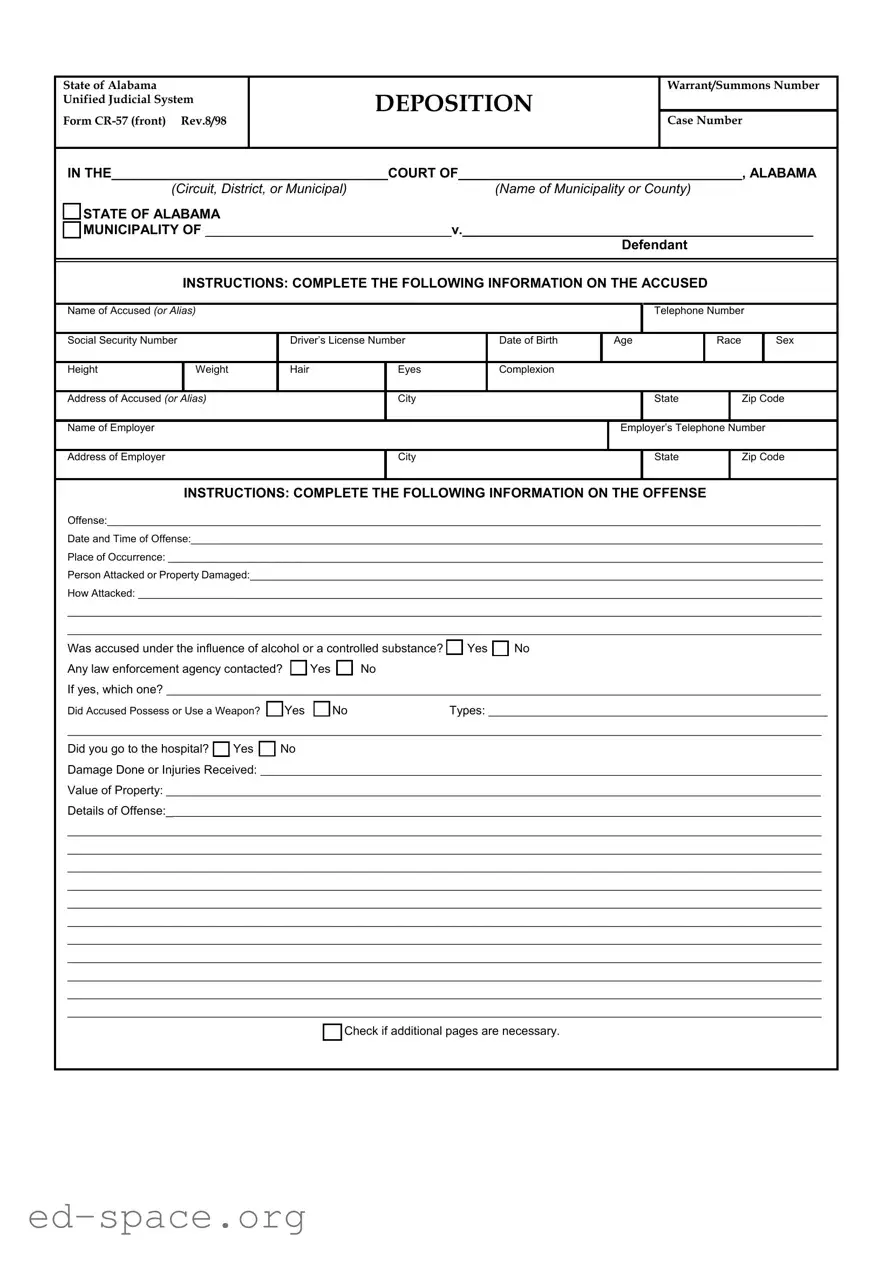
The Alabama CR-57 form is an essential document used within the state's judicial system, specifically for initiating criminal proceedings. This form plays a crucial role in the legal process, allowing individuals to formally request a warrant or summons against an accused person. It includes detailed sections that require information about both the accused and the offense in question. For the accused, essential personal details such as name, address, and physical characteristics must be provided. Likewise, the form requires comprehensive information about the alleged offense, including the nature of the crime, date and time it occurred, and any injuries or damages involved. Additionally, it prompts the complainant to indicate if law enforcement was contacted and whether a weapon was used during the incident. This thoroughness ensures that the court has a clear understanding of the situation, which is vital for the subsequent legal proceedings. By completing the CR-57 form accurately, individuals help to ensure that justice is pursued appropriately and efficiently.
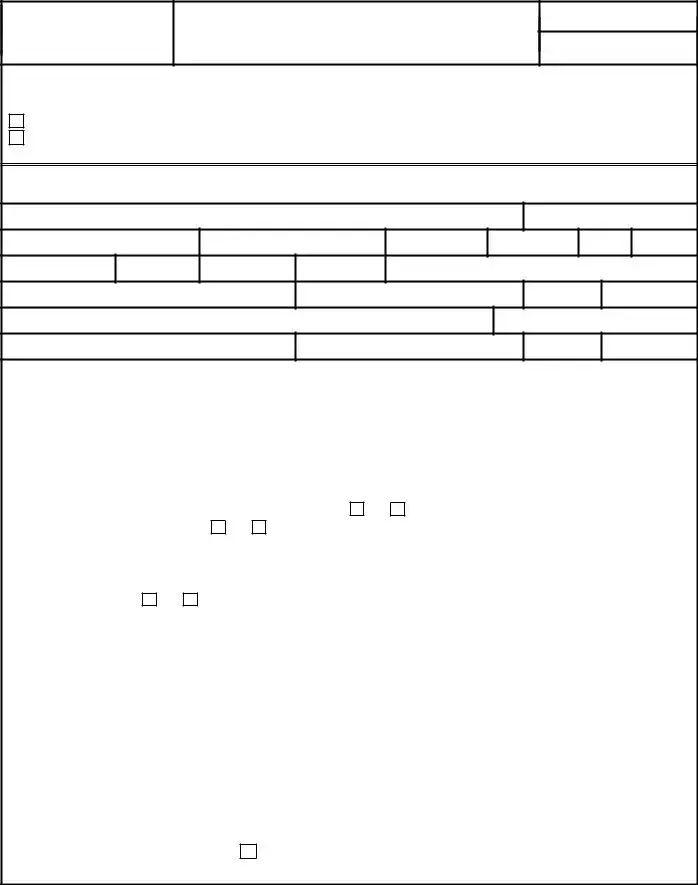
State of Alabama Unified Judicial System
Form
DEPOSITION
Warrant/Summons Number
Case Number
IN THE_____________________________________COURT OF______________________________________, ALABAMA
(Circuit, District, or Municipal)(Name of Municipality or County)
STATE OF ALABAMA
MUNICIPALITY OF _________________________________v._______________________________________________
Defendant
INSTRUCTIONS: COMPLETE THE FOLLOWING INFORMATION ON THE ACCUSED
Name of Accused (or Alias)
Telephone Number
Social Security Number
Driver’s License Number
Date of Birth
Age
Race
Sex
Height
Weight
Hair
Eyes
Complexion
Address of Accused (or Alias)
City
State
Zip Code
Name of Employer
Employer’s Telephone Number
Address of Employer
City
State
Zip Code
INSTRUCTIONS: COMPLETE THE FOLLOWING INFORMATION ON THE OFFENSE
Offense:__________________________________________________________________________________________________________________________
Date and Time of Offense:____________________________________________________________________________________________________________
Place of Occurrence: ________________________________________________________________________________________________________________
Person Attacked or Property Damaged:__________________________________________________________________________________________________
How AttacKed: _____________________________________________________________________________________________________________________
_________________________________________________________________________________________________________________________________
_________________________________________________________________________________________________________________________________
Was accused under the influence of alcohol or a controlled substance? |
Yes |
No |
||
Any law enforcement agency contacted? |
Yes |
No |
|
|
If yes, which one? ________________________________________________________________________________________________________________
Did Accused PossesS or Use a Weapon?
|
Yes |
|
No |
Types: __________________________________________________________ |
_________________________________________________________________________________________________________________________________
Did you go to the hospital? |
Yes |
No |
Damage Done or Injuries Received: ________________________________________________________________________________________________
Value of Property: ________________________________________________________________________________________________________________
Details of Offense:________________________________________________________________________________________________________________
_________________________________________________________________________________________________________________________________
_________________________________________________________________________________________________________________________________
_________________________________________________________________________________________________________________________________
_________________________________________________________________________________________________________________________________
_________________________________________________________________________________________________________________________________
_________________________________________________________________________________________________________________________________
_________________________________________________________________________________________________________________________________
_________________________________________________________________________________________________________________________________
_________________________________________________________________________________________________________________________________
_________________________________________________________________________________________________________________________________
_________________________________________________________________________________________________________________________________
Check if additional pages are necessary.
Form
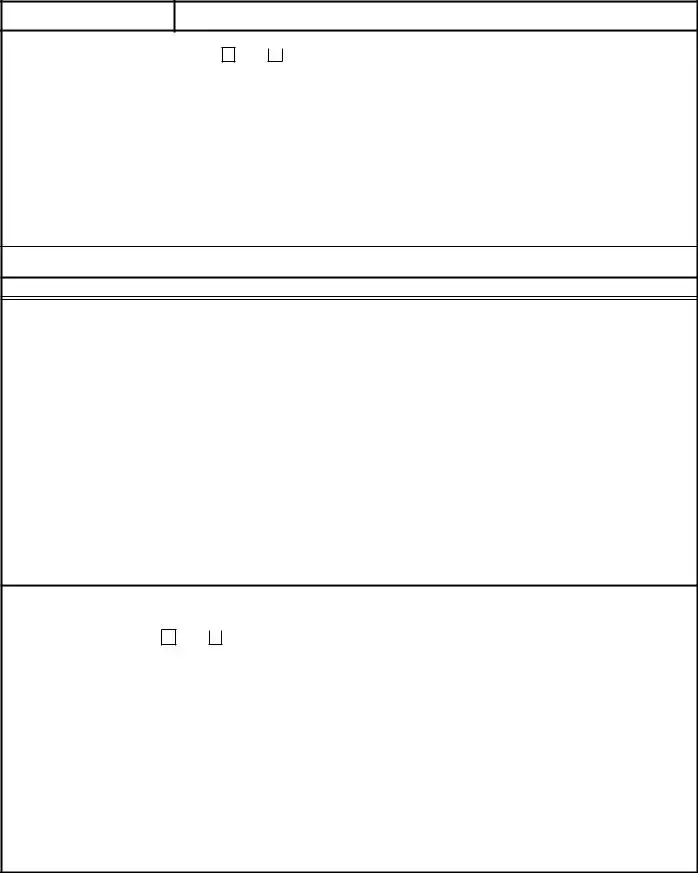
DEPOSITION
Any Law Enforcement Agency Contacted? |
Yes |
No |
If yes, which one? ________________________________________________________________________________
I make this statement for the purpose of securing a WARRANT/SUMMONS against the named of accused. I understand that I am instituting a criminal proceeding and cannot dismiss this case. I further understand that if any of the foregoing facts are untrue, I may, in addition to any other punishment provided by law, be taxed with court costs in the proceeding.
Sworn to and Subscribed before me this |
|
|
_____________________________________________________________ |
__________________________ day of |
ComplainANt |
____________________, __________. |
_____________________________________________________________ |
|
Social Security Number |
_______________________________________ |
_____________________________________________________________ |
Judge/Clerk/Magistrate |
Address |
WITNESSES
Name |
Address |
Telephone Number |
___________________________________ |
_____________________________________________ |
________________________ |
___________________________________ |
_____________________________________________ |
________________________ |
___________________________________ |
_____________________________________________ |
________________________ |
___________________________________ |
_____________________________________________ |
________________________ |
___________________________________ |
_____________________________________________ |
________________________ |
___________________________________ |
_____________________________________________ |
________________________ |
___________________________________ |
_____________________________________________ |
________________________ |
___________________________________ |
_____________________________________________ |
________________________ |
___________________________________ |
_____________________________________________ |
________________________ |
___________________________________ |
_____________________________________________ |
________________________ |
___________________________________ |
_____________________________________________ |
________________________ |
___________________________________ |
_____________________________________________ |
________________________ |
___________________________________ |
_____________________________________________ |
________________________ |
___________________________________ |
_____________________________________________ |
________________________ |
___________________________________ |
_____________________________________________ |
________________________ |
|
|
|
MAGISTRATE NOTES |
|
|
|
|
Warrant or Summons issued? |
Yes |
No |
Warrant Number: __________________________________________ |
_________________________________________________________________________________________________________________
_________________________________________________________________________________________________________________
_________________________________________________________________________________________________________________
_________________________________________________________________________________________________________________
_________________________________________________________________________________________________________________
_________________________________________________________________________________________________________________
_________________________________________________________________________________________________________________
_________________________________________________________________________________________________________________
_________________________________________________________________________________________________________________
| Fact Name | Details |
|---|---|
| Form Purpose | The Alabama CR-57 form is used to initiate a criminal proceeding by securing a warrant or summons against an accused individual. |
| Governing Law | This form operates under Alabama state law, specifically the Alabama Rules of Criminal Procedure. |
| Information Required | The form requires detailed information about the accused, including personal details, offense specifics, and any law enforcement agency contacted. |
| Witness Information | Witnesses must provide their names, addresses, and telephone numbers to support the claims made in the deposition. |
| Legal Acknowledgment | The complainant acknowledges that submitting false information may lead to penalties, including court costs. |
| Form Revision Date | The current version of the CR-57 form was revised in August 1998, indicating its long-standing use in Alabama's judicial system. |
Filling out the Alabama CR-57 form is a crucial step in initiating legal proceedings. It requires careful attention to detail to ensure all necessary information is accurately recorded. Once completed, the form will be submitted to the appropriate court, which will then take the necessary actions based on the information provided.
What is the Alabama CR-57 form?
The Alabama CR-57 form is a legal document used within the state’s judicial system to initiate a criminal proceeding. It serves as a deposition warrant or summons and is essential for formally accusing someone of a crime. The form collects detailed information about the accused, the offense, and any relevant witnesses.
Who should fill out the CR-57 form?
The CR-57 form should be filled out by a complainant, typically a person who has witnessed or been affected by a crime. This individual must provide detailed information regarding the accused and the specifics of the offense. It is important for the complainant to ensure that all information is accurate, as it will be used in legal proceedings.
What information is required on the form?
The form requires various pieces of information, including the name and contact details of the accused, the nature of the offense, the date and time it occurred, and details about any injuries or damages. Additionally, the complainant must indicate whether law enforcement was contacted and if any weapons were involved.
Is there a specific format for completing the form?
Yes, the CR-57 form must be filled out in a clear and legible manner. Each section should be completed with precise information. If additional space is needed, there is an option to check a box indicating that more pages are attached. This ensures that all relevant details are captured.
What happens after the form is submitted?
Once the CR-57 form is completed and submitted, it is reviewed by a judge, clerk, or magistrate. They will determine whether to issue a warrant or summons based on the information provided. If a warrant is issued, law enforcement will be authorized to apprehend the accused.
Can the complainant dismiss the case after filing the form?
No, the complainant cannot dismiss the case once the CR-57 form is filed. By submitting this form, the complainant initiates a legal proceeding, which must follow its course through the judicial system. This emphasizes the seriousness of the accusations being made.
What are the consequences of providing false information on the form?
Providing false information on the CR-57 form can lead to serious legal repercussions. The complainant may face penalties, including being taxed with court costs. Additionally, they could be subject to criminal charges for perjury or filing a false report, which underscores the importance of accuracy.
Do I need legal representation to fill out the CR-57 form?
While it is not mandatory to have legal representation when filling out the CR-57 form, it is advisable. A lawyer can provide guidance on how to accurately complete the form and ensure that all necessary information is included. Legal counsel can also help navigate the subsequent legal processes.
Where can I obtain the CR-57 form?
The CR-57 form can typically be obtained from local courthouses, law enforcement agencies, or online through the Alabama Unified Judicial System’s website. It is important to use the most current version of the form to ensure compliance with legal standards.
What should I do if I have questions about the form?
If you have questions about the CR-57 form or the process it initiates, consider reaching out to a legal professional or your local courthouse. They can provide clarity on how to complete the form and what to expect during the legal proceedings that follow.
Incomplete Information: Many people fail to fill out all required fields on the form. Missing details such as the name of the accused, their address, or the offense can lead to delays or rejections.
Incorrect Dates or Times: Entering the wrong date or time of the offense is a common mistake. This can create confusion and may affect the legal proceedings.
Failure to Sign: Some individuals forget to sign the form. A signature is crucial as it verifies that the information provided is accurate and that the complainant understands the implications of filing.
Not Providing Enough Details: Insufficient information about the offense can hinder the case. Describing the incident thoroughly helps law enforcement understand the situation better.
The Alabama CR-57 form is a crucial document used in criminal proceedings, particularly for initiating warrants or summonses. Several other forms and documents often accompany it, each serving a specific purpose in the legal process. Below is a list of these documents, along with a brief description of each.
Each of these documents plays a vital role in the criminal justice process in Alabama. Understanding their functions can enhance clarity and ensure that all parties involved are adequately prepared for the proceedings ahead.
The Alabama CR-57 form is a crucial document in the legal process, specifically related to criminal cases. Several other documents serve similar purposes in different contexts or jurisdictions. Here’s a look at eight documents that share similarities with the Alabama CR-57 form:
Understanding these documents can provide valuable insight into the legal process and the various ways in which allegations are formally addressed in the judicial system.
When filling out the Alabama CR-57 form, attention to detail is essential. Here are nine important dos and don’ts to consider:
By following these guidelines, individuals can help ensure that the form is processed efficiently and effectively.
Understanding the Alabama CR-57 form can be challenging, especially with the various misconceptions that surround it. Here are six common misunderstandings that people often have:
By clarifying these misconceptions, individuals can approach the CR-57 form with a better understanding of its purpose and implications. Always consider seeking guidance if you have questions or concerns about the process.
When filling out and using the Alabama CR-57 form, keep the following key takeaways in mind: