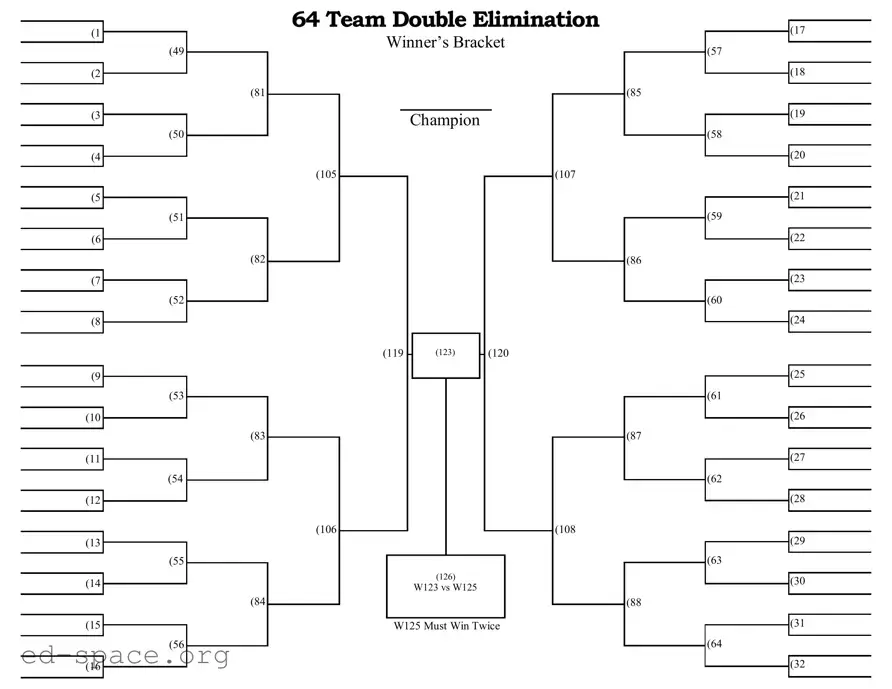
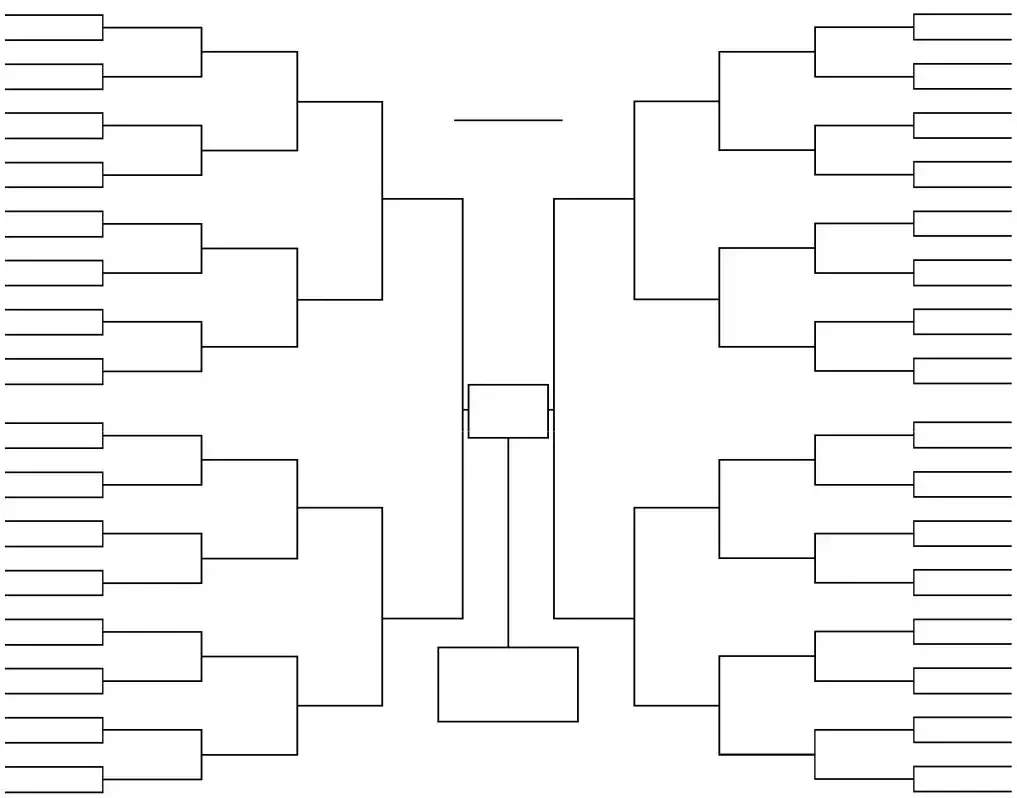
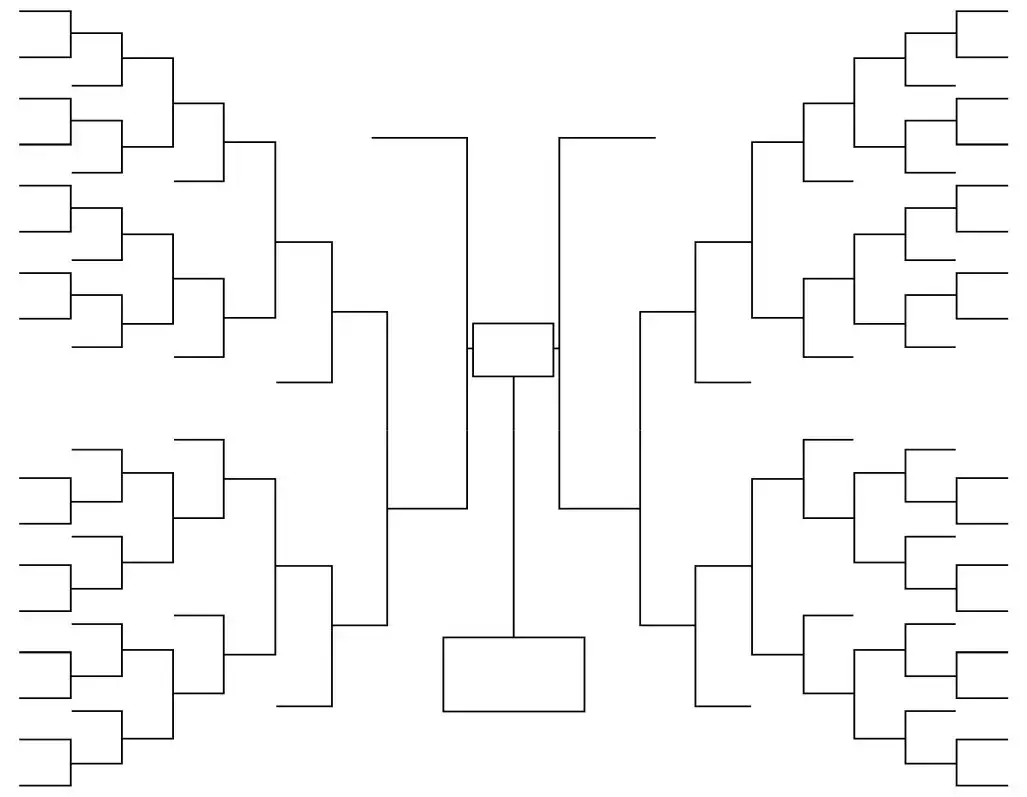
The 64 Team Double Elimination Bracket is a popular format used in various competitive sports and tournaments, allowing teams to face off in a structured manner while providing a fair chance for all participants. This format ensures that even if a team loses a match, they still have an opportunity to compete for the championship through a secondary bracket. Each match is crucial, as it determines which teams advance and which teams are eliminated. The bracket is divided into two main sections: the winners' bracket and the losers' bracket. Teams that win their initial matches continue in the winners' bracket, while those that lose drop down to the losers' bracket. This setup not only heightens the excitement of the competition but also allows for a more extensive tournament experience, as teams can play multiple games. Understanding how to navigate this bracket format is essential for organizers and participants alike, ensuring a smooth progression through the tournament and a clear path to the finals.
(1 |
64 Team Double Elimination |
(17 |
|
Winner’s Bracket |
|||
(49 |
(57 |
||
|
(2 |
|
|
|
|
RACKETS |
|
|
|
|
|
|
(18 |
|
|
(81 |
|
|
|
|
(85 |
(3 |
|
|
Champion |
|
|
(19 |
(50 |
|
|
|
|
|
(58 |
(4 |
|
|
|
|
|
(20 |
|
|
(105 |
|
|
(107 |
|
(5 |
|
|
|
|
|
(21 |
(51 |
|
|
|
|
|
(59 |
(6 |
|
|
|
|
|
(22 |
|
(82 |
|
B |
(86 |
||
(7 |
|
|
(23 |
|||
|
|
|
|
|
||
(52 |
|
|
|
|
|
(60 |
(8 |
|
OUR |
|
|
(24 |
|
(54 |
|
(120 |
|
(62 |
||
|
|
(119 |
(123) |
|
|
|
(9 |
|
|
|
|
|
(25 |
(53 |
Y |
|
|
|
(61 |
|
(10 |
|
|
|
(26 |
||
|
|
|
|
|
||
|
(83 |
|
|
|
|
(87 |
(11 |
|
|
|
|
|
(27 |
RINT(56 |
|
|
|
|
(64 |
|
(12 |
|
|
|
|
|
(28 |
(13 |
|
(106 |
|
|
(108 |
(29 |
(55 |
|
|
|
|
|
(63 |
P |
|
|
(126) |
|
|
(30 |
(14 |
|
|
W123 vs W125 |
|
|
|
|
(84 |
|
|
|
|
(88 |
(15 |
|
W125 Must Win Twice |
|
(31 |
||
|
|
|
||||
(16 |
|
|
|
|
|
(32 |
L9
(33
L10(65
Loser’s Bracket
L25
(41
(73L26
|
L49 |
|
|
|
|
|
|
|
RACKETS |
||||
|
|
|
|
|
|
|
|
|
|
|
|
L57 |
|
L11 |
|
|
(89 |
|
|
|
|
|
|
|
|
(93 |
L27 |
|
(34 |
|
|
|
|
|
|
|
|
|
|
|
(42 |
L12 |
|
(66 |
|
(97 |
|
L120 |
|
|
L119 |
|
(101 |
(74 |
L28 |
|
L50 |
|
L85 |
|
|
|
|
|
|
|
|
L81 |
L58 |
L13 |
|
|
|
|
|
|
|
|
|
|
|
|
L29 |
|
(35 |
|
|
|
|
|
|
|
|
|
|
|
(43 |
L14 |
|
(67 |
|
|
(109 |
|
|
|
|
|
(111 |
(75 |
L30 |
|
|
|
|
|
|
|
|
|
|
|
|
||
|
L51 |
|
|
|
|
|
|
|
|
|
|
|
L59 |
L15 |
|
|
(90 |
|
|
|
|
|
|
|
|
(94 |
L31 |
|
|
|
|
|
|
|
|
|
|
|
|
||
|
(36 |
|
|
|
|
|
B |
|
|
|
(44 |
||
L16 |
|
(68 |
|
(98 |
|
(113 |
(115 |
(102 |
(76 |
L32 |
|||
|
|
|
|
|
|
||||||||
|
|
|
|
|
|
|
|
||||||
|
|
|
|
|
|
|
|
|
|
|
|
||
|
L52 |
|
L86 |
|
|
(121 |
(124) |
(122 |
|
|
|
L82 |
L60 |
|
|
|
|
|
|
|
|
|
|
|
|
||
|
|
|
|
|
L105 |
|
|
|
|
|
L107 |
|
|
|
L53 |
|
L87 |
|
|
|
|
|
|
|
|
L83 |
L61 |
|
|
|
|
|
|
|
|
|
|
|
|
||
L1 |
|
(69 |
|
(99 |
Y |
|
|
|
|
(103 |
(77 |
L17 |
|
|
(37 |
|
|
|
|
|
(118 |
|
|
|
(45 |
||
|
|
|
|
|
(117 |
|
|
|
|
|
|||
|
|
|
(91 |
|
|
|
|
|
|
(95 |
|
||
L2 |
|
|
|
|
OUR |
|
|
|
|
L18 |
|||
|
|
|
|
|
|
|
|
|
|
||||
|
L54 |
|
|
|
|
|
|
|
|
|
L62 |
||
|
RINT |
|
|
|
|
|
|
||||||
L3 |
|
(70 |
|
|
(110 |
|
|
|
(112 |
(78 |
L19 |
||
|
(38 |
|
|
|
|
|
|
|
|
|
|
|
(46 |
L4 |
|
|
L88 |
|
|
|
|
|
|
|
|
L84 |
L20 |
|
L55 |
|
|
|
|
(114 |
|
|
|
(116 |
|
|
L63 |
L5 |
|
(71 |
|
(100 |
|
|
|
|
|
|
(104 |
(79 |
L21 |
P |
|
|
|
|
(125) |
|
|
|
|
|
(47 |
||
|
(39 |
|
|
|
|
|
W124 vs L123 |
|
|
|
|
|
|
|
|
|
(92 |
|
|
|
|
|
|
|
(96 |
|
|
L6 |
|
|
|
L106 |
|
|
|
|
|
L108 |
L22 |
||
|
L56 |
|
|
|
|
|
|
|
|
|
L64 |
||
|
|
|
|
|
Loser’s Bracket Final |
|
|
|
|
||||
L7 |
|
(72 |
|
|
|
|
|
|
(80 |
L23 |
|||
|
|
|
|
|
|
|
|
|
|
||||
|
|
|
|
|
|
|
|
|
|
|
|||
|
(40 |
|
|
|
|
PrintYourBrackets.com |
|
|
|
(48 |
|||
L8 |
|
|
|
|
|
|
|
|
L24 |
||||
|
|
|
|
|
|
|
|
|
|
|
|
||
| Fact Name | Description |
|---|---|
| Structure | A 64 team double elimination bracket allows each team to lose twice before being eliminated from the tournament. |
| Rounds | The tournament consists of multiple rounds, including a winners' bracket and a losers' bracket, to ensure fair play. |
| Advancement | Teams that lose in the winners' bracket drop down to the losers' bracket, providing them with a second chance to compete. |
| Finals | The final match often includes the last remaining team from the winners' bracket and the last team standing in the losers' bracket. |
| State-Specific Forms | Different states may have specific regulations governing tournaments, often requiring adherence to local laws regarding competition. |
| Popularity | This format is popular in sports like baseball and esports, as it allows for more games and excitement for fans. |
Filling out the 64 Team Double Elimination Bracket form requires careful attention to detail. Each step ensures that the tournament progresses smoothly, allowing for an organized display of matchups and results. Once the form is completed, it can be utilized to track the tournament's progress and outcomes effectively.
What is a 64 Team Double Elimination Bracket?
A 64 Team Double Elimination Bracket is a tournament format that allows teams to compete in a series of matches, where a team is not eliminated until it loses two matches. This structure ensures that every team has a fair chance to compete, as they can still continue in the tournament even after one loss. The bracket is designed to accommodate 64 teams, typically organized in a single-elimination format until the final rounds.
How does the double elimination format work?
In a double elimination tournament, teams are placed in a bracket where they compete in matches. If a team loses a match, they move to the "loser's bracket." A team is only eliminated from the tournament after losing two matches. This format allows teams that may have had an off day to still have a chance to win the tournament, creating more excitement and opportunities for competition.
How do I fill out the bracket form?
Filling out the bracket form involves listing all 64 teams in the designated slots. Start by entering the names of the teams in the first round of the bracket. Ensure that you follow the correct order, as this will determine the matchups. After each round, update the bracket with the winning teams until a champion is determined. It's important to keep track of each team's losses to manage their placement in the loser's bracket.
Can I customize the bracket for my specific needs?
Yes, many 64 Team Double Elimination Bracket forms can be customized to fit your specific tournament requirements. You might want to adjust the match times, add team logos, or include additional information such as venue details. Always check if the form you are using allows for these changes, as some formats may have restrictions.
What happens if a team does not show up for their match?
If a team fails to show up for a scheduled match, they may be marked as a loss. Depending on the tournament rules, the opposing team could automatically advance to the next round. It is essential to communicate with all teams prior to the tournament to ensure everyone understands the importance of attendance and the consequences of missing a match.
Where can I find a template for the 64 Team Double Elimination Bracket?
Templates for the 64 Team Double Elimination Bracket can be found online through various sports and tournament planning websites. Many sites offer free downloadable templates in formats such as PDF or Excel. Additionally, you can create your own bracket using spreadsheet software, which allows for easy customization and updating as the tournament progresses.
Incorrectly Seeding Teams: One common mistake is not properly seeding the teams based on their performance or rankings. This can lead to mismatches in early rounds and affect the overall fairness of the tournament.
Failing to Understand the Double Elimination Format: Many people fill out the bracket without fully grasping how a double elimination tournament works. In this format, a team must lose two matches to be eliminated, which can complicate the progression of teams through the bracket.
Neglecting to Fill Out the Losers' Bracket: Some individuals focus solely on the winners' bracket and forget to include the losers' bracket. Every team that loses a match has a chance to continue competing, and omitting this part can lead to confusion.
Not Keeping Track of Match Results: After each match, it’s essential to update the bracket promptly. Failing to do so can result in incorrect matchups and a chaotic tournament flow.
Overlooking Tiebreaker Rules: Many brackets have specific rules for tiebreakers, but these can be easily overlooked. Understanding how to break ties is crucial for determining which teams advance in the event of equal records.
Ignoring Team Names and Numbers: Some people might forget to clearly label teams with their names or numbers. This can create confusion during the tournament, especially when referring back to the bracket.
The 64 Team Double Elimination Bracket form is a crucial document for organizing and managing tournaments. However, several other forms and documents complement this bracket to ensure smooth operations and clear communication among participants, organizers, and officials. Below is a list of commonly used forms that can enhance the tournament experience.
Using these forms in conjunction with the 64 Team Double Elimination Bracket will streamline the tournament process and ensure a fair and organized event. Proper documentation is key to a successful tournament experience for all involved.
The 64 Team Double Elimination Bracket form is a popular tool used in sports and competitions to organize and track the progress of teams. Its structure can be compared to several other documents that serve similar purposes. Here are nine documents that share similarities with the 64 Team Double Elimination Bracket form:
Each of these documents serves a unique function but shares the core purpose of organizing competition and tracking progress, just like the 64 Team Double Elimination Bracket form.
When filling out the 64 Team Double Elimination Bracket form, it is important to follow certain guidelines to ensure accuracy and clarity. Below are some recommended actions and common mistakes to avoid.
The 64 Team Double Elimination Bracket is a popular format for tournaments, but several misconceptions often arise around it. Understanding these misconceptions can help participants and organizers alike navigate the tournament structure more effectively. Here are five common misunderstandings:
This is true, but it can be misleading. In a double elimination format, a team must lose two matches to be eliminated from the tournament. Until then, they remain in the competition, giving them a chance to come back and win the tournament.
While the initial bracket may appear symmetrical, the structure can change as teams are eliminated. The matchups in the losers' bracket may not always mirror those in the winners' bracket, creating a dynamic and sometimes unpredictable flow.
This is partially true. The final match typically features the winner of the winners' bracket and the winner of the losers' bracket. However, if the team from the losers' bracket wins, a second match may be required to determine the champion.
While every match contributes to the overall tournament outcome, the matches in the winners' bracket are crucial for maintaining a team's position without the risk of elimination. Conversely, matches in the losers' bracket become must-win situations for those teams.
This is a fundamental misunderstanding of the double elimination format. A team that loses its first match drops into the losers' bracket, where they still have the opportunity to compete for the championship. They must win all subsequent matches to stay in the tournament.
By dispelling these misconceptions, participants can approach the 64 Team Double Elimination Bracket with a clearer understanding of how it operates, leading to a more enjoyable and competitive experience.
Filling out and using a 64 Team Double Elimination Bracket can seem daunting at first, but it’s a straightforward process once you understand the basics. Here are some key takeaways to keep in mind:
By keeping these points in mind, you can effectively manage a 64 Team Double Elimination Bracket, ensuring a fair and enjoyable tournament for all participants.